Are Heat Pumps Hard to Maintain? A Simple Homeowner Guide
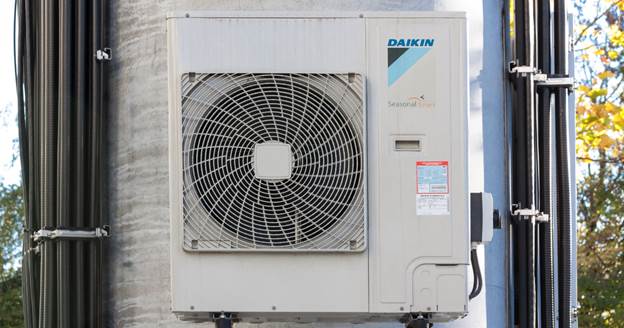
Are heat pumps hard to maintain? Discover the real upkeep they need, what you can do yourself, and when to call a pro to avoid costly repairs.
Heating and cooling can account for more than 40% of a home’s energy use, so when a system starts acting up, the cost shows up quickly on the power bill.
That is one reason heat pumps get so much attention.
They are efficient, but many homeowners still wonder whether the upkeep will become a headache.
If you are asking are heat pumps hard to maintain, you need to know that they usually are not.
In most homes, the work comes down to a few basic monthly checks and one professional service visit each year.
If your property also uses solar hot water equipment, related jobs such as solar tank repairs can sometimes overlap with heating maintenance, especially when systems share plumbing or hot water components.
Heat Pumps are not “set and forget”
For most households, a heat pump is not hard to maintain.
It does need regular care, but the workload is usually simple:
- clean or replace filters
- keep the outdoor unit clear
- watch for weak airflow or odd noises
- book a professional service once a year
That is why the better answer to are heat pumps hard to maintain is that they are low-maintenance, not no-maintenance.
The U.S. Department of Energy says a well-maintained heat pump can use 10% to 25% less energy than a neglected one.
That is a big gap for something that often takes only a few minutes of attention each month.
What maintenance does a heat pump need?
A lot of the worry about heat pump maintenance stems from not knowing what the work entails.
1) Filter care
This is the job that matters most.
Dirty filters block airflow, make the system work harder, and can push up energy bills.
Depending on the system and home conditions, it is safer to change or clean filters every 30 to 90 days.
Homes with pets, dust, or allergies may need more frequent filter changes.
2) Outdoor unit cleaning
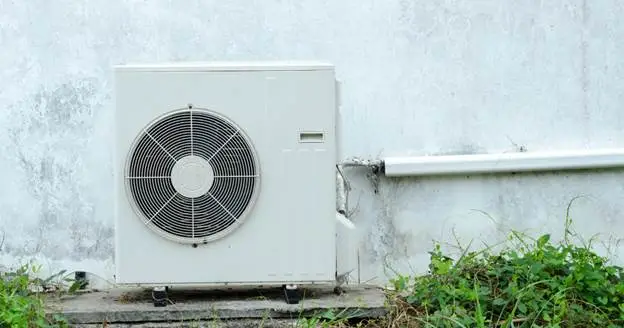
Leaves, weeds, dirt, and grass around the outdoor unit can reduce airflow and hurt performance.
Keeping at least 18 inches to 2 feet of space around the unit helps it breathe properly.
A gentle rinse of the outdoor coils when they look dirty is also part of normal upkeep.
3) Basic airflow checks indoors
Make sure supply vents and return vents are open and not blocked by furniture, curtains, or storage boxes.
Restricted airflow can make the heat pump strain longer than it should.
4) Thermostat habits
Heat pumps work best when they hold a steady temperature.
The Department of Energy warns that large thermostat setbacks can trigger backup electric heat, which is usually much more expensive to run.
So when people ask are heat pumps hard to maintain, the answer is that most of the work is ordinary home care rather than technical repair.
What you can do yourself and what needs a pro
One reason heat pumps feel intimidating is that people assume every maintenance task needs a technician.
It does not.
You can handle these:
- clean or replace filters
- clear leaves and debris from the outdoor unit
- rinse the outside coils gently when dirty
- check that vents are open and airflow is not blocked
- keep thermostat settings steady
A professional should handle these:
- refrigerant checks
- electrical terminal inspection
- testing airflow and charge levels
- inspecting blower components and coils
- checking for leaks, worn belts, and control issues
A maintenance checklist by ENERGYSTAR specifically recommends a professional service visit at least once a year.
During that visit, the technician may inspect ducts, filters, blower parts, indoor coils, refrigerant charge, and electrical controls.
How often is heat pump maintenance needed
People hear “maintenance” and picture constant servicing.
Practically, the schedule is easy.
Monthly or every 1–3 months
- check the filter
- look at the outdoor unit
- make sure airflow is not blocked
At the start of each heating or cooling season
- inspect the outdoor unit for buildup
- test thermostat settings
- watch for weak heating or cooling
Once a year
- book a professional tune-up
Some brands and HVAC providers suggest twice-yearly servicing because a heat pump handles both heating and cooling.
Even so, the average homeowner workload is still light compared with the stress people imagine.
That is why the fear that heat pumps are hard to maintain is often wrong.
The better question is whether you are willing to spend a few minutes every month on simple upkeep.
For most people, that answer is yes.
What happens if you skip maintenance
This is where heat pumps can become expensive.
Neglect does not always cause an instant breakdown.
More often, it creates small problems that build over time:
- dirty filters reduce airflow
- blocked coils make the unit work harder
- strain on motors and compressors increases wear
- energy bills climb before you even notice a comfort problem
Small tasks can prevent bigger headaches.
If those smaller warning signs are ignored, you may end up needing a heat pump repair service call sooner than expected.
In homes with linked hot water systems, delays can also spill over into hot water repairs or even urgent same day hot water repairs when comfort drops all at once.
Are heat pumps easier to maintain than other systems?
In many homes, yes.
A heat pump combines heating and cooling in one system.
That means you are not maintaining a separate furnace and air conditioner.
The trade-off is that the heat pump works year-round, so it needs steady attention instead of being forgotten for half the year.
Compared with other home systems:
- Heat pumps vs AC + furnace: fewer separate systems to manage, but the unit runs more often.
- Heat pumps vs standard water heaters: heat pumps have more airflow and refrigerant components, but they can also deliver much better efficiency.
- Heat pumps vs solar hot water setups: solar systems may involve tanks, collectors, and plumbing checks, which is a different type of maintenance altogether.
So if you are still wondering are heat pumps hard to maintain, it helps to think of them as a regular HVAC system with a slightly more consistent care schedule, not as a high-maintenance specialty machine.
When to call a professional
Even a well-maintained system can develop faults.
Call a technician if you notice:
- weak heating or cooling
- strange noises or vibration
- ice buildup that does not clear properly
- rising energy bills without a clear reason
- frequent cycling on and off
- water leaks around the unit
At that point, searching for the best plumber near me may help if your home’s heating setup is tied to plumbing or hot water equipment, but for the heat pump itself, a qualified HVAC technician is usually the better first call.
Conclusion
So, are heat pumps hard to maintain?
No.
For most homeowners, they are one of the easier heating and cooling systems to live with as long as you stay on top of the basics.
Filter care, a clear outdoor unit, steady thermostat settings, and a yearly service visit do most of the heavy lifting.
The bigger risk is not that heat pumps are difficult.
It is that they seem so efficient and quiet that people forget they still need attention.
A little routine care can lower energy use, reduce surprise breakdowns, and help you avoid bigger repair bills later.