Does Battery Replacement Improve Performance in Cars?

Does battery replacement improve performance in cars? Learn when a new battery helps, when it doesn’t, and how it affects starting, electronics, and reliability.
Replacing a car battery can have several benefits for your vehicle.
A new battery can improve starting performance and increase the reliability of your car’s electrical systems.
This can lead to better fuel efficiency, longer service life for the alternator and starter, and a smoother overall driving experience.
Current reports indicate that most car batteries last 3 to 5 years before their performance begins to decline.
As batteries age, they lose their ability to deliver consistent power, leading to hard starts, electrical problems, and unexpected breakdowns.
If you’ve noticed your vehicle struggling to start or your lights becoming dimmer, you may wonder does battery replacement improve performance?
Many drivers contact a 24 hour mobile mechanic when these symptoms appear because battery issues often show up without warning.
A battery replacement can improve certain aspects of vehicle performance, but it will not magically increase horsepower or make an aging engine run like new.
Quick Answer
It depends on what you mean by “performance.”
When people search for “does battery replacement improve performance in cars,” they are often referring to one of these situations:
- The vehicle starts slowly.
- Electronics are acting strangely.
- Warning lights appear on the dashboard.
- The engine struggles during startup.
- The car feels less reliable than before.
A new battery can solve many of these problems if the battery is the root cause.
Modern vehicles rely heavily on electronics.
The battery powers the starter motor and supports the vehicle’s electrical system.
If the battery becomes weak, many systems may not receive the voltage they need to operate properly.
What Does a Car Battery Do?
Many drivers assume the battery only starts the engine.
In reality, the battery helps power:
- Engine control modules
- Sensors
- Dashboard electronics
- Navigation systems
- Security systems
- Power windows
- Interior and exterior lighting
Once the engine is running, the alternator takes over much of the electrical load while also recharging the battery.
If the battery is weak, however, the entire system can become less stable.
This is why electrical issues often appear before complete battery failure.
How a New Battery Can Improve Vehicle Performance
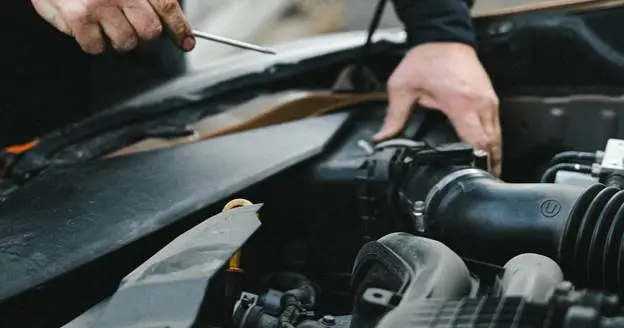
A battery replacement may improve performance in several noticeable ways.
1. Faster and More Reliable Starts
One of the most obvious benefits is quicker engine starting.
A weak battery struggles to provide enough power to the starter motor.
This can result in slow cranking or repeated attempts to start the vehicle.
A fresh battery restores proper starting power, especially during cold weather.
2. Better Electrical System Operation
Modern vehicles depend on a stable voltage.
When the voltage drops, you may notice:
- Flickering lights
- Slow power windows
- Dashboard warning lights
- Radio resets
- Sensor errors
Replacing a failing battery often eliminates these symptoms immediately.
3. Improved Reliability
Drivers frequently ask whether replacing the battery improves car performance to avoid breakdowns.
A new battery significantly reduces the chances of getting stranded due to a no-start condition.
Vehicle batteries should be tested regularly after the three-year mark, as performance can decline significantly with age and environmental conditions.
What a New Battery Will Not Improve
This is where many drivers become disappointed.
If you’re expecting dramatic gains in acceleration or fuel economy, a battery replacement is unlikely to provide them.
A new battery will not fix:
- Engine wear
- Transmission problems
- Fuel system issues
- Spark plug failures
- alternator repair needs
- belt replacement issues
For example, if your alternator is failing, installing a new battery may only provide temporary relief before the same symptoms return.
That is why many technicians test both the battery and the charging system together.
Signs Your Battery May Be Causing Performance Problems
Watch for these warning signs:
Common Symptoms
- Slow engine cranking
- Dim headlights
- Battery warning light
- Frequent jump starts
- Clicking sounds during startup
- Electrical glitches
- Battery older than 3 years
If you notice these symptoms, searching for “Battery replacement near me” can help you arrange testing before a complete failure.
Battery vs Alternator: Knowing the Difference
Many people replace batteries when the real problem is the alternator.
Here’s a simple comparison:
| Battery Problem | Alternator Problem |
| Slow starts | Battery warning light stays on |
| Needs jump starts | Battery repeatedly dies |
| Weak electrical power before startup | Electrical issues while driving |
| Old battery age | Charging system failure |
If your vehicle keeps draining batteries, you may need alternator repair instead of another battery.
A professional inspection can quickly determine which component is responsible.
When Should You Replace Your Battery?
Most experts recommend replacement when:
- The battery fails a load test.
- Battery age reaches 3-5 years.
- Repeated starting issues occur.
- Visible corrosion or swelling appears.
Industry data shows that many automotive batteries begin showing noticeable degradation after the three-year mark.
Drivers in colder climates, such as those seeking battery replacement Edmonton services, often replace batteries proactively before winter, as winter places additional stress on the electrical system.
Professional Battery Replacement Options
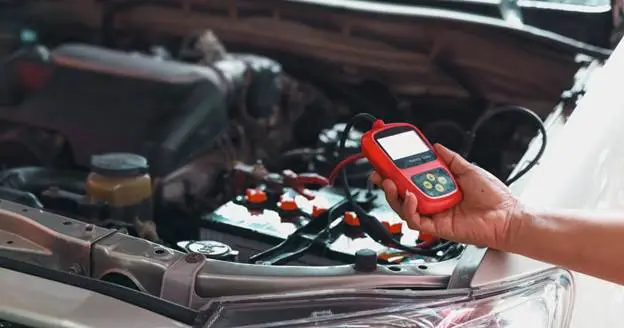
Convenience has changed how many drivers handle battery problems.
Instead of towing a vehicle to a shop, many people search for:
- mobile mechanic near me
- mobile mechanic Edmonton
- mobile mechanic open now
- 24 hour mobile mechanic
- auto repair near me
Mobile services can test the battery, inspect the charging system, and install a replacement at your location.
This approach is especially helpful when a dead battery leaves the vehicle unable to start.
Conclusion
So, does battery replacement improve performance in cars?
In many cases, yes, but only in the areas directly affected by battery health.
A new battery can restore faster starts, improve electrical system stability, eliminate voltage-related issues, and increase overall reliability.
However, it will not add horsepower or solve unrelated mechanical problems.
If your vehicle has been showing signs of electrical weakness, testing the battery is one of the smartest and most affordable diagnostic steps you can take.
When battery health is the issue, replacing it can make your vehicle feel dependable again and help prevent costly roadside breakdowns.