Lifestyle

Will nail salons put on press ons? Learn what salons offer, how long press-ons last, costs, and when salon application makes sense.

Have you ever bought a cute set of press-on nails and then stopped for a second thinking, “Wait… will nail salons put on press ons for me?”

You are definitely not the only one asking that.

A lot of people love press-ons because they are fast, affordable, and come in styles that look just as good as salon acrylics.

But applying them neatly at home? That can be another story entirely.

Maybe one nail always pops off after a day. Maybe the glue gets messy.

Or maybe your non-dominant hand turns the whole thing into a mini disaster.

That is why more people now walk into a nail salon and ask for help applying press-ons professionally.

Some salons are happy to do it, while others prefer working only with their own products.

If you were already searching for a pedicure near me or looking into beauty services nearby, you may have noticed press-on nail services popping up more often, too.

The trend has grown quickly because people want salon-quality nails without spending acrylic-level money every few weeks.

Yes, Many Nail Salons Will Put on Press Ons

The short answer is yes. Many nail salons will put on press ons for you.

But there is a catch: not every salon offers the service.

Some salons welcome outside nail products, while others only use products they sell in-house. It usually depends on:

  • The salon’s policy
  • The nail technician’s experience
  • The type of press-ons you bring
  • How much time the service takes

If you call ahead, you can avoid awkward surprises when you arrive.

Many salons have started offering press-on nail applications because customers want faster, cheaper nail options.

According to beauty trend reports from Nailpro and Allure, press-on nails have made a huge comeback over the last few years because they are reusable and easier on the wallet.

Why People Ask Salons to Apply Press Ons

Honestly, putting on press-ons looks easier online than it feels in real life.

One slightly crooked nail can ruin the whole set. I once rushed through mine before an event, and by dinner, one nail was hanging on for dear life. Lesson learned.

When a salon applies press-ons, you usually get:

  • Better nail prep
  • Cleaner cuticle work
  • Stronger glue application
  • Better sizing
  • Longer wear time

That prep work matters more than most people think.

If your nails still have oil, lotion, or old polish residue, press-ons can pop off quickly.

What Happens During a Press-On Appointment?

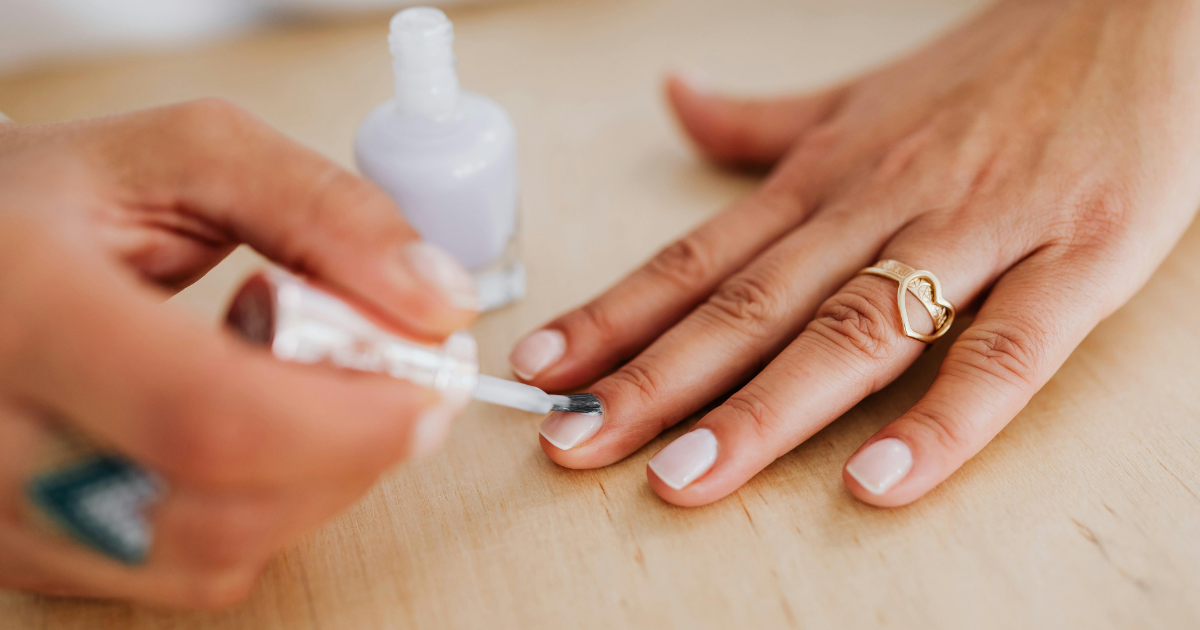
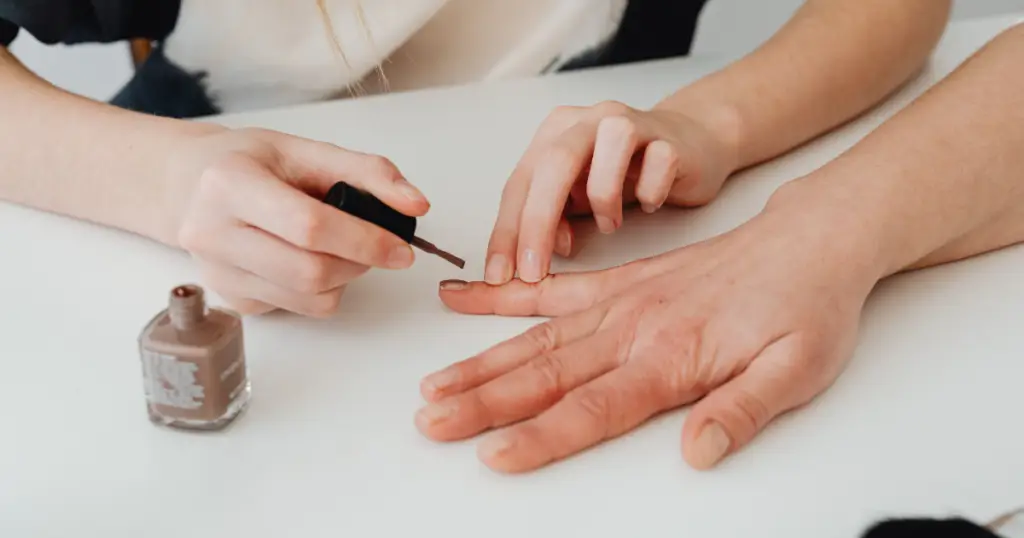
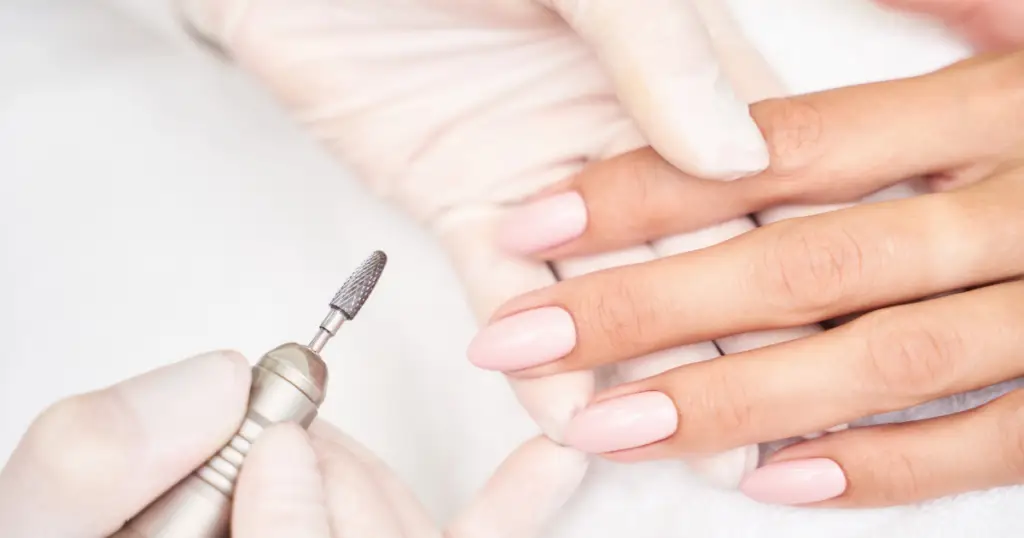
Will nail salons put on press ons

The process is usually pretty quick compared to acrylics or gel nails.

Here is what most nail salons do:

1. Nail Cleaning

Your natural nails get cleaned and shaped.

The technician may:

  • Trim your nails
  • Push back cuticles
  • Buff the nail surface lightly
  • Remove oils with alcohol or acetone

2. Nail Sizing

Each press-on gets matched to your nail size.

Good sizing matters because nails that are too big or too small can lift early.

3. Glue or Adhesive Application

Most salons use:

  • Nail glue
  • Adhesive tabs
  • Sometimes both together

Glue usually lasts longer than sticky tabs.

4. Final Shaping

Some technicians may:

  • File the edges
  • Adjust the shape
  • Add top coat for shine
  • Blend the press-ons so they look more natural

A good application can honestly make press-ons look almost identical to salon acrylics.

How Long Do Salon-Applied Press Ons Last?

This depends on:

  • Nail prep
  • Your daily activities
  • The quality of the press-ons
  • The glue used

Most salon-applied press-ons last:

  • 5 to 14 days on average

Some people get even longer wear if they are careful.

If you wash dishes often, type heavily, or work with your hands, they may loosen faster.

According to the American Academy of Dermatology Association, repeated moisture and trauma can weaken nail adhesion and affect artificial nail wear time.

How Much Does It Cost?

Prices vary depending on the salon and location.

Most salons charge:

  • $10 to $40 for application only

You usually pay more if:

  • The salon provides the press-ons
  • You want nail art
  • The set needs shaping or customization

Compared to acrylics, press-ons are usually cheaper.

That is one reason people searching for “nails near me” or “dip nails near me” sometimes switch to press-ons instead.

Will Salons Use the Press Ons You Bring?

Sometimes yes, sometimes no.

Many salons are fine with customer-supplied press-ons if:

  • The package is unopened
  • The nails are good quality
  • The set looks hygienic

Some salons refuse outside products because:

  • They cannot guarantee quality
  • They worry about infection control
  • Cheap press-ons may not last well

Calling ahead saves time.

Even places like Element Nail Bar locations may have different rules depending on the branch and technician.

Are Press Ons Better Than Acrylics?

That depends on what you want.

Here is a quick comparison:

Press OnsAcrylics
Faster applicationLonger appointment
Lower costHigher cost
Easier removalHarder removal
Reusable sometimesUsually not reusable
Less nail drillingMore filing and prep

Press-ons work great if you:

  • Like changing styles often
  • Want nails for a short event
  • Need a budget-friendly option
  • Want less damage to natural nails

Acrylics may work better if you:

  • Want very long wear
  • Use your hands heavily
  • Prefer thicker nails

Can Press-Ons Damage Your Nails?

They can if they are removed the wrong way.

The biggest mistake people make is ripping them off.

That can peel layers from your natural nail.

Safe removal usually involves:

  • Warm soapy water
  • Cuticle oil
  • Acetone soak
  • Gentle lifting

The Mayo Clinic recommends gentle nail care practices to help prevent nail thinning and breakage.

A good salon should never forcefully pry your press-ons off.

Tips Before Going to a Nail Salon for Press-Ons

Will nail salons put on press ons

Before your appointment:

Bring Quality Nails

Cheap sets sometimes:

  • Crack easily
  • Fit poorly
  • Lose shine fast

Call First

Ask:

  • “Do you apply press-on nails?”
  • “Can I bring my own set?”
  • “How much do you charge?”

Avoid Lotion Before Appointment

Oily nails make glue weaker.

Bring Extra Nails

Sometimes sizing issues happen.

Having extras helps the technician properly match your nails.

Red Flags to Watch For

Not every salon handles press-ons properly.

Be careful if:

  • Tools look dirty
  • The technician skips nail prep
  • Nails are glued over damaged nails
  • You feel pain during application

The U.S. Food and Drug Administration also advises consumers to pay attention to salon hygiene and nail product safety.

Clean tools and proper prep matter just as much as pretty nails.

Are Press Ons Worth Getting Done at a Salon?

For many people, yes.

If you struggle with:

  • Crooked application
  • Nails popping off quickly
  • Glue messes
  • Uneven sizing

A salon can make the whole set look much cleaner and last longer.

It is especially worth it before:

  • Weddings
  • Vacations
  • Birthdays
  • Photoshoots
  • Special events

You still save money compared to many full acrylic sets, but your nails look more polished than a rushed at-home job.

Conclusion

So, will nail salons put on press ons? In many cases, yes. More salons now offer the service because press-ons have become incredibly popular again.

The main thing is finding a salon that allows outside nail products and knows how to apply them properly.

A skilled technician can make press-ons look natural, neat, and long-lasting.

If you are tired of crooked nails or glue disasters at home, having a salon apply your press-ons can honestly save you stress.

And if you are already searching for a nail salon near me or checking out beauty spots nearby, it never hurts to ask whether they offer press-on application too.

Lifestyle

Learn how to dip nails at home with easy steps, prep tips, safety advice, and ways to make your manicure last longer without salon mistakes.

A few years ago, doing dip nails at home sounded like something only nail techs could pull off.

Now?

Plenty of people are skipping expensive salon visits and learning the process themselves.

According to the American Academy of Dermatology, nail care habits and harsh nail products can affect nail health over time, which is why proper application matters so much.

You do not need a beauty license to get neat, long-lasting nails, but you do need patience and the right steps.

Learning how to dip nails at home can save you money, cut down salon appointments, and give you more control over your nail health.

If you normally search for nails near me before every event or weekend outing, doing dip nails yourself can become a handy skill to keep in your back pocket.

And once you understand the basics, you can get salon-looking nails right from your kitchen table.

What Are Dip Nails?

Dip nails are a manicure method that uses:

  • A bonding liquid
  • Colored powder
  • Activator liquid
  • Top coat

Instead of curing polish under a UV lamp like with gel nails, you dip your nails into layers of colored powder.

The result is a manicure that usually lasts longer than regular polish.

Many people like dip nails because they:

  • Last about 3 to 4 weeks
  • Feel stronger than regular polish
  • Come in many colors
  • Do not always require UV light

According to the U.S. Food & Drug Administration, proper use and sanitation of nail products are important for reducing irritation and nail damage.

What You Need for Dip Nails at Home

Before starting, gather everything first. Stopping midway with sticky nails is frustrating. Trust me on this one.

Basic Dip Nail Kit

You will need:

  • Dip powder
  • Base coat
  • Activator
  • Top coat
  • Nail file
  • Buffer block
  • Cuticle pusher
  • Nail brush
  • Rubbing alcohol
  • Lint-free wipes

Some starter kits already include these items.

Step 1: Prep Your Nails Properly

Good prep is the difference between nails lasting three weeks or popping off after three days.

Start With Clean Nails

Wash your hands and remove old polish completely.

Then:

  1. Push back your cuticles gently
  2. Trim nails if needed
  3. File nails into shape
  4. Buff the nail surface lightly

Do not skip buffing. Dip powder sticks better to a slightly rough surface.

Remove Dust and Oil

Use rubbing alcohol to clean each nail.

If oil stays on the nail plate, the dip powder may lift early.

Step 2: Apply a Thin Base Coat

how to dip nails at home

This is where many beginners mess up.

A thick base coat causes:

  • Lumpy nails
  • Uneven powder
  • Cracking

Paint a thin layer on one nail only before dipping.

Work one nail at a time because the base dries quickly.

Step 3: Dip Your Nail Into Powder

After applying base coat:

  1. Dip your finger into powder at a 45-degree angle
  2. Tap off extra powder
  3. Use a soft brush to remove loose powder

Repeat this on every nail.

How Many Layers Should You Do?

Usually:

  • 2 layers = natural look
  • 3 layers = stronger coverage

Too many layers can make nails bulky.

Step 4: Apply Activator

Activator hardens the powder.

Without it, your nails stay soft and dusty.

Brush activator over every nail and wait about 2 minutes.

This step is important because it locks everything together.

Step 5: Shape and Buff

Once dry, file the edges and smooth the nail surface.

This is where your manicure starts looking professional.

Focus on:

  • Smooth edges
  • Even thickness
  • Rounded cuticle area

Do not over-file near your natural nail.

Step 6: Apply Top Coat

Top coat adds shine and protects the manicure.

Use quick, smooth strokes.

Usually, two thin layers work best.

Wait a few minutes between coats.

At this point, your nails should look glossy and finished.

Common Mistakes People Make With Dip Nails

Most bad dip manicures come from rushing.

Here are the biggest mistakes beginners make.

Using Thick Layers

Thick layers create:

  • Bumps
  • Cracks
  • Uneven color

Thin coats always look better.

Skipping Nail Prep

Even expensive dip powder will not last on oily nails.

Prep matters more than people think.

Flooding the Cuticles

If product touches the skin, lifting happens faster.

Leave a tiny gap around the cuticle area.

Not Cleaning Brushes

Dip liquids can harden brushes quickly.

Wipe bottles and brushes after use.

How Long Do Dip Nails Last?

When applied correctly, dip nails usually last:

  • 3 to 4 weeks

Some people even get longer wear.

Your nails may chip sooner if you:

  • Wash dishes without gloves
  • Use nails to open cans
  • Skip proper prep

If you already spend money searching for a Nail salon near me every few weeks, home dip nails can help stretch your beauty budget a bit further.

Tips to Protect Your Natural Nails

  • Do not peel dip powder off
  • Moisturize cuticles daily
  • Use acetone carefully
  • Take breaks between sets

Healthy nails matter more than trendy nails.

How to Remove Dip Nails at Home

Removal is where many people damage their nails.

Peeling dip nails off can also remove layers of your natural nail.

Safe Removal Method

Here is the safer way:

  1. File off the shiny top coat
  2. Soak cotton balls in acetone
  3. Wrap nails with foil
  4. Wait 10 to 15 minutes
  5. Gently scrape softened product away

Do not force stubborn spots.

You may need another short soak.

Best Tips for Salon-Looking Dip Nails

how to dip nails at home

After enough trial and error, these small tricks make a huge difference.

Use Good Lighting

Bad lighting hides uneven spots.

Natural daylight helps most.

Keep Layers Thin

Thin layers cure better and feel lighter.

Work Slowly

Rushing almost always leads to messy nails.

Practice on One Hand First

Your dominant hand usually does better work.

The other hand may look slightly chaotic at first. That is normal.

Can Beginners Really Do Dip Nails at Home?

Absolutely.

Your first attempt may not look perfect. Mine definitely did not.

One thumbnail looked oddly shaped for almost two weeks, and I spent half the evening brushing off the table’s powder.

But the learning curve gets easier quickly.

The key is:

  • Patience
  • Thin layers
  • Good prep
  • Safe removal

Once you get comfortable, you may even stop searching Dip Nails Near Me every other weekend.

Extra Care Tips After Your Dip Manicure

To keep nails looking fresh:

  • Apply cuticle oil daily
  • Wear gloves while cleaning
  • Avoid biting nails
  • Do not use nails as tools

Even the best manicure needs some care.

And if your feet need attention too, pairing your manicure with a quick Pedicure Near Me appointment every now and then can help keep everything looking polished without doing every beauty task yourself.

Conclusion

Learning how to dip nails at home takes practice, but it is much easier than many people think.

The biggest difference between a messy manicure and a clean one usually comes down to patience and prep work.

Once you learn the process, you can save money, control the products used on your nails, and enjoy salon-style results from home.

Some sets will turn out amazing. Some may look a little questionable at first. That is part of learning any beauty skill.

Stick with thin layers, protect your natural nails, and avoid rushing the removal process. Your nails will thank you later.

Home Improvement

Can an inspector check for mold during a home inspection? Learn how mold inspections work, what inspectors look for, and why it matters.

You notice a musty smell in the bathroom. Maybe there’s a dark stain near the ceiling, or the basement always feels damp after rain.

At first, it seems minor. Then you start wondering if mold is hiding somewhere deeper in the house.

That’s where many homeowners get stuck. They are not sure whether a regular home inspector can actually find mold or if they need a separate specialist.

Waiting too long can make things worse.

This is why many people schedule inspections or book services like mold testing Los Angeles when they notice water damage, strange odors, or allergy symptoms indoors.

Knowing what inspectors can and cannot do helps you avoid surprises later.

Key Takeaways

  • Yes, inspectors can check for mold, but not every inspection includes mold testing.
  • Home inspectors mainly look for visible mold and moisture problems.
  • Mold inspections may include air sampling, moisture readings, and lab testing.
  • Hidden mold often grows behind walls, under flooring, or inside HVAC systems.
  • Early inspections can help reduce repair costs and health risks.
  • Mold problems are common after leaks, floods, or poor ventilation.

Can an Inspector Check for Mold During a Home Inspection?

Yes, but there’s an important difference between a standard home inspection and a mold inspection.

A regular home inspector typically looks for visible signs of mold or moisture damage during the inspection.

They may point out:

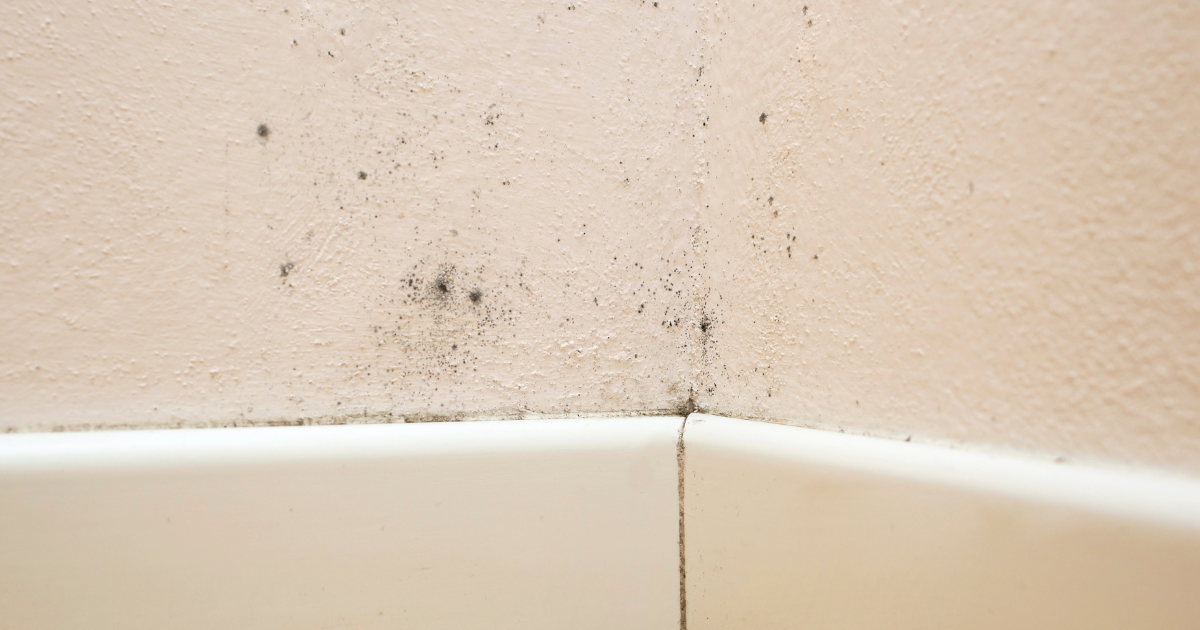
  • Water stains
  • Musty smells
  • Damp walls
  • Ceiling discoloration
  • Peeling paint
  • Condensation around windows or pipes

However, many home inspections do not include full mold testing unless you request it separately.

So when homeowners ask, can an inspector check for mold? Yes, they can, but the inspection may only cover what can be seen on the surface.

A certified mold inspector usually performs more detailed testing and moisture analysis.

What Do Inspectors Look for When Checking for Mold?

Mold inspectors focus heavily on moisture because mold needs damp conditions to grow.

They inspect areas where water problems commonly happen.

Bathrooms and Kitchens

These spaces deal with regular humidity and plumbing leaks. Inspectors often check:

  • Under sinks
  • Around tubs and showers
  • Behind toilets
  • Around dishwashers

Poor ventilation in these rooms can also increase mold growth.

Basements and Crawl Spaces

Basements are one of the most common places for mold problems.

Inspectors check for:

  • Damp concrete
  • Standing water
  • Foundation leaks
  • Humid air
  • Water stains

A small basement leak can create mold growth that spreads quietly over time.

Attics

Roof leaks and trapped heat can create moisture buildup in attics.

Inspectors often look for:

  • Wet insulation
  • Dark spots on wood
  • Poor ventilation
  • Condensation near vents

HVAC Systems

According to the CDC, mold spores can travel through heating and cooling systems. Inspectors may examine:

  • Air ducts
  • Air filters
  • Vents
  • Drip pans

This matters because mold in HVAC systems can spread spores throughout the home.

Can an Inspector Check for Mold Behind Walls?

Can an inspector check for mold

Not directly in most cases.

Standard inspections are usually non-invasive, meaning inspectors do not cut into walls or flooring without permission.

Still, experienced inspectors can spot warning signs that suggest hidden mold may exist, including:

  • Warped drywall
  • Soft walls
  • Bubbling paint
  • Strong musty odors
  • High moisture readings

Some inspectors use thermal imaging cameras and moisture meters to detect hidden moisture behind walls.

If they suspect deeper contamination, they may recommend additional mold inspection services.

What Is the Difference Between Mold Inspection and Mold Testing?

Many homeowners think these are the same thing, but they are different services.

Mold InspectionMold Testing
Looks for signs of mold and moistureCollects samples for lab analysis
Includes visual checksMeasures mold spores in air or on surfaces
Identifies possible problem areasHelps confirm mold levels and types

Mold testing can help when:

  • You smell mold but cannot see it
  • Family members have allergy symptoms
  • The home had recent water damage
  • You are buying or selling a property

Testing often includes air samples or surface samples sent to a lab for analysis.

Can an Inspector Check for Mold in the Air?

Yes, if air testing is included in the inspection.

Air sampling checks the amount of mold spores in the home compared to those in outdoor air.

High indoor spore levels may suggest hidden mold growth somewhere in the property.

Air testing can sometimes help uncover mold hiding:

  • Behind drywall
  • Under carpet
  • Inside insulation
  • Inside HVAC systems

The International Association of Certified Home Inspectors explains that air sampling can help identify mold problems that are not visible during standard inspections.

Still, air testing works best when combined with a full moisture inspection.

Signs You May Need a Mold Inspection

You do not need visible mold to justify an inspection.

Several warning signs can point to hidden problems.

Persistent Musty Smells

A damp, earthy smell often signals mold growth somewhere inside the property.

Recent Water Damage

Leaks, burst pipes, flooding, or roof problems can quickly create mold conditions.

According to the EPA, mold can start growing within 24 to 48 hours after water exposure.

Indoor Allergy Symptoms

The American Academy of Allergy, Asthma & Immunology says mold exposure may trigger:

  • Sneezing
  • Coughing
  • Eye irritation
  • Skin irritation
  • Asthma symptoms

Some homeowners notice symptoms improve when they leave the house.

Visible Stains or Spots

Dark patches on ceilings, walls, vents, or flooring should never be ignored.

What Happens if Mold Is Found?

The next steps depend on how serious the problem is.

Small mold patches may only require cleaning and fixing the moisture source.

Larger infestations may require professional remediation.

A mold inspection report may include:

  1. Areas affected
  2. Moisture sources
  3. Severity of mold growth
  4. Repair recommendations
  5. Cleanup recommendations

For home buyers, mold findings can affect negotiations and repair requests before closing.

Can a Home Inspector Miss Mold?

Can an inspector check for mold

Yes. Hidden mold can sometimes go unnoticed.

Mold often grows in areas inspectors cannot fully access, including:

  • Behind walls
  • Under flooring
  • Inside insulation
  • Behind cabinets
  • Inside crawl spaces

That’s why specialized mold inspection services are sometimes necessary after water damage or ongoing moisture issues.

No inspection can guarantee a home is completely mold-free, but experienced inspectors can reduce the chances of missing major problems.

How Much Does Mold Inspection Cost?

Costs vary depending on the home size and the type of testing involved.

Most mold inspections cost between $300 and $1,000.

Pricing often depends on:

  • Air testing
  • Surface sampling
  • Thermal imaging
  • Number of affected rooms
  • Urgent scheduling

While some homeowners try to avoid inspection costs, untreated mold problems often become far more expensive later.

Should You Get Mold Testing Before Buying a Home?

In many cases, yes.

A hidden mold problem can lead to costly repairs after moving in.

Testing is especially helpful if the property has:

  • Water stains
  • Basement moisture
  • Roof leaks
  • Poor ventilation
  • Strong odors
  • Past flooding history

Even newer homes can develop mold if moisture problems exist.

For buyers, professional inspections offer peace of mind before signing final paperwork.

Conclusion

So, can an inspector check for mold? Yes, but the level of inspection depends on the service you choose.

A standard home inspection may identify visible mold, moisture damage, and warning signs.

A dedicated mold inspection goes further by using moisture meters, thermal imaging, air testing, and lab analysis.

Mold problems rarely stay small for long. What starts as a hidden leak behind a wall can slowly spread through drywall, flooring, and ventilation systems over time.

If you notice damp smells, water damage, or allergy symptoms indoors, getting a professional inspection early can help you avoid bigger repair costs later.

Technology

Can solar panels get wet? Learn how rain, snow, and cleaning affect performance, safety, and lifespan, plus tips to protect your solar system.

You’ve probably looked up at your roof during a heavy rain and wondered, can solar panels get wet without damage?

It’s a fair question. After all, electricity and water don’t mix in most situations.

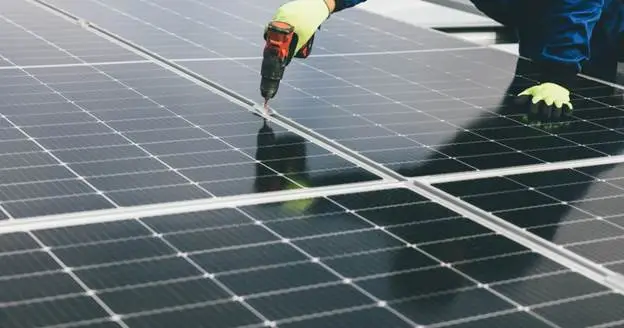
The thing is that solar panels are built for the outdoors. They sit on rooftops for decades, facing rain, dust, snow, and heat every single day.

That’s why installers and even a good solar company Ontario plan systems with weather in mind from day one.

Still, there’s more to it than just “they’re fine in the rain.”

You should know how water interacts with your panels, what’s safe, and what actually helps performance.

Key Takeaways

  • Yes, solar panels can get wet – they’re designed for it
  • Rain can actually help clean your panels and improve output
  • Proper installation keeps water away from wiring and sensitive parts
  • Heavy storms rarely damage panels, but poor mounting can cause issues
  • Regular checks and safe cleaning help your system last longer

Can Solar Panels Get Wet Without Damage?

Yes, they can. In fact, they’re made to.

Most solar panels are sealed with tempered glass and strong frames. This keeps water from getting inside the sensitive parts.

Panels are also tested to strict standards, such as IEC 61215, which assesses how they withstand rain, humidity, and temperature changes.

According to the International Electrotechnical Commission, panels must survive years of outdoor exposure before they are approved.

What protects them?

  • Tempered glass surface – resists impact and water
  • Sealed edges – stop moisture from entering
  • Waterproof junction box – protects wiring
  • Corrosion-resistant frame – prevents rust over time

So when you ask, can solar panels get wet, the answer is simple. Not only can they, but they’re expected to.

Does Rain Affect Solar Panel Performance?

Here’s something most people don’t expect. Rain can actually help your panels.

When dust and dirt build up, your panels can lose efficiency.

A study shared by the National Renewable Energy Laboratory shows that dirty panels can lose up to 25% of their output in some areas.

Rain helps by washing off:

  • Dust
  • Bird droppings
  • Pollen
  • Air pollution residue

After a good rainfall, your panels often perform better because more sunlight can reach the cells.

But there’s a small catch

On rainy days, your panels will produce less electricity. That’s not because they’re wet. It’s because there’s less sunlight.

Can Solar Panels Get Wet During Heavy Storms?

Can solar panels get wet

This is where people get nervous. Light rain is one thing. But what about storms?

Solar panels are built to handle:

  • Heavy rain
  • Strong winds
  • Hail (within tested limits)
  • Snow buildup

Most panels can withstand wind speeds of up to 140 mph (225 km/h), depending on installation. That’s strong enough for most storms.

But here’s the real issue. Damage during storms usually comes from:

  • Poor installation
  • Weak mounting systems
  • Loose wiring

Not the rain itself.

So if you’re still wondering whether solar panels can get wet during storms, the answer is yes. The bigger concern is how well they were installed.

What About Snow and Ice?

If you live in colder areas like parts of Canada, snow is part of the deal.

Good news:

  • Panels are angled, so snow often slides off
  • Dark surfaces absorb heat and help melt snow
  • Systems are tested for heavy snow loads

According to Natural Resources Canada, snow usually doesn’t cause long-term issues unless it stays for extended periods.

Quick tip

Avoid trying to scrape ice off panels. You can damage the glass. Let nature handle it.

Can Solar Panels Get Wet During Cleaning?

Yes, and cleaning is actually part of proper maintenance.

But this is where people sometimes go wrong.

Safe cleaning tips:

  • Use clean water and a soft brush
  • Clean early morning or late evening
  • Avoid high-pressure washers
  • Don’t use harsh chemicals

I’ve seen someone use a pressure washer once. It looked satisfying, but it’s risky. You can damage seals and reduce lifespan.

If you’re not comfortable, hire a professional. Many companies offering solar panels Ontario services include cleaning as part of maintenance.

How Waterproof Are Solar Panels Really?

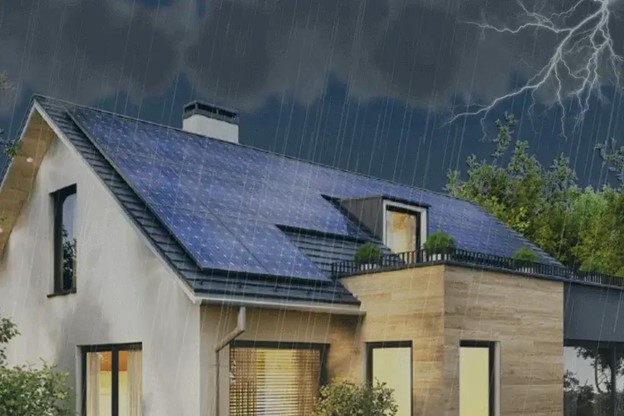
Solar panels are not just “water-resistant.” They are designed to handle long-term exposure to moisture.

Most systems meet an IP67 or IP68 rating, which means:

  • Protected from dust
  • Can handle water exposure without damage

The wiring and inverter, however, are different.

Important distinction:

  • Panels – waterproof and weatherproof
  • Inverter and connections – need protection and proper placement

That’s why installers place inverters in sheltered areas.

Signs Water Might Be Causing a Problem

Even though panels are built for water, problems can happen. Usually, it’s due to installation issues.

Watch for:

  • Sudden drop in energy output
  • Visible cracks in panels
  • Rust around mounting areas
  • Loose cables

If you notice any of these, get your system checked.

A trusted solar company Toronto or installer can inspect and fix issues early before they get worse.

Does Water Ever Damage Solar Panels?

Can solar panels get wet

It’s rare, but possible.

Here’s when it can happen:

  • Cracked glass allows water inside
  • Poor sealing during manufacturing or installation
  • Flooding affecting electrical components

According to research published by the International Energy Agency, most solar panel failures are linked to installation and electrical faults, not weather exposure.

So again, the problem isn’t that solar panels get wet. It’s how well the system is built and maintained.

How to Protect Your Solar Panels from Water Issues

You don’t need to overthink this, but a few smart steps go a long way.

Do this:

  • Hire certified installers
  • Schedule inspections every 1–2 years
  • Keep panels clean but don’t overdo it
  • Check mounts after major storms

Avoid this:

  • Walking on panels
  • Using harsh cleaning tools
  • Ignoring small damage

A properly installed system can last 25–30 years, even with constant exposure to rain.

So, Can Solar Panels Get Wet and Still Last?

Yes, they can. And they do.

Solar panels are built to sit outside for decades. Rain, snow, and cleaning are all part of their normal life.

If anything, water helps more than it hurts. It keeps panels clean and working better.

The key thing you should focus on is quality installation and basic care. That’s what really makes the difference.

Conclusion

So, can solar panels get wet? Absolutely. They’re designed for it from the ground up.

Rain won’t damage your system. In many cases, it improves performance by washing away dirt.

Problems only show up when installation is poor or maintenance is ignored.

If you’re planning to install solar panels or already have them, keep it simple.

Choose experienced installers, check your system once in a while, and let nature do most of the cleaning.

That’s how you get the most out of your investment without stress.