Home Improvement

Determine how much metal roofing material do i need with simple steps, formulas, and expert tips to avoid waste and extra costs.

A friend once ordered roofing sheets for his home and ended up with stacks of leftover metal sitting in his yard for months.

He thought estimating was easy until he realized small miscalculations can cost a lot.

That’s why the question of knowing exactly how much metal roofing material do i need matters before you spend a single penny.

If you’re planning a roofing project, getting your numbers right saves time, stress, and money.

Many homeowners rely on expert advice from a trusted Sunderland roofing company to avoid these mistakes, especially when working with metal roofing.

This guide walks you through everything step by step, using simple terms so you can figure it out without confusion.

Why Does Accurate Measurement Matter?

Metal roofing is not something you want to guess.

Unlike tiles or shingles, metal sheets are cut to size, and mistakes can lead to:

  • Wasted materials
  • Extra delivery costs
  • Project delays
  • Poor roof coverage

When asking how much metal roofing material do i need, you’re trying to balance two main things: enough material to finish the job and not too much that it becomes waste.

Even a small roof miscalculation can lead to ordering 10-15% more than needed.

Step 1: Measure Your Roof Area

Start with the basics: your roof size.

Easy Method

  1. Measure the length and width of each roof section
  2. Multiply them:
    • Length × Width = Area
  3. Add all sections together

For example:

  • Section 1: 10m × 5m = 50m²
  • Section 2: 8m × 6m = 48m²
  • Total = 98m²

This gives you your base roof area.

Step 2: Account for Roof Pitch

Roofs are not flat.

The slope (pitch) increases the actual surface area.

Why This Matters

A steeper roof uses more material than a flat one, even if the house size is the same.

Pitch Adjustment Guide

  • Low slope: add 5-10%
  • Medium slope: add 10-15%
  • Steep slope: add 15-20%

So if your roof is 100m² with a medium slope:

  • Adjusted area = 110-115m²

This step is often missed when people try to figure out how much metal roofing material do i need, which leads to shortages halfway through the job.

Step 3: Include Waste Factor

No roofing project is perfect.

Cuts, overlaps, and mistakes happen.

Standard Waste Allowance

  • Simple roof: add 5%
  • Complex roof (valleys, angles): add 10-15%

Example:

  • Adjusted area: 110m²
  • Add 10% waste = 121m²

Now you’re getting closer to the real number.

Step 4: Understand Metal Panel Coverage

Metal roofing sheets don’t cover exactly what their size says.

Why?

Because of overlaps between panels.

A sheet labeled 1 meter wide may only cover about 0.9 meters after overlap.

What to Do

Check the effective coverage width from your supplier.

For instance:

  • Sheet width: 1m
  • Effective coverage: 0.9m

This affects how many panels you need.

Step 5: Calculate Number of Panels

how much metal roofing material do i need

Now convert your total area into panels.

Basic Formula

  • Total roof area ÷ panel coverage = number of panels

Example:

  • Total area: 121m²
  • Each panel covers: 0.9m × 3m = 2.7m²
  • Panels needed: 121 ÷ 2.7 ≈ = 45 panels

Always round up.

This is the stage where most homeowners finally get a clear answer to how much metal roofing material do i need.

Step 6: Don’t Forget Accessories

Metal roofing isn’t just sheets.

You also need:

  1. Ridge caps
  2. Flashings
  3. Screws and fasteners
  4. Sealants
  5. Underlayment

These can add 10-20% to the cost of your project.

A professional like a Sunderland roofer will usually include these in the estimate so nothing gets missed.

Common Roof Shapes and Their Impact

Not all roofs are equal.

Simple Roof (Gable)

  • Easy to measure
  • Less waste
  • Lower cost

Hip Roof

  • More edges
  • More cutting
  • Higher waste

Complex Roof

  • Multiple angles
  • Valleys and joints
  • Requires extra material

If your roof is complex, your estimate must be more detailed.

This is where many people misjudge how much metal roofing material do i need.

Cost Considerations You Should Know

Material quantity affects your budget directly.

Key Cost Factors

  • Type of metal (steel, aluminum, zinc)
  • Panel thickness
  • Coating and finish
  • Delivery distance

According to industry data from UK roofing trade bodies such as the National Federation of Roofing Contractors, material waste and incorrect estimates are among the top reasons roofing costs increase unexpectedly.

That’s why accurate calculation is not just helpful, it’s necessary.

DIY vs Professional Estimation

You can measure your roof yourself, but there’s a difference between a rough estimate and a precise one.

DIY Works If:

  • Your roof is simple
  • You have clear measurements
  • You double-check your math

Call a Professional If:

  • Roof has multiple angles
  • You’re unsure about pitch
  • You want zero waste

A Sunderland roofing company often uses tools such as aerial measurements and digital mapping to obtain precise figures.

Quick Checklist Before You Order

how much metal roofing material do i need

Before placing your order, go through this:

  1. Measured all roof sections
  2. Added pitch adjustment
  3. Included waste factor
  4. Checked panel coverage size
  5. Counted accessories

If all boxes are ticked, your estimate is solid.

Mistakes to Avoid

Even small errors can cost money.

Watch Out For:

  1. Ignoring the roof slope
  2. Forgetting overlaps
  3. Ordering exact numbers with no waste
  4. Skipping accessories
  5. Guessing instead of measuring

Each of these can throw off your total when calculating how much metal roofing material do i need.

Conclusion

Getting your metal roofing estimate right is not complicated, but it does require care.

Measure properly, adjust for slope, add waste, and always check product details before ordering.

When you take the time to do it correctly, you avoid delays, save money, and get a clean, professional finish.

If you’re still unsure, it’s worth speaking to a Sunderland roofer who can give you a precise breakdown based on your roof design.

At the end of the day, knowing how much metal roofing material do i need puts you in control of your project, and keeps surprises to a minimum.

Home Improvement

Learn when to get mold inspection, key warning signs, health risks, and timing tips to protect your home and avoid costly damage from hidden mold issues.

You don’t always see mold right away. That’s what makes it tricky. It can grow behind walls, under floors, or inside your air vents without making a big scene.

I’ve seen this happen to a friend who thought a small musty smell in his apartment was “just old building vibes.”

Two months later, his wardrobe had mold spots, and his allergies were worse than ever.

Knowing when to get mold inspection can save you money, protect your health, and prevent long-term damage to your home.

If you’re already thinking about getting help, you can check out mold inspection services early before things get out of hand. Acting early often costs less than fixing a bigger problem later.

Key Takeaway

  • Don’t wait until mold is visible before you act
  • Musty smells, water damage, and health symptoms are early warning signs
  • The right time for inspection is often sooner than you think
  • Professional testing gives you clear answers, not guesses

When to Get Mold Inspection After Water Damage

Water damage is one of the biggest triggers for mold growth. And here’s the thing most people don’t realize…

Mold can start growing in 24 to 48 hours after water exposure. That’s not a long time at all.

According to the Environmental Protection Agency, quick action after water damage is critical to preventing mold from spreading.

You should get an inspection if you’ve had:

  • Flooding (even small indoor flooding)
  • Roof leaks
  • Burst pipes
  • AC or plumbing leaks
  • Overflow from sinks or toilets

Even if everything looks dry, moisture can stay trapped inside walls or under flooring.

What I’ve seen firsthand:
A small pipe leak under a kitchen sink looked harmless. But inside the cabinet walls? Mold had already spread.

When to Get Mold Inspection If You Notice a Musty Smell

This one is easy to ignore. You walk into a room and notice a damp, earthy smell.

You open a window, spray air freshener, and move on.

But that smell is often your first warning sign.

Why the smell matters:

  • Mold releases compounds called microbial volatile organic compounds (MVOCs)
  • These create that musty odor
  • Even if you can’t see mold, it may already be growing

According to the Centers for Disease Control and Prevention, a persistent moldy smell is a strong sign of hidden growth.

If the smell keeps coming back, it’s time to stop guessing and get an inspection.

When to Get Mold Inspection If You Have Health Symptoms

when to get mold inspection

Sometimes your body notices mold before your eyes do.

If you’ve been dealing with strange symptoms at home, it might not be random.

Common signs linked to mold exposure:

  • Sneezing or runny nose
  • Itchy eyes
  • Skin irritation
  • Headaches
  • Breathing issues

The World Health Organization has linked indoor mold exposure to respiratory problems, especially in people with asthma or allergies.

Pay attention to this pattern:

  • You feel worse at home
  • Symptoms improve when you leave

That’s a big clue.

When to Get Mold Inspection Before Buying or Renting a Property

This is one step many people skip and regret later.

You walk into a nice-looking place. Fresh paint, clean floors, everything looks fine.

But paint can hide stains. And surfaces don’t tell the full story.

Before you sign anything, consider:

  • Past water damage history
  • Signs of recent repairs
  • Strange odors
  • Poor ventilation areas

A mold inspection gives you real data, not assumptions.

If you’re dealing with properties in California, many buyers now request mold inspection Los Angeles services before closing deals. It’s becoming standard practice.

When to Get Mold Inspection in Older Buildings

Older homes have charm. But they also come with hidden issues.

Over time, materials wear down, and moisture control becomes weaker.

Why older buildings are higher risk:

  • Aging pipes can leak slowly
  • Older insulation traps moisture
  • Poor ventilation in bathrooms and basements
  • Roof wear over time

Even if you’ve lived there for years without problems, things can change quietly.

Getting periodic inspections is a smart move.

When to Get Mold Inspection After Renovation or Repairs

You’d think fixing your home removes risk. But sometimes, it actually creates new ones.

Construction work can expose hidden mold or trap moisture if not done right.

Watch for these situations:

  • Wall openings during renovation
  • New drywall installation
  • Poor drying after repairs
  • HVAC system changes

I once saw a freshly renovated room start smelling musty within weeks. Turns out, moisture got sealed inside the wall during the build.

When to Get Mold Inspection If You See Visible Signs

This is the obvious one. But even here, people still hesitate.

If you see mold, don’t assume it’s just surface-level.

Visible mold can look like:

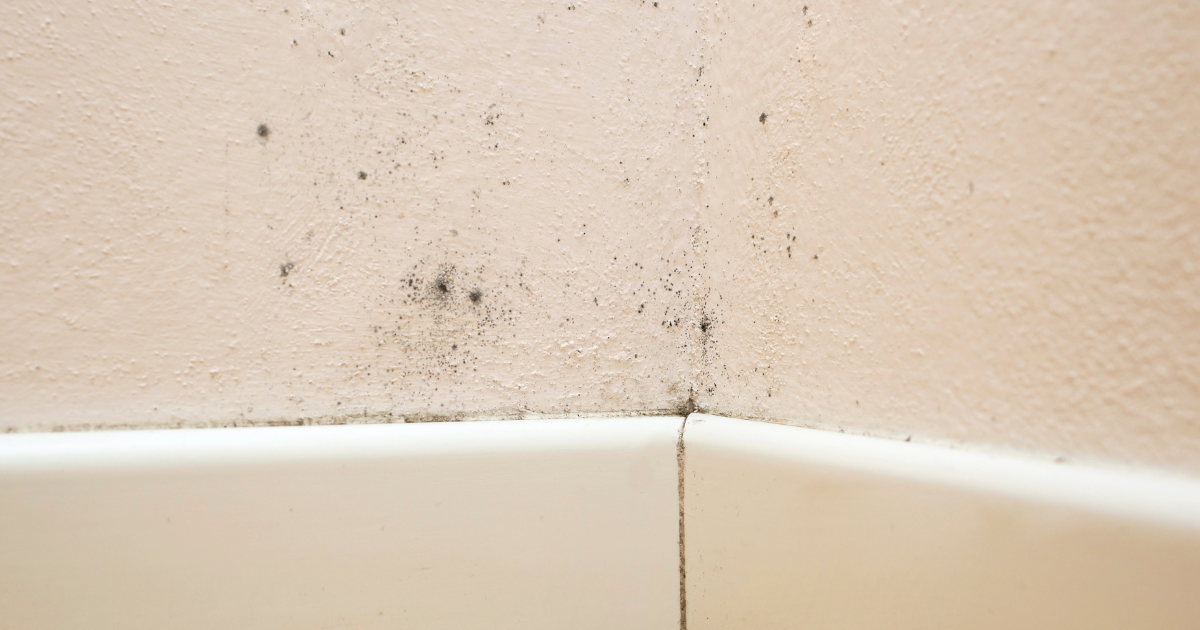
  • Black, green, or white spots
  • Fuzzy patches
  • Stains that keep spreading

Here’s the important part:

  • What you see is often just a small part
  • Mold may already be growing behind surfaces

That’s where mold testing Los Angeles services come in handy. They help confirm how far the issue has spread.

When to Get Mold Inspection in High-Humidity Areas

when to get mold inspection

Humidity is mold’s best friend.

If your home stays damp, mold doesn need much encouragement.

Areas to watch closely:

  • Bathrooms without proper ventilation
  • Kitchens with steam buildup
  • Basements
  • Laundry rooms

According to the National Institute of Environmental Health Sciences, indoor humidity should stay below 50% to reduce mold growth.

If your home feels damp often, an inspection can catch problems early.

How Often Should You Think About When to Get Mold Inspection

There’s no one-size answer here. But there are smart guidelines.

Consider inspections:

  • After any water event
  • Every 1–2 years in older homes
  • Before buying or renting
  • When symptoms or smells appear

Think of it like checking your car. You don’t wait for a breakdown before taking action.

What Happens During a Mold Inspection

If you’ve never done this before, here’s what to expect.

A proper inspection is more than just looking around.

Professionals typically:

  • Check visible areas
  • Use moisture meters
  • Take air or surface samples
  • Look inside walls or hidden spaces

You get a report that tells you:

  • If mold is present
  • The type of mold
  • The level of contamination
  • What steps to take next

This removes guesswork completely.

Conclusion

Knowing when to get mold inspection is less about waiting for obvious signs and more about paying attention early.

If you notice smells, health changes, water damage, or anything that feels off, don’t brush it aside.

Mold problems rarely fix themselves. They grow quietly until they become expensive and harder to control.

A timely inspection gives you clarity. And once you know what you’re dealing with, you can take the right steps with confidence.

Home Improvement

Plumber vs Electrician vs HVAC explained. Learn who to call, what they fix, and how to choose the right pro in Richardson and Garland.

When something breaks in your home, you don’t have time to guess who to call.

Your sink is leaking. The lights keep flickering. The AC is blowing warm air in the middle of July.

Now you’re stuck asking: Plumber vs Electrician vs HVAC, who handles what?

I’ve seen homeowners waste money calling the wrong trade first. One client thought their water heater problem was “an electrical thing.”

It turned out to be a broken water line. That extra service call cost them.

If you want it done right the first time, you need to know the difference.

And if you’re looking for trusted local help, many homeowners turn to the plumbing pros for expert plumbing services in Richardson and nearby cities.

Let’s clear up the confusion.

What Does a Plumber Do?

A plumber works with water systems and pipes inside your home.

If it involves water coming in or draining out, it’s usually plumbing.

A plumber handles:

  • Leaking faucets
  • Burst pipes
  • Water heater repairs
  • Clogged drains
  • Sewer line problems
  • Toilet repairs
  • Garbage disposal issues

According to the U.S. Bureau of Labor Statistics, plumbers install and repair systems that carry water, gas, and waste. That includes both residential and commercial buildings.

If you live in Richardson or Garland, a Plumber Richardson TX or plumber Garland professional can handle everything from simple repairs to full pipe replacements.

When You Call a Plumber Richardson

Call a plumbing company Richardson if:

  • You see water stains on walls or ceilings
  • Your water bill suddenly jumps
  • Your drains smell bad
  • You hear water running when nothing is on

These are not “wait and see” problems. Water damage spreads fast.

What Does an Electrician Do?

Plumber vs Electrician vs HVAC

An electrician works with electrical systems and wiring.

If it involves power, outlets, lights, or breakers — that’s electrical.

An electrician handles:

  • Installing new outlets
  • Fixing tripping breakers
  • Replacing electrical panels
  • Wiring new homes
  • Installing lighting
  • Troubleshooting power loss

The National Fire Protection Association (NFPA) reports that electrical failures are a leading cause of house fires.

That’s why electrical work should never be DIY unless you are licensed.

If your breaker keeps tripping, don’t assume it’s minor. That can mean:

  • Overloaded circuits
  • Faulty wiring
  • A failing panel

Electrical problems are safety issues first, convenience issues second.

What Does an HVAC Technician Do?

HVAC stands for Heating, Ventilation, and Air Conditioning.

An HVAC technician handles systems that control your home’s temperature and airflow.

HVAC professionals handle:

  • AC repair
  • Furnace repair
  • Heat pump service
  • Air duct cleaning
  • Thermostat installation
  • System maintenance

The U.S. Department of Energy states that proper HVAC maintenance can improve efficiency and extend system life.

If your home feels:

  • Too hot
  • Too cold
  • Humid
  • Uneven in temperature

You likely need HVAC service.

Plumber vs Electrician vs HVAC: Side-by-Side Comparison

Here’s a simple way to look at it.

ProblemWho to Call
Leaking pipePlumber
No hot waterPlumber
Breaker keeps trippingElectrician
Outlet not workingElectrician
AC blowing warm airHVAC
Heater not turning onHVAC

Think of it this way:

  • Water issue = Plumber
  • Power issue = Electrician
  • Air and temperature issue = HVAC

Where the Lines Sometimes Cross

This is where homeowners get confused.

Some systems overlap.

Example 1: Water Heater

A water heater can involve:

  • Plumbing (water lines)
  • Electrical (if it’s electric)
  • Gas lines (sometimes plumbing handles this too)

If water is leaking from the tank → call a Richardson plumber.

If it won’t power on → could be electrical.

Example 2: HVAC Drain Lines

Your AC system produces condensation. That water drains through a small pipe.

If that drain clogs, it becomes a plumbing issue, even though it started as HVAC.

That’s why working with an experienced Richardson Plumbing Company matters. They understand how systems connect.

Licensing and Training Differences

Each trade requires specific training and licensing.

Plumbers:

  • State licensing required
  • Apprenticeship training
  • Knowledge of plumbing codes

Electricians:

  • Must meet strict safety codes
  • Licensed by the state
  • Electrical code compliance

HVAC Technicians:

  • EPA certification for refrigerants
  • Trade school or apprenticeship
  • Specialized system training

The Environmental Protection Agency (EPA) requires HVAC techs who handle refrigerants to be certified under Section 608.

That certification protects you and the environment.

Cost Differences

Pricing varies based on the trade.

Plumber Costs

  • Minor repair: $150–$400
  • Water heater repair: $200–$900
  • Major pipe repair: Can exceed $1,000

Electrician Costs

  • Service call: $150–$300
  • Panel replacement: $1,000–$3,000
  • Rewiring projects: Higher depending on home size

HVAC Costs

  • AC repair: $150–$600
  • System replacement: $5,000–$12,000

Costs depend on your home, system age, and parts needed.

Which One Do You Need Right Now?

Ask yourself these quick questions:

  1. Is water involved?
    Call a plumber Richardson TX.
  2. Is power involved?
    Call an electrician.
  3. Is temperature or airflow involved?
    Call HVAC.

If you’re still unsure, describe the symptom when you call. A good plumbing company Richardson will ask smart questions before dispatching a tech.

Why Choosing the Right Pro Matters

Plumber vs Electrician vs HVAC

Calling the wrong trade first can mean:

  • Extra service call fees
  • Delays in fixing the real problem
  • Possible safety risks

For example:

A leaking pipe near an electrical outlet is not just a plumbing issue. It’s urgent because water and electricity don’t mix.

In cases like that, you may need both a Richardson plumber and an electrician.

A skilled plumber Garland professional understands how to spot red flags and coordinate with other trades when needed.

That’s how you protect your home long term.

How to Choose a Reliable Professional

Not all contractors are equal.

Here’s what you should look for:

  • Licensed and insured
  • Clear pricing
  • Strong local reviews
  • Years of experience
  • Written estimates

Check credentials through trusted organizations. The Better Business Bureau (BBB) can show complaint history and ratings.

Local experience matters too. A Richardson Plumbing Company understands city codes, weather conditions, and common plumbing issues in North Texas homes.

Common Emergency Situations

Some problems can wait. Others cannot.

Call Immediately If You Notice:

  • Flooding
  • Burning smells from outlets
  • No heat during freezing weather
  • AC leaking heavily
  • Sewage backup

Delaying can turn a small repair into thousands of dollars in damage.

Final Quick Summary

Here’s the simplest breakdown:

  • Plumber = Pipes, water, drains
  • Electrician = Wiring, power, panels
  • HVAC = Heating, cooling, airflow

If you live in Richardson or Garland and you’re dealing with water issues, a Richardson plumber with real experience can save you time and stress.

Understanding Plumber vs Electrician vs HVAC helps you make faster decisions, protect your home, and avoid wasted money.

Conclusion

When something goes wrong in your home, you don’t just need help, you need the right help.

Knowing the difference between a plumber, Electrician, and HVAC technician keeps you from guessing.

Water problems go to plumbing. Power issues belong to electricians. Heating and cooling concerns fall under HVAC.

And when you choose experienced professionals who understand how these systems connect, you protect your home, your safety, and your wallet.

Home Improvement

How often to clean shower tile depends on use, moisture, and grout type. Learn the right schedule to prevent buildup, stains, and damage.

Anyone who has scrubbed shower tile on a busy weekend knows this feeling.

You start with good intentions, then notice cloudy spots, dark grout lines, and soap film that did not show up last week.

This is why knowing how often to clean shower tile matters more than most people think.

Tile looks tough, but it quietly collects moisture, oils, and residue every time you shower.

When people visit a tile shop, they often focus on color and texture. Maintenance rarely gets the same attention. That is understandable.

Cleaning schedules sound boring until stains settle in and grout starts to change color.

This guide breaks things down clearly and realistically. You will learn how often to clean shower tile based on daily use, household habits, and tile type.

No scare tactics. No complicated routines. Just practical advice to help you keep your shower clean without making it a full-time job.

Why Shower Tile Gets Dirty Faster Than You Expect

Understanding how often to clean shower tile starts with knowing why it gets dirty so fast.

Every shower leaves behind moisture, soap residue, body oils, and minerals from water.

These settle into tile surfaces and grout lines. Over time, the buildup hardens and becomes harder to remove.

Even a shower that looks clean can hide problems. Warm, damp spaces create the ideal conditions for mildew and bacteria.

According to the United States Environmental Protection Agency, moisture control is one of the most important steps in preventing mold growth indoors, including in bathrooms.

Several factors speed up the buildup:

  • Daily use increases residue layers.
  • Poor ventilation traps moisture longer.
  • Dark grout shows mildew faster.

When these conditions stack up, how often to clean shower tile becomes less flexible.

Skipping regular cleaning does not just affect appearance. It also shortens the life of your tile and grout.

How Often To Clean Shower Tile For Most Households

How often to clean shower tile

For most homes, how often to clean shower tile follows a predictable rhythm.

Light daily care, combined with weekly cleaning, helps prevent problems from building up.

This approach saves time compared to deep scrubbing later.

A practical schedule looks like this:

  • After each shower
    • Rinse tile with warm water
    • Wipe down with a squeegee or towel
  • Once a week
    • Clean tile and grout with a gentle cleaner
    • Focus on corners and edges
  • Once a month
    • Inspect grout for dark spots or residue

This routine aligns with guidance from cleaning industry professionals, including recommendations shared by the American Cleaning Institute.

If you shower once or twice a day, sticking to this schedule matters even more. How often to clean shower tile is not about perfection.

It is about stopping the buildup before it turns into stains that take hours to remove.

How Tile Type And Grout Affect Cleaning Frequency

Not all tile is the same, and this changes how often to clean shower tile.

Some materials hide dirt better, while others show every watermark. Grout type also plays a big role.

Here is how common materials behave:

  • Ceramic and porcelain tile
    • Low absorption
    • Easier to clean
    • Weekly cleaning usually works
  • Natural stone tile
    • More porous
    • Needs gentler products
    • Requires more frequent attention
  • Unsealed grout
    • Absorbs moisture quickly
    • Stains faster

According to the Natural Stone Institute, stone surfaces need consistent care to avoid damage from moisture and harsh cleaners.

If your shower uses stone or older grout, you may need to clean the shower tile twice a week.

Matching your routine to your materials helps protect your investment and keeps the shower looking fresh longer.

Signs You Are Not Cleaning Shower Tile Often Enough

Sometimes, the best way to judge how often to clean shower tile is by paying attention to warning signs.

These signals show up quietly and worsen over time if ignored.

Watch for these changes:

  • Grout darkening even after rinsing
  • Cloudy film on tile surfaces
  • Musty smell that lingers
  • Sticky feel on walls after drying

These signs mean residue has built up beyond surface level. At this point, regular cleaning becomes harder and stronger products may be needed.

The Centers for Disease Control and Prevention notes that mold thrives in damp spaces when moisture is not controlled.

If you notice these issues, temporarily increase how often you clean the shower tile.

Once the buildup clears, return to a steady routine. Small adjustments now prevent bigger cleaning problems later.

How Daily Habits Reduce How Often Deep Cleaning Is Needed

How often to clean shower tile

One overlooked part of how often to clean shower tile is what you do between cleanings.

Small habits reduce moisture and residue, making weekly cleaning faster and easier.

Helpful habits include:

  • Running the bathroom fan for at least twenty minutes
  • Leaving the shower door open after use
  • Wiping walls quickly with a towel

These steps limit how long moisture sits on tile and grout. Less moisture means slower mildew growth and fewer stains. Over time, this reduces the need for harsh scrubbing.

According to home maintenance experts at This Old House, airflow and moisture control are key to keeping bathrooms cleaner longer.

When these habits become routine, how often to clean the shower tile feels manageable instead of overwhelming.

You spend less time cleaning and more time enjoying a bathroom that looks and smells clean.

Conclusion

Knowing how often to clean shower tile helps you stay ahead of stains, odors, and damage.

For most homes, a mix of daily wipe downs and weekly cleaning works well. Tile type, grout condition, and shower use can shift that schedule slightly.

The goal is not constant scrubbing. It is consistency. When you clean often enough to stop buildup early, the job stays simple.

Your tile lasts longer, grout stays lighter, and your bathroom feels fresher every day.

If you treat shower tile as something that needs steady care instead of occasional rescue, you save time and effort in the long run. A little attention goes a long way.

Home Improvement

Learn what should a handyman be able to do, from basic repairs to licensed tasks, and why skills and certifications matter for reliable service.

You know that moment when the kitchen faucet starts dripping at 7 a.m., the bathroom grout is turning black, and the back door won’t shut right?

That’s when you stop Googling “how to fix this myself” and start looking for someone who just knows.

A good handyman can save you time, stress, and sometimes even thousands in emergency repairs.

In places like Melbourne, where older homes need regular upkeep, having someone reliable like a handyman Richmond on speed dial makes all the difference.

But what exactly should a handyman be able to do? It’s not just about fixing things.

It’s about knowing what can be fixed, what needs a specialist, and doing it all safely and correctly.

The Core Skills Every Handyman Should Have

A handyman is the go-to person for everyday home fixes. They’re not specialists, but they’re trained in a range of common repairs that keep your house running smoothly.

The most common jobs include:

  • Fixing leaky faucets and running toilets: A dripping tap might seem small, but it wastes water and can lead to bigger plumbing issues. Most handymen can replace washers, cartridges, or entire fixtures without calling a plumber.
  • Drywall repair: Whether it’s a nail hole or water damage, a handyman should patch, sand, and prep walls so they’re ready for paint. Big structural damage? That’s when they’ll recommend a professional.
  • Painting and prep work: This isn’t just about applying paint. It includes cleaning, patching holes, sanding, and using the right primer for kitchens, bathrooms, or outdoor areas.
  • Door and window fixes: Sticking doors, squeaky hinges, or windows that won’t lock are routine. A handyman adjusts frames, tightens screws, and replaces broken hardware.
  • Light fixture and outlet replacement: Swapping a ceiling light or a cracked outlet cover is standard. But rewiring a circuit? That’s beyond most handymen unless they’re licensed.

These tasks are the backbone of handyman work. They’re practical, common, and often prevent bigger problems down the line.

What About Bigger Jobs?

what should a handyman be able to do

Some handymen take on more complex projects, depending on their skills and local rules.

Examples include:

  • Installing appliances: Dishwashers, microwaves, or washing machines. This needs basic plumbing and electrical knowledge, but not full trade certification.
  • Flooring repairs: Replacing a damaged floorboard, regrouting tile, or laying laminate. They might not install a full hardwood floor, but small fixes are doable.
  • Deck and fence maintenance: Cleaning, sealing, replacing rotten boards, or tightening rails. Outdoor upkeep is a big part of the job, especially with weather changes.
  • Gutter cleaning and minor roof checks: Clogged gutters cause water damage. Clearing them and checking for loose shingles helps prevent costly repairs.

These jobs demonstrate a handyman’s ability to handle both indoor and outdoor work.

It’s not just about fixing what’s broken. It’s about stopping problems before they start.

When Does a Handyman Need a License?

This is where things get serious. A handyman can do a lot, but not everything, and the rules depend on where you live.

In Australia:

StateLicense Required For
NSWJobs over $5,000 or any plumbing, electrical, or gas work
VictoriaJobs over $10,000 or specialized trades
QueenslandElectrical and plumbing always require licensed tradespeople

For small jobs like painting, furniture assembly, or changing a tap washer, no license is needed.

But if the job involves gas lines, rewiring, or structural changes, a license is mandatory.

Even if a job doesn’t require a license, it might still need specific training. For example:

  • Electrical work is limited to minor tasks like replacing switches or fixtures. A licensed electrician must do anything involving the main panel.
  • Plumbing is similar. Fixing a leaky tap? Okay. Installing a new bathroom? That’s a plumber’s job.

Going beyond these limits isn’t just illegal, it’s dangerous. A good handyman knows when to say, “I can’t do this, but I know who can.”

Why Certifications Matter

You don’t need a degree to be a handyman, but training and certifications build trust and prove skill.

Some useful ones include:

These aren’t just fancy letters. They mean the person knows how to work safely, use the right tools, and follow industry standards.

Certified handymen are more likely to:

  • Follow building codes
  • Use proper safety gear
  • Handle hazardous materials correctly
  • Complete jobs efficiently

That’s why it’s worth asking about certifications before hiring.

Soft Skills That Make a Difference

Technical skills are important, but so are the less obvious ones.

A reliable handyman should also have:

  • Problem-solving ability: Homes are full of surprises. A pipe might be in the wrong place, or a wall might be hiding old wiring. They need to think on their feet.
  • Attention to detail: A small gap in caulking can lead to mold. A slightly crooked shelf looks bad. Good work is in the details.
  • Communication skills: They should explain what they’re doing, give clear estimates, and listen to your concerns.
  • Time management: Juggling multiple jobs, showing up on time, and finishing what they start is part of being professional.

These traits separate okay handymen from great ones. You want someone who’s not just skilled, but also respectful and easy to work with.

What a Handyman Should Not Do

what should a handyman be able to do

It’s just as important to know what’s outside their scope.

A handyman should not:

  • Do major electrical rewiring
  • Install or repair gas lines
  • Handle structural changes like removing load-bearing walls
  • Perform major plumbing overhauls
  • Work on high-voltage systems or HVAC compressors without proper certs

If someone offers to do these jobs without the right license or training, it’s a red flag. It could void your insurance or create serious safety risks.

For example, working on gas lines without certification can lead to leaks or explosions. Rewiring a house without proper knowledge can cause fires.

A good handyman will be honest about their limits. That’s not a weakness, it’s professionalism.

Conclusion

So, what should a handyman be able to do? They should handle everyday repairs, maintain your home, and know their limits.

They’re the go-to for things that aren’t emergencies but still need fixing fast.

They combine practical skills with good judgment. They know when to fix it, when to call for backup, and how to leave your home better than they found it.

Whether it’s a squeaky door, a dripping tap, or a patch of damaged drywall, a skilled handyman keeps your home running smoothly.

Home Improvement

Discover the differences in Aluminium Windows vs Wooden Windows. Compare aluminium windows vs wooden windows in terms of durability.

Most individuals perceive all windows as similar yet different, and those who have already begun researching potential home designs are aware of this.

When deciding on a replacement window project, it is important to consider the material of the existing windows and whether they align with your home’s specifications.

This can be crucial. Other materials may be more appropriate for your home and climate.

Here, we’ll discuss some differences between two prevalent window fibers, wood (which we will also examine) and aluminum.

We will examine the comparison between aluminiumfönster (aluminium) vs wooden windows.

What are Aluminum Windows?

The aluminium in the frames is a durable alloy that’s tough enough to endure corrosion, weathering, and everyday use.

Aluminium windows are made to withstand corrosion, decay, and pests. Aluminium windows are a great option for those seeking dependable, long-lasting, energy-saving, and low-maintenance windows.

The reason aluminium is a popular frame material is that demand for it has increased, leading to lowered prices for once high-priced materials.

What are Wooden Windows?

Wood windows have been and continue to offer many advantages, which is why homeowners and architects frequently choose this material. 

Their excellent insulation, environmental sustainability, and ability to be customized for any architectural style make them a perfect fit.

Properly maintained wood windows are durable and can last for many years. 

We will also talk about timber, which is regularly referred to deciduous trees or larger pieces of wood with a specific size range for construction.

Wood vs Aluminum Windows: Comparison.

They are:

Aesthetics and Atmosphere.

The warmth emitted by wood during the day is naturally cozy, which gives rooms a natural and organic feel. This is true for wood, also called heat transfer. 

The grain and varying hues of the wood, from golden pine to deep oak, create a sense of homeliness and texture.

Despite its slimness, aluminum exudes refinement with its sleek profiles that make the glass appear to float and frame the view with subtlety.

The powder coatings come in a variety of RAL colors, providing both boldness and tone-on-tone variation. In your home, traditional comfort is a must-have, while aluminum is perfect for modern architecture. 

Energy Efficiency and Indoor Climate

The advantages of wood windows are both natural insulating capacity and moisture control.

Modern thermally broken profiles with polyamide insulation strips compensate for the higher heat conductivity of aluminium.

Large glass areas allow daylight to enter, reducing the need for artificial lighting regardless of the frame material.

aluminium windows vs wooden windows

Stability and Durability

The material of wood is a living material that can endure changes in humidity and temperature. With laminated timber, swelling and shrinkage are reduced; with proper maintenance (painting every 3–7 years), the service life of this material is over 80 years. 

The weather resistance of aluminium windows is unparalleled. Without regular repainting, powder-coated or anodized surfaces can withstand UV and rain.

With its strength, the material can support large sliding elements or panes from the base of the pantry without risking warping.

Sustainability and the Environment

Wood is eco-friendly because it can be recycled and stores CO2 during its growth. Certifications such as PEFC or FSC are used to ensure sustainable sourcing. Until its expiration, the material can be used as energy or reused for recycling.

Aluminum is a highly energy-intensive material, but it’s almost entirely recyclable. Up to 95% of the energy required for primary aluminum is consumed in the production of secondary aluminum.

Its environmental footprint is affected by its recycling rate. Wood and aluminum both have sustainable advantages, with wood being able to store CO2 while aluminum can be recycled.

Cost and Long-Term Value

In the long term, both materials are also good sustainable investment opportunities. Its durability and refinishing options ensure that wood remains valuable.

Among other properties, aluminum is both highly durable and easy to maintain. Ensure that windows are well-maintained to ensure lifecycle performance, as maintaining them increases insulation levels, energy efficiency, reduces utility costs, comfort levels, and property value protection.

Wood, aluminum, and a hybrid alu-wood system always yield better workmanship with expert installation. All is well worth the investment.

Pros of Aluminum Windows.

  • Low initial cost.

Timber windows are notably less expensive than aluminum window frames. 

This makes them a more financially viable choice for many homeowners who want to improve the aesthetics and insulation of their homes.

  • No maintenance required.

Corrosion-resistant aluminum windows are maintenance-free. They are ideal for homeowners who lack the time to spend on frequent window servicing.

  • Energy efficient.

Thermal breaks in aluminum windows are known for their energy efficiency, which makes them some of the most efficient frame options.

Cons of Aluminum Windows.

  • Some period houses are unsuitable for this type of living.

Certain individuals who own period homes prefer the look of timber over aluminum. Modern aluminum frames come in various slender-profiled designs that enhance the aesthetics of traditional residences.

  • Less insulating than timber.

While wood is an excellent insulator, aluminum is not as efficient in terms of energy consumption.

Pros of Timber Windows.

  • Classic appearance.

For those with a traditional style or who own period properties, timber windows are often the only option. Obviously, this is determined by financial resources!

  • Excellent insulation.

That wood is an excellent insulator also means that timber window frames provide superior insulation for the home.

Cons of Timber Windows.

  • Aluminum windows are less expensive than timber frames. The cost of installing timber windows is influenced by the number of windows required.
  • Regular maintenance.

Within the initial year of installation, timber window frames must be retracted. Regular maintenance is required for them once every two years. 

Insufficient maintenance between treatments can cause timber windows to rot, leading to expensive repairs and replacements.

aluminium windows vs wooden windows

Conclusion

Wood windows have advantages and disadvantages, as do aluminum windows. Your decision is based on your values. 

Wooden windows are ideal for those seeking a traditional look, natural light, efficient insulation, and environmental benefits.

If you’re looking for modern design, durability, low maintenance, and energy efficiency, aluminum windows are the ideal choice.

When properly installed with top-notch glazing, you can expect to achieve exceptional durability and energy efficiency, regardless of the material used.

Home Improvement

Does insurance cover heat pumps? Learn when homeowners insurance may pay for repairs or replacement, what exclusions apply, and how to protect your system.

Heat pumps are one of the most efficient ways to heat and cool your home. But like any major appliance, they are not cheap. So, it’s no wonder that many homeowners ask the big question: Does insurance cover heat pumps?

The answer isn’t as simple as ‘yes’ or ‘no.’

In most cases, it depends on how the damage to your heat pump happens.

While your homeowners insurance may cover sudden and unexpected events, such as a storm or fire, it typically does not cover everyday wear and tear or breakdowns due to age.

If you understand this, it will help you avoid costly surprises and ensure your investment remains secure.

If you need a professional to inspect your heat pump and provide expert advice, click here.

How Does Homeowners Insurance Typically Work?

Before we look at heat pumps specifically, let’s first understand how the homeowners insurance typically works.

Now, most policies cover damage that is sudden and accidental. For instance, fire, wind, hail, theft, or vandalism.

In these cases, your insurance company may pay to repair or replace the damaged property, including your heat pump.

But if the damage happens gradually over time, your homeowners insurance will most likely not cover that. If you have issues like normal wear and tear, poor maintenance, or mechanical breakdowns, these are considered your responsibility.

That is why, when it comes to heat pumps, insurance coverage depends largely on the cause of the damage.

Does Insurance Cover Heat Pumps?

Like we have covered, the short answer is: sometimes.

Homeowners insurance can cover your heat pump, but only in specific situations. The key factor is the cause of the damage.

Here is how to know your heat pump will be covered by insurance:

Common Scenarios Where Coverage May Apply

Let me make this clear, and give you some scenarios where your homeowners insurance will cover your heat pump.

  • Storm Damage

A strong windstorm knocks a tree onto your outdoor unit. Since wind and falling objects are typically covered perils, your insurance may cover the cost of repairs or replacement.

  • Lightning Strikes

A nearby lightning strike causes an electrical surge that damages your system. Many policies cover lightning damage, making this a valid claim.

  • Fire

A house fire damages your heat pump along with other parts of your property. Insurance usually covers fire-related losses, including appliances like heat pumps.

  • Vandalism or Theft

If someone damages your unit intentionally or steals parts (like copper wiring), most policies consider this a covered event.

In all these cases, your insurance company will likely require documentation before approving your claim. Documentation includes:

  • photos of the damage,
  • a repair estimate,
  • and possibly an inspection
does insurance cover heat pumps

Common Scenerios Where Your Heat Pump Will not be Covered by Insurance

Here is when your heat pump will not be covered by insurance

If the damage is considered part of everyday use or something that could have been prevented, your policy won’t apply. That includes:

  1. Normal wear and tear
  2. Mechanical or electrical breakdowns
  3. Lack of regular maintenance
  4. Age-related failure

If your heat pump stops working suddenly because it is old, your insurance will not cover the repair.

How to Protect Your Heat Pump

Now, that you know your homeowners insurance will not cover every situation, it is smart to have additional protection in place for your heat pump.

Here are a few options you should consider:

  1. The manufacturer’s warranty: If your heat pump is new, it will most likely come with a limited warranty that covers defects or faulty parts. This is your first line of defense if something goes wrong in the early years.
  • Your Home Warranty Plans: Please note that a home warranty is different from homeowners insurance. It can cover mechanical breakdowns and repairs for major systems, such as heating and cooling.
    Sometimes, your home warranty will cover what insurance would normally exclude.
  • Preventive Maintenance: Don’t joke with regular servicing. It can extend the life of your heat pump and reduce costly breakdowns. Many insurers may even deny claims of poor maintenance if it is proven. So, it is a smart move to schedule annual check-ups.

When you combine these protections with your homeowners insurance, you can avoid unexpected repair bills and keep your system running efficiently for years.

does insurance cover heat pumps

How to File a Claim for a Damaged Heat Pump

Here is what to do:

1. Document the damage: Make sure you take clear photos or videos of the heat pump and any surrounding damage. Take and keep notes about when and how the incident happened.

2. Review your policy: Check your homeowners insurance policy to confirm whether the cause of damage is covered. This helps you understand what to expect before filing your claim.

3. Contact your insurance company: Report the damage as soon as possible. Most insurers have deadlines for filing claims, and delays can hurt your chances of approval.

4. Get a professional estimate: You can get a licensed HVAC technician from Heat Pump Ottawa Pros to come in and provide a written repair or replacement estimate. Your insurer may require this before approving the claim.

5. Work with the adjuster: Sometimes, an insurance adjuster may visit your property to verify the damage. Please ensure that you cooperate fully and provide any requested documents or receipts.

6. Keep all records: Make sure you save copies of repair invoices, communication with your insurer, and any receipts for temporary solutions (like space heaters). These may be reimbursed.

Taking these steps not only speeds up the process but also increases the likelihood of your claim being approved.

In Conclusion: So, Does Insurance Cover Heat Pumps?

Now, you know that your homeowner insurance typically covers sudden and accidental events like fire, storms or vandalism, but it won’t pay for normal wear and tear, old age, or mechanical breakdowns.

That is why it is essential to read your policy closely and consider extra protection through warranties or a home warranty plan. By knowing what is covered (and what isn’t), you can avoid surprises and make better decisions to protect your home.