Can an Inspector Check for Mold During Home Inspections?
Can an inspector check for mold during a home inspection? Learn how mold inspections work, what inspectors look for, and why it matters.
You notice a musty smell in the bathroom. Maybe there’s a dark stain near the ceiling, or the basement always feels damp after rain.
At first, it seems minor. Then you start wondering if mold is hiding somewhere deeper in the house.
That’s where many homeowners get stuck. They are not sure whether a regular home inspector can actually find mold or if they need a separate specialist.
Waiting too long can make things worse.
This is why many people schedule inspections or book services like mold testing Los Angeles when they notice water damage, strange odors, or allergy symptoms indoors.
Knowing what inspectors can and cannot do helps you avoid surprises later.
Key Takeaways
- Yes, inspectors can check for mold, but not every inspection includes mold testing.
- Home inspectors mainly look for visible mold and moisture problems.
- Mold inspections may include air sampling, moisture readings, and lab testing.
- Hidden mold often grows behind walls, under flooring, or inside HVAC systems.
- Early inspections can help reduce repair costs and health risks.
- Mold problems are common after leaks, floods, or poor ventilation.
Can an Inspector Check for Mold During a Home Inspection?
Yes, but there’s an important difference between a standard home inspection and a mold inspection.
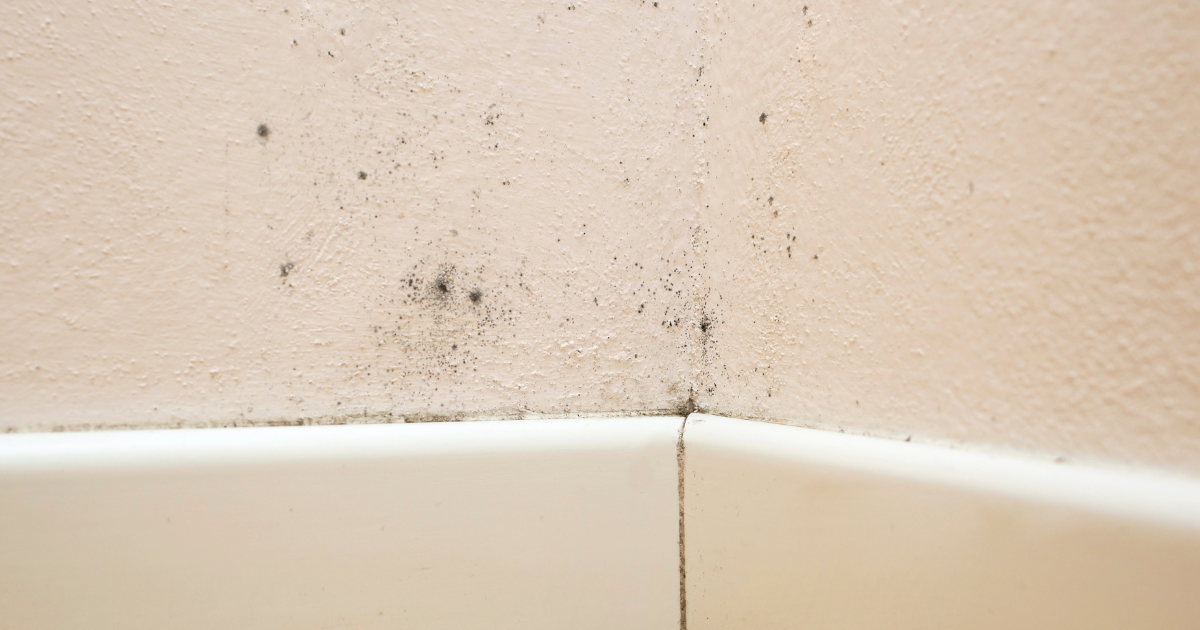
A regular home inspector typically looks for visible signs of mold or moisture damage during the inspection.
They may point out:
- Water stains
- Musty smells
- Damp walls
- Ceiling discoloration
- Peeling paint
- Condensation around windows or pipes
However, many home inspections do not include full mold testing unless you request it separately.
So when homeowners ask, can an inspector check for mold? Yes, they can, but the inspection may only cover what can be seen on the surface.
A certified mold inspector usually performs more detailed testing and moisture analysis.
What Do Inspectors Look for When Checking for Mold?
Mold inspectors focus heavily on moisture because mold needs damp conditions to grow.
They inspect areas where water problems commonly happen.
Bathrooms and Kitchens
These spaces deal with regular humidity and plumbing leaks. Inspectors often check:
- Under sinks
- Around tubs and showers
- Behind toilets
- Around dishwashers
Poor ventilation in these rooms can also increase mold growth.
Basements and Crawl Spaces
Basements are one of the most common places for mold problems.
Inspectors check for:
- Damp concrete
- Standing water
- Foundation leaks
- Humid air
- Water stains
A small basement leak can create mold growth that spreads quietly over time.
Attics
Roof leaks and trapped heat can create moisture buildup in attics.
Inspectors often look for:
- Wet insulation
- Dark spots on wood
- Poor ventilation
- Condensation near vents
HVAC Systems
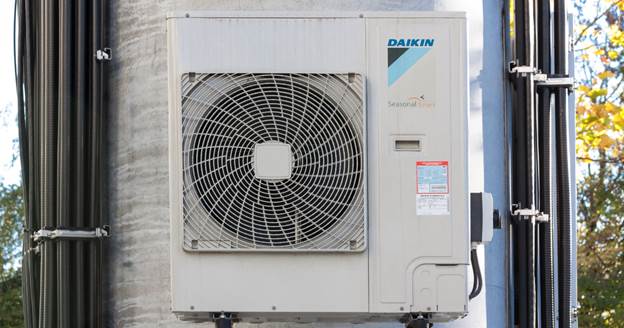
According to the CDC, mold spores can travel through heating and cooling systems. Inspectors may examine:
- Air ducts
- Air filters
- Vents
- Drip pans
This matters because mold in HVAC systems can spread spores throughout the home.
Can an Inspector Check for Mold Behind Walls?
Not directly in most cases.
Standard inspections are usually non-invasive, meaning inspectors do not cut into walls or flooring without permission.
Still, experienced inspectors can spot warning signs that suggest hidden mold may exist, including:
- Warped drywall
- Soft walls
- Bubbling paint
- Strong musty odors
- High moisture readings
Some inspectors use thermal imaging cameras and moisture meters to detect hidden moisture behind walls.
If they suspect deeper contamination, they may recommend additional mold inspection services.
What Is the Difference Between Mold Inspection and Mold Testing?
Many homeowners think these are the same thing, but they are different services.
| Mold Inspection | Mold Testing |
| Looks for signs of mold and moisture | Collects samples for lab analysis |
| Includes visual checks | Measures mold spores in air or on surfaces |
| Identifies possible problem areas | Helps confirm mold levels and types |
Mold testing can help when:
- You smell mold but cannot see it
- Family members have allergy symptoms
- The home had recent water damage
- You are buying or selling a property
Testing often includes air samples or surface samples sent to a lab for analysis.
Can an Inspector Check for Mold in the Air?
Yes, if air testing is included in the inspection.
Air sampling checks the amount of mold spores in the home compared to those in outdoor air.
High indoor spore levels may suggest hidden mold growth somewhere in the property.
Air testing can sometimes help uncover mold hiding:
- Behind drywall
- Under carpet
- Inside insulation
- Inside HVAC systems
The International Association of Certified Home Inspectors explains that air sampling can help identify mold problems that are not visible during standard inspections.
Still, air testing works best when combined with a full moisture inspection.
Signs You May Need a Mold Inspection
You do not need visible mold to justify an inspection.
Several warning signs can point to hidden problems.
Persistent Musty Smells
A damp, earthy smell often signals mold growth somewhere inside the property.
Recent Water Damage
Leaks, burst pipes, flooding, or roof problems can quickly create mold conditions.
According to the EPA, mold can start growing within 24 to 48 hours after water exposure.
Indoor Allergy Symptoms
The American Academy of Allergy, Asthma & Immunology says mold exposure may trigger:
- Sneezing
- Coughing
- Eye irritation
- Skin irritation
- Asthma symptoms
Some homeowners notice symptoms improve when they leave the house.
Visible Stains or Spots
Dark patches on ceilings, walls, vents, or flooring should never be ignored.
What Happens if Mold Is Found?
The next steps depend on how serious the problem is.
Small mold patches may only require cleaning and fixing the moisture source.
Larger infestations may require professional remediation.
A mold inspection report may include:
- Areas affected
- Moisture sources
- Severity of mold growth
- Repair recommendations
- Cleanup recommendations
For home buyers, mold findings can affect negotiations and repair requests before closing.
Can a Home Inspector Miss Mold?

Yes. Hidden mold can sometimes go unnoticed.
Mold often grows in areas inspectors cannot fully access, including:
- Behind walls
- Under flooring
- Inside insulation
- Behind cabinets
- Inside crawl spaces
That’s why specialized mold inspection services are sometimes necessary after water damage or ongoing moisture issues.
No inspection can guarantee a home is completely mold-free, but experienced inspectors can reduce the chances of missing major problems.
How Much Does Mold Inspection Cost?
Costs vary depending on the home size and the type of testing involved.
Most mold inspections cost between $300 and $1,000.
Pricing often depends on:
- Air testing
- Surface sampling
- Thermal imaging
- Number of affected rooms
- Urgent scheduling
While some homeowners try to avoid inspection costs, untreated mold problems often become far more expensive later.
Should You Get Mold Testing Before Buying a Home?
In many cases, yes.
A hidden mold problem can lead to costly repairs after moving in.
Testing is especially helpful if the property has:
- Water stains
- Basement moisture
- Roof leaks
- Poor ventilation
- Strong odors
- Past flooding history
Even newer homes can develop mold if moisture problems exist.
For buyers, professional inspections offer peace of mind before signing final paperwork.
Conclusion
So, can an inspector check for mold? Yes, but the level of inspection depends on the service you choose.
A standard home inspection may identify visible mold, moisture damage, and warning signs.
A dedicated mold inspection goes further by using moisture meters, thermal imaging, air testing, and lab analysis.
Mold problems rarely stay small for long. What starts as a hidden leak behind a wall can slowly spread through drywall, flooring, and ventilation systems over time.
If you notice damp smells, water damage, or allergy symptoms indoors, getting a professional inspection early can help you avoid bigger repair costs later.