Can Solar Panels Get Wet? Rain, Safety, and Care Tips
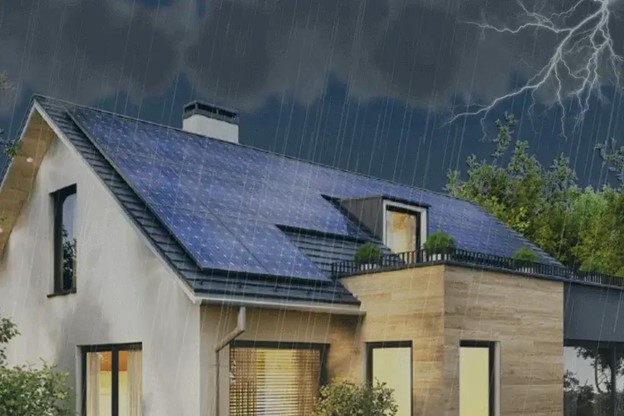
Can solar panels get wet? Learn how rain, snow, and cleaning affect performance, safety, and lifespan, plus tips to protect your solar system.
You’ve probably looked up at your roof during a heavy rain and wondered, can solar panels get wet without damage?
It’s a fair question. After all, electricity and water don’t mix in most situations.
The thing is that solar panels are built for the outdoors. They sit on rooftops for decades, facing rain, dust, snow, and heat every single day.
That’s why installers and even a good solar company Ontario plan systems with weather in mind from day one.
Still, there’s more to it than just “they’re fine in the rain.”
You should know how water interacts with your panels, what’s safe, and what actually helps performance.
Key Takeaways
- Yes, solar panels can get wet – they’re designed for it
- Rain can actually help clean your panels and improve output
- Proper installation keeps water away from wiring and sensitive parts
- Heavy storms rarely damage panels, but poor mounting can cause issues
- Regular checks and safe cleaning help your system last longer
Can Solar Panels Get Wet Without Damage?
Yes, they can. In fact, they’re made to.
Most solar panels are sealed with tempered glass and strong frames. This keeps water from getting inside the sensitive parts.
Panels are also tested to strict standards, such as IEC 61215, which assesses how they withstand rain, humidity, and temperature changes.
According to the International Electrotechnical Commission, panels must survive years of outdoor exposure before they are approved.
What protects them?
- Tempered glass surface – resists impact and water
- Sealed edges – stop moisture from entering
- Waterproof junction box – protects wiring
- Corrosion-resistant frame – prevents rust over time
So when you ask, can solar panels get wet, the answer is simple. Not only can they, but they’re expected to.
Does Rain Affect Solar Panel Performance?
Here’s something most people don’t expect. Rain can actually help your panels.
When dust and dirt build up, your panels can lose efficiency.
A study shared by the National Renewable Energy Laboratory shows that dirty panels can lose up to 25% of their output in some areas.
Rain helps by washing off:
- Dust
- Bird droppings
- Pollen
- Air pollution residue
After a good rainfall, your panels often perform better because more sunlight can reach the cells.
But there’s a small catch
On rainy days, your panels will produce less electricity. That’s not because they’re wet. It’s because there’s less sunlight.
Can Solar Panels Get Wet During Heavy Storms?
This is where people get nervous. Light rain is one thing. But what about storms?
Solar panels are built to handle:
- Heavy rain
- Strong winds
- Hail (within tested limits)
- Snow buildup
Most panels can withstand wind speeds of up to 140 mph (225 km/h), depending on installation. That’s strong enough for most storms.
But here’s the real issue. Damage during storms usually comes from:
- Poor installation
- Weak mounting systems
- Loose wiring
Not the rain itself.
So if you’re still wondering whether solar panels can get wet during storms, the answer is yes. The bigger concern is how well they were installed.
What About Snow and Ice?
If you live in colder areas like parts of Canada, snow is part of the deal.
Good news:
- Panels are angled, so snow often slides off
- Dark surfaces absorb heat and help melt snow
- Systems are tested for heavy snow loads
According to Natural Resources Canada, snow usually doesn’t cause long-term issues unless it stays for extended periods.
Quick tip
Avoid trying to scrape ice off panels. You can damage the glass. Let nature handle it.
Can Solar Panels Get Wet During Cleaning?
Yes, and cleaning is actually part of proper maintenance.
But this is where people sometimes go wrong.
Safe cleaning tips:
- Use clean water and a soft brush
- Clean early morning or late evening
- Avoid high-pressure washers
- Don’t use harsh chemicals
I’ve seen someone use a pressure washer once. It looked satisfying, but it’s risky. You can damage seals and reduce lifespan.
If you’re not comfortable, hire a professional. Many companies offering solar panels Ontario services include cleaning as part of maintenance.
How Waterproof Are Solar Panels Really?
Solar panels are not just “water-resistant.” They are designed to handle long-term exposure to moisture.
Most systems meet an IP67 or IP68 rating, which means:
- Protected from dust
- Can handle water exposure without damage
The wiring and inverter, however, are different.
Important distinction:
- Panels – waterproof and weatherproof
- Inverter and connections – need protection and proper placement
That’s why installers place inverters in sheltered areas.
Signs Water Might Be Causing a Problem
Even though panels are built for water, problems can happen. Usually, it’s due to installation issues.
Watch for:
- Sudden drop in energy output
- Visible cracks in panels
- Rust around mounting areas
- Loose cables
If you notice any of these, get your system checked.
A trusted solar company Toronto or installer can inspect and fix issues early before they get worse.
Does Water Ever Damage Solar Panels?
It’s rare, but possible.
Here’s when it can happen:
- Cracked glass allows water inside
- Poor sealing during manufacturing or installation
- Flooding affecting electrical components
According to research published by the International Energy Agency, most solar panel failures are linked to installation and electrical faults, not weather exposure.
So again, the problem isn’t that solar panels get wet. It’s how well the system is built and maintained.
How to Protect Your Solar Panels from Water Issues
You don’t need to overthink this, but a few smart steps go a long way.
Do this:
- Hire certified installers
- Schedule inspections every 1–2 years
- Keep panels clean but don’t overdo it
- Check mounts after major storms
Avoid this:
- Walking on panels
- Using harsh cleaning tools
- Ignoring small damage
A properly installed system can last 25–30 years, even with constant exposure to rain.
So, Can Solar Panels Get Wet and Still Last?
Yes, they can. And they do.
Solar panels are built to sit outside for decades. Rain, snow, and cleaning are all part of their normal life.
If anything, water helps more than it hurts. It keeps panels clean and working better.
The key thing you should focus on is quality installation and basic care. That’s what really makes the difference.
Conclusion
So, can solar panels get wet? Absolutely. They’re designed for it from the ground up.
Rain won’t damage your system. In many cases, it improves performance by washing away dirt.
Problems only show up when installation is poor or maintenance is ignored.
If you’re planning to install solar panels or already have them, keep it simple.
Choose experienced installers, check your system once in a while, and let nature do most of the cleaning.
That’s how you get the most out of your investment without stress.