When to Get Mold Inspection: Signs You Should Not Ignore

Learn when to get mold inspection, key warning signs, health risks, and timing tips to protect your home and avoid costly damage from hidden mold issues.
You don’t always see mold right away. That’s what makes it tricky. It can grow behind walls, under floors, or inside your air vents without making a big scene.
I’ve seen this happen to a friend who thought a small musty smell in his apartment was “just old building vibes.”
Two months later, his wardrobe had mold spots, and his allergies were worse than ever.
Knowing when to get mold inspection can save you money, protect your health, and prevent long-term damage to your home.
If you’re already thinking about getting help, you can check out mold inspection services early before things get out of hand. Acting early often costs less than fixing a bigger problem later.
Key Takeaway
- Don’t wait until mold is visible before you act
- Musty smells, water damage, and health symptoms are early warning signs
- The right time for inspection is often sooner than you think
- Professional testing gives you clear answers, not guesses
When to Get Mold Inspection After Water Damage
Water damage is one of the biggest triggers for mold growth. And here’s the thing most people don’t realize…
Mold can start growing in 24 to 48 hours after water exposure. That’s not a long time at all.
According to the Environmental Protection Agency, quick action after water damage is critical to preventing mold from spreading.
You should get an inspection if you’ve had:
- Flooding (even small indoor flooding)
- Roof leaks
- Burst pipes
- AC or plumbing leaks
- Overflow from sinks or toilets
Even if everything looks dry, moisture can stay trapped inside walls or under flooring.
What I’ve seen firsthand:
A small pipe leak under a kitchen sink looked harmless. But inside the cabinet walls? Mold had already spread.
When to Get Mold Inspection If You Notice a Musty Smell
This one is easy to ignore. You walk into a room and notice a damp, earthy smell.
You open a window, spray air freshener, and move on.
But that smell is often your first warning sign.
Why the smell matters:
- Mold releases compounds called microbial volatile organic compounds (MVOCs)
- These create that musty odor
- Even if you can’t see mold, it may already be growing
According to the Centers for Disease Control and Prevention, a persistent moldy smell is a strong sign of hidden growth.
If the smell keeps coming back, it’s time to stop guessing and get an inspection.
When to Get Mold Inspection If You Have Health Symptoms
Sometimes your body notices mold before your eyes do.
If you’ve been dealing with strange symptoms at home, it might not be random.
Common signs linked to mold exposure:
- Sneezing or runny nose
- Itchy eyes
- Skin irritation
- Headaches
- Breathing issues
The World Health Organization has linked indoor mold exposure to respiratory problems, especially in people with asthma or allergies.
Pay attention to this pattern:
- You feel worse at home
- Symptoms improve when you leave
That’s a big clue.
When to Get Mold Inspection Before Buying or Renting a Property
This is one step many people skip and regret later.
You walk into a nice-looking place. Fresh paint, clean floors, everything looks fine.
But paint can hide stains. And surfaces don’t tell the full story.
Before you sign anything, consider:
- Past water damage history
- Signs of recent repairs
- Strange odors
- Poor ventilation areas
A mold inspection gives you real data, not assumptions.
If you’re dealing with properties in California, many buyers now request mold inspection Los Angeles services before closing deals. It’s becoming standard practice.
When to Get Mold Inspection in Older Buildings
Older homes have charm. But they also come with hidden issues.
Over time, materials wear down, and moisture control becomes weaker.
Why older buildings are higher risk:
- Aging pipes can leak slowly
- Older insulation traps moisture
- Poor ventilation in bathrooms and basements
- Roof wear over time
Even if you’ve lived there for years without problems, things can change quietly.
Getting periodic inspections is a smart move.
When to Get Mold Inspection After Renovation or Repairs
You’d think fixing your home removes risk. But sometimes, it actually creates new ones.
Construction work can expose hidden mold or trap moisture if not done right.
Watch for these situations:
- Wall openings during renovation
- New drywall installation
- Poor drying after repairs
- HVAC system changes
I once saw a freshly renovated room start smelling musty within weeks. Turns out, moisture got sealed inside the wall during the build.
When to Get Mold Inspection If You See Visible Signs
This is the obvious one. But even here, people still hesitate.
If you see mold, don’t assume it’s just surface-level.
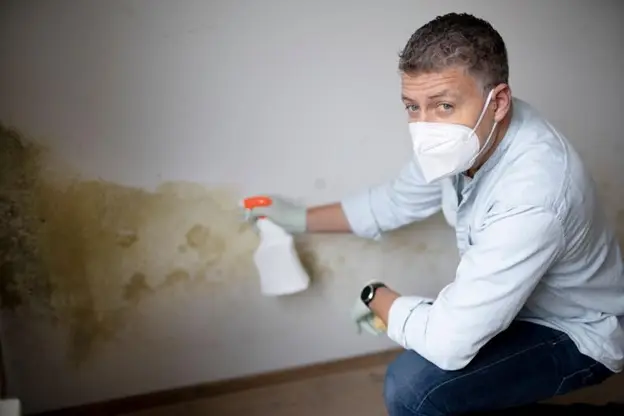
Visible mold can look like:
- Black, green, or white spots
- Fuzzy patches
- Stains that keep spreading
Here’s the important part:
- What you see is often just a small part
- Mold may already be growing behind surfaces
That’s where mold testing Los Angeles services come in handy. They help confirm how far the issue has spread.
When to Get Mold Inspection in High-Humidity Areas
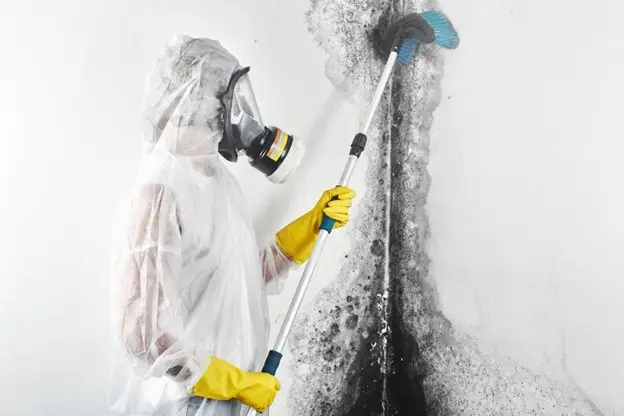
Humidity is mold’s best friend.
If your home stays damp, mold doesn need much encouragement.
Areas to watch closely:
- Bathrooms without proper ventilation
- Kitchens with steam buildup
- Basements
- Laundry rooms
According to the National Institute of Environmental Health Sciences, indoor humidity should stay below 50% to reduce mold growth.
If your home feels damp often, an inspection can catch problems early.
How Often Should You Think About When to Get Mold Inspection
There’s no one-size answer here. But there are smart guidelines.
Consider inspections:
- After any water event
- Every 1–2 years in older homes
- Before buying or renting
- When symptoms or smells appear
Think of it like checking your car. You don’t wait for a breakdown before taking action.
What Happens During a Mold Inspection
If you’ve never done this before, here’s what to expect.
A proper inspection is more than just looking around.
Professionals typically:
- Check visible areas
- Use moisture meters
- Take air or surface samples
- Look inside walls or hidden spaces
You get a report that tells you:
- If mold is present
- The type of mold
- The level of contamination
- What steps to take next
This removes guesswork completely.
Conclusion
Knowing when to get mold inspection is less about waiting for obvious signs and more about paying attention early.
If you notice smells, health changes, water damage, or anything that feels off, don’t brush it aside.
Mold problems rarely fix themselves. They grow quietly until they become expensive and harder to control.
A timely inspection gives you clarity. And once you know what you’re dealing with, you can take the right steps with confidence.