Lorem Ipsum has been the industry’s standard dummy text ever since the 1500s, when an unknown printer took a galley of type and scrambled it to make a type specimen book. It has survived not only five centuries, but also the leap into electronic typesetting, remaining essentially unchanged

Gadgets

Does battery replacement improve performance in cars? Learn when a new battery helps, when it doesn’t, and how it affects starting, electronics, and reliability.

Replacing a car battery can have several benefits for your vehicle.

A new battery can improve starting performance and increase the reliability of your car’s electrical systems.

This can lead to better fuel efficiency, longer service life for the alternator and starter, and a smoother overall driving experience.

Current reports indicate that most car batteries last 3 to 5 years before their performance begins to decline.

As batteries age, they lose their ability to deliver consistent power, leading to hard starts, electrical problems, and unexpected breakdowns.

If you’ve noticed your vehicle struggling to start or your lights becoming dimmer, you may wonder does battery replacement improve performance?

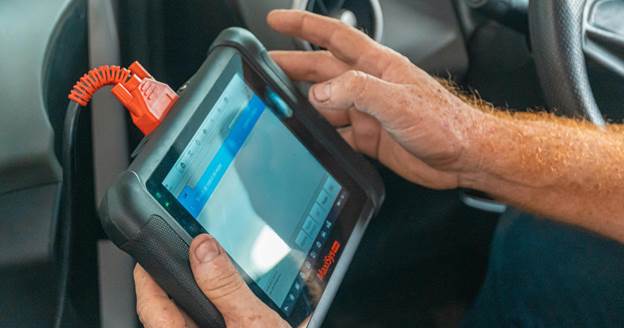
Many drivers contact a 24 hour mobile mechanic when these symptoms appear because battery issues often show up without warning.

A battery replacement can improve certain aspects of vehicle performance, but it will not magically increase horsepower or make an aging engine run like new.

Quick Answer

It depends on what you mean by “performance.”

When people search for “does battery replacement improve performance in cars,” they are often referring to one of these situations:

  • The vehicle starts slowly.
  • Electronics are acting strangely.
  • Warning lights appear on the dashboard.
  • The engine struggles during startup.
  • The car feels less reliable than before.

A new battery can solve many of these problems if the battery is the root cause.

Modern vehicles rely heavily on electronics.

The battery powers the starter motor and supports the vehicle’s electrical system.

If the battery becomes weak, many systems may not receive the voltage they need to operate properly.

What Does a Car Battery Do?

Many drivers assume the battery only starts the engine.

In reality, the battery helps power:

  • Engine control modules
  • Sensors
  • Dashboard electronics
  • Navigation systems
  • Security systems
  • Power windows
  • Interior and exterior lighting

Once the engine is running, the alternator takes over much of the electrical load while also recharging the battery.

If the battery is weak, however, the entire system can become less stable.

This is why electrical issues often appear before complete battery failure.

How a New Battery Can Improve Vehicle Performance

Does battery replacement improve performance

A battery replacement may improve performance in several noticeable ways.

1. Faster and More Reliable Starts

One of the most obvious benefits is quicker engine starting.

A weak battery struggles to provide enough power to the starter motor.

This can result in slow cranking or repeated attempts to start the vehicle.

A fresh battery restores proper starting power, especially during cold weather.

2. Better Electrical System Operation

Modern vehicles depend on a stable voltage.

When the voltage drops, you may notice:

  • Flickering lights
  • Slow power windows
  • Dashboard warning lights
  • Radio resets
  • Sensor errors

Replacing a failing battery often eliminates these symptoms immediately.

3. Improved Reliability

Drivers frequently ask whether replacing the battery improves car performance to avoid breakdowns.

A new battery significantly reduces the chances of getting stranded due to a no-start condition.

Vehicle batteries should be tested regularly after the three-year mark, as performance can decline significantly with age and environmental conditions.

What a New Battery Will Not Improve

This is where many drivers become disappointed.

If you’re expecting dramatic gains in acceleration or fuel economy, a battery replacement is unlikely to provide them.

A new battery will not fix:

  • Engine wear
  • Transmission problems
  • Fuel system issues
  • Spark plug failures
  • alternator repair needs
  • belt replacement issues

For example, if your alternator is failing, installing a new battery may only provide temporary relief before the same symptoms return.

That is why many technicians test both the battery and the charging system together.

Signs Your Battery May Be Causing Performance Problems

Watch for these warning signs:

Common Symptoms

  • Slow engine cranking
  • Dim headlights
  • Battery warning light
  • Frequent jump starts
  • Clicking sounds during startup
  • Electrical glitches
  • Battery older than 3 years

If you notice these symptoms, searching for “Battery replacement near me” can help you arrange testing before a complete failure.

Battery vs Alternator: Knowing the Difference

Many people replace batteries when the real problem is the alternator.

Here’s a simple comparison:

Battery ProblemAlternator Problem
Slow startsBattery warning light stays on
Needs jump startsBattery repeatedly dies
Weak electrical power before startupElectrical issues while driving
Old battery ageCharging system failure

If your vehicle keeps draining batteries, you may need alternator repair instead of another battery.

A professional inspection can quickly determine which component is responsible.

When Should You Replace Your Battery?

Most experts recommend replacement when:

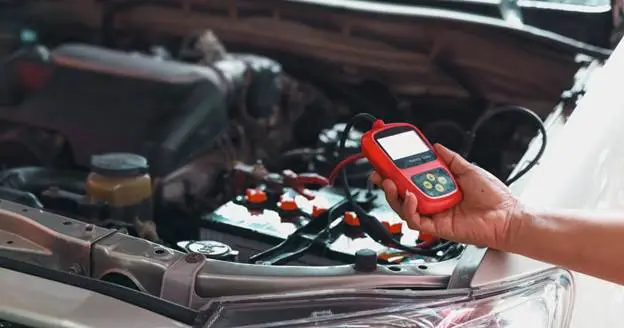
  • The battery fails a load test.
  • Battery age reaches 3-5 years.
  • Repeated starting issues occur.
  • Visible corrosion or swelling appears.

Industry data shows that many automotive batteries begin showing noticeable degradation after the three-year mark.

Drivers in colder climates, such as those seeking battery replacement Edmonton services, often replace batteries proactively before winter, as winter places additional stress on the electrical system.

Professional Battery Replacement Options
Does battery replacement improve performance

Convenience has changed how many drivers handle battery problems.

Instead of towing a vehicle to a shop, many people search for:

  • mobile mechanic near me
  • mobile mechanic Edmonton
  • mobile mechanic open now
  • 24 hour mobile mechanic
  • auto repair near me

Mobile services can test the battery, inspect the charging system, and install a replacement at your location.

This approach is especially helpful when a dead battery leaves the vehicle unable to start.

Conclusion

So, does battery replacement improve performance in cars?

In many cases, yes, but only in the areas directly affected by battery health.

A new battery can restore faster starts, improve electrical system stability, eliminate voltage-related issues, and increase overall reliability.

However, it will not add horsepower or solve unrelated mechanical problems.

If your vehicle has been showing signs of electrical weakness, testing the battery is one of the smartest and most affordable diagnostic steps you can take.

When battery health is the issue, replacing it can make your vehicle feel dependable again and help prevent costly roadside breakdowns.


Gadgets

Are translation glasses real? Learn how they work, real products, limits, costs, and whether smart glasses can truly translate speech in real time today.

You’ve probably seen videos of someone wearing sleek glasses while subtitles appear right in front of their eyes. It looks like magic.

You hear a foreign language, and boom, you understand it.

So naturally, you ask: are translation glasses real, or is this just clever marketing?

Yes, they are real. But the full picture is a bit more layered than those viral clips make it seem.

Before we get into the tech side, one quick note. If you’re dealing with official documents or business communication, tools like Espresso Translations still matter.

For example, you might come across services like Agenzia di traduzione Milano (translation agency Milan), which focus on accuracy and human expertise rather than automation.

Now, let’s look at what these glasses can actually do today.

Key Takeaway

  • Yes, translation glasses are real, and you can buy some today
  • They use AI, speech recognition, and augmented reality (AR)
  • They work best for simple, clear conversations
  • Accuracy still depends on noise, accents, and language complexity
  • For business or legal use, human translation is still more reliable

How translation glasses actually work

At the core, translation glasses combine a few technologies you may already know:

  • Speech recognition – turns spoken words into text
  • Machine translation – converts that text into another language
  • Augmented reality (AR) – displays the translated text on your lenses

Companies like Google and Meta have been pushing this space forward with smart glasses and AR tools.

Here’s a simple breakdown of what happens when someone speaks:

  1. The glasses (or connected phone) capture audio
  2. AI converts speech into text
  3. That text is translated instantly
  4. The result shows as subtitles in your field of view

If you’ve ever used Google Translate voice mode, you’ve already seen a basic version of this.

The glasses just make it hands-free and more natural.

Are translation glasses real in everyday use?

This is where things get interesting.

Yes, translation glasses exist, but they are not perfect yet. You won’t get flawless, movie-like subtitles in every situation.

Here’s what works well:

  • One-on-one conversations
  • Clear speech and standard accents
  • Common languages like English, Spanish, French, or Chinese

And here’s where they struggle:

  • Crowded or noisy places
  • Heavy accents or slang
  • Fast speakers
  • Technical or industry-specific language

A study from Stanford University shows that speech recognition accuracy can drop significantly in noisy environments, directly affecting translation quality.

So yes, translation glasses are real, but they are still improving.

Real products you can find today

Are translation glasses real

You’re not just looking at prototypes anymore. A few companies have released working products.

1. XRAI Glass

This one is known for live subtitles, especially for people who are deaf or hard of hearing.

  • Shows real-time captions
  • Supports multiple languages
  • Works with AR glasses like Nreal

2. Ray-Ban Meta Smart Glasses

Built with Meta, these glasses focus more on AI features, with translation on the roadmap.

  • Voice assistant built-in
  • Real-time translation features expanding
  • Stylish design compared to older smart glasses

3. Google AR Glasses (prototype stage)

Google showed a demo where subtitles appear during conversations.

  • Still not widely available
  • Strong AI backing
  • Likely to shape future versions of translation glasses

Are translation glasses real enough for travel?

If you travel often, these glasses can actually help you.

Picture this. You land in Italy. You’re ordering food, asking for directions, or checking into a hotel.

Instead of pulling out your phone every time, the glasses:

  • Show instant subtitles
  • Help you respond faster
  • Reduce awkward pauses

But keep your expectations realistic.

You’ll still need patience, especially if:

  • The person speaks quickly
  • There’s background noise
  • The phrases are not common

For casual travel, though, they can be a big help.

Translation glasses vs professional translation services

Now let’s be clear on something important.

There’s a huge difference between:

  • Real-time AI translation
  • Professional human translation

If you’re dealing with:

  • Contracts
  • Legal documents
  • Medical reports
  • Business negotiations

You should not rely on glasses alone.

That’s where services like Servizi di traduzione Milano (translation services Milan) come in.

Human translators understand tone, context, and cultural meaning in a way machines still struggle with.

According to the American Translators Association, machine translation is improving, but it still requires human review for accuracy in critical content.

Cost of translation glasses

Let’s talk money, because this is where many people hesitate.

Prices vary depending on the brand and features:

  • Basic setups: $300 to $600
  • Mid-range AR glasses: $600 to $1,000
  • Advanced or bundled systems: $1,000+

And sometimes, you’ll need:

  • A smartphone connection
  • Subscription apps for translation services

So while translation glasses are real, they are still an investment.

What’s improving right now

Are translation glasses real

This space is moving fast. Here’s what you can expect to get better soon:

1. Better accuracy

AI models are improving with more data and better training.

2. More language support

Right now, major languages dominate. Smaller languages are being added gradually.

3. Offline translation

This is a big one. Many devices still rely on internet access.

4. Natural conversation flow

Future versions aim to reduce delays, so conversations feel smoother.

Research from MIT shows that advances in AI language models are already improving real-time translation quality year after year.

Should you buy translation glasses now?

This depends on how you plan to use them.

You should consider them if:

  • You travel often
  • You attend international events
  • You enjoy trying new tech
  • You want hands-free translation

You may want to wait if:

  • You need high accuracy for work
  • You’re on a tight budget
  • You expect perfect, instant results

From personal experience, the first time you see subtitles appear in front of your eyes, it feels almost unreal.

But after a few conversations, you notice the small delays and occasional mistakes.

That doesn’t make them useless. It just means they are still growing.

So, are translation glasses real or overhyped?

They’re real. No question about that.

But they sit somewhere in the middle:

  • Not science fiction
  • Not perfect either

Think of them as helpful assistants, not replacements for real language skills or professional translators.

Conclusion

Translation glasses are no longer just an idea. You can buy them, use them, and get real value from them, especially in travel and casual conversations.

But you need to use them with the right expectations.

  • They are improving, but not flawless
  • They work best in simple situations
  • They still rely on strong AI and good audio input

If you’re curious about new tech, they’re worth exploring. If accuracy matters deeply, especially for business or legal work, human translation is still the safer choice.

And if you’re asking again, are translation glasses real? Yes. Just not as perfect as the internet sometimes makes them look.

Gadgets

Are translation earbuds worth it? Honest look at accuracy, cost, and when they help. Real stats, tests, and clear advice for travelers and professionals.

“I tried translation earbuds in Tokyo and they turned a 20-minute grocery chat into a smooth exchange.”

That first awkward moment made me wonder: are these tiny gadgets actually useful or just neat toys?

If you need fast help with foreign phrases on a trip, or quick work chats with people who speak other languages, translation earbuds can save time.

But they do not replace human translators for tricky or legal talks.

If you want professional written work, check Translation agency London for certified help.

How translation earbuds work

Most earbuds that translate use your phone plus cloud translation engines.

Here’s the simple flow:

  • One person speaks.
  • The earbud picks up the sound and sends it to an app.
  • The app turns speech into text, translates the text, and sends back audio.

That loop can be fast, but it depends on your internet and how clearly people speak.

Real-time speech-to-speech is harder than typed translation because of accents, background noise, and slang.

Accuracy: What to expect

Are translation earbuds worth it

Translation earbuds are good for short, clear sentences. They usually do fine with everyday phrases like greetings, directions, or menu items. But accuracy drops with:

  • Long or complex sentences.
  • Strong accents or slang.
  • Technical or legal terms.

Reports and expert analysis show live translation still struggles with speech recognition and complex grammar, so you should not trust it for contracts or medical talks.

Which tasks are earbuds great for

Use them when you need quick, informal help:

  • Traveling and ordering food.
  • Short chats with locals.
  • Basic customer service in shops or hotels.

They save time and feel less awkward than waving your phone around. But keep expectations low for complicated conversations.

When you should still get a human translator

Do not use earbuds when accuracy matters:

  • Legal agreements and contracts.
  • Medical consultations.
  • Official business meetings where tone and nuance matter.

A trained human translator or interpreter understands context, tone, and local conventions in ways machines still miss.

For certified work, hire professionals.

Battery, privacy, and cost to consider

Think about these practical things:

  • Battery life: Continuous translating drains earbuds faster than music.
  • Privacy: Voice data often goes to cloud servers for processing.
  • Cost: Good translator earbuds range from mid to high price. Cheaper models may be less accurate.

If privacy or battery matters, a human translator or a local agency might be a safer choice.

A closer look at the tech

There are three steps behind the scenes:

  1. Speech recognition: The device turns your spoken words into text. This part struggles with accents or people talking fast.
  2. Machine translation: The app converts that text into another language using big models from firms like Google, DeepL, or Microsoft.
  3. Text-to-speech: The app reads the translation out loud.

Each step adds room for mistakes. If the speech recognition fails, the translation is wrong before it even starts.

If the machine translation has trouble with slang or cultural phrases, it may give a literal but awkward result.

Some manufacturers combine multiple engines to get better results, which can help in more languages or accents.

Still, tests show human-level nuance is hard to reach.

Real examples you can relate to

Ordering food: You can say a simple dish name and the earbud will translate fine. That is a win for travel.
Asking for directions: Works well if you speak slowly and clearly.
Job interview or legal talk: Not safe. Machines miss context and tone that matter.

How well top models perform

Independent testers, like Certified Lanhuages International, who tried several models report mixed results: some earbuds handle quiet conversations well, others struggle in noisy places.

One hands-on test showed the best earbud models worked for daily phrases but still failed on complex speech.

This means you should test any device in real settings before you depend on it.

Price and options (what you will pay)

Prices change, but expect these ranges:

  • Budget options: under $100. Basic, less accurate.
  • Mid-range: $100–$300. Better mics and software.
  • High-end dedicated translators: $300+. More languages and better accuracy.

If you spend more, you often get better microphones, longer battery life, and more reliable updates.

A note on market trends and future outlook

The market for translation devices is growing fast.

Mordorintelligence estimates that the language translation device market will expand over the next decade, pushing makers to improve accuracy, battery life, and noise handling.

That means gadgets will get better, but the technology still needs time to match a trained human in tricky settings.

Pros and cons

Are translation earbuds worth it

Pros:

  • Instant help for simple chats.
  • Hands-free and polite in public.
  • Good for travel and quick customer exchanges.

Cons:

  • Not reliable for complex or legal content.
  • Accuracy drops with accents and noise.
  • Privacy and battery concerns.

Practical buying tips

If you decide to buy:

  1. Look for models that use proven translation engines and have recent firmware updates.
  2. Read real user tests for noisy environments.
  3. Choose devices that give options for manual transcription if needed.
  4. Test them in stores or return-friendly sites so you can try real conversations. Also, watch for new models. Companies keep improving accuracy with better microphones and software.

Quick checklist before you rely on them

  • Try them in the place you will use them (quiet vs noisy).
  • Check if your language pair is supported and tested.
  • Look for clear return or trial policies.
  • Keep a backup plan: a translation app on your phone or contact a professional agency. Always.

Conclusion: are translation earbuds worth it?

Yes, but only for casual needs. You get real value if you travel a lot, talk to people in simple exchanges, or need quick language help on the go.

No, they are not a replacement for trained translators when accuracy, tone, or legal safety matter.

I say this because these tools still make mistakes, especially under noise or with complex ideas, and that can cost you more than the gadget.

If you want a low-effort way to speak basic phrases, try earbuds and learn their limits.

If you must be exact, use a professional service.