Can You Get a Credit Union Loan on Benefits Today?
Want to know can you get a credit union loan on benefits? Read eligibility rules, approval factors, income requirements, and ways to improve your chances here!
More than 144.7 million people in the United States are members of federally insured credit unions, and membership continues to grow each year.
Credit unions added 2.4 million members in 2025 alone, showing that many people see them as an affordable alternative to traditional banks.
If you’re receiving government benefits and need to borrow money, you may wonder: Can you get a credit union loan on benefits?
The good news is that many credit unions look at your overall financial situation rather than focusing on employment alone.
Regular benefit payments can sometimes be considered income during the application process.
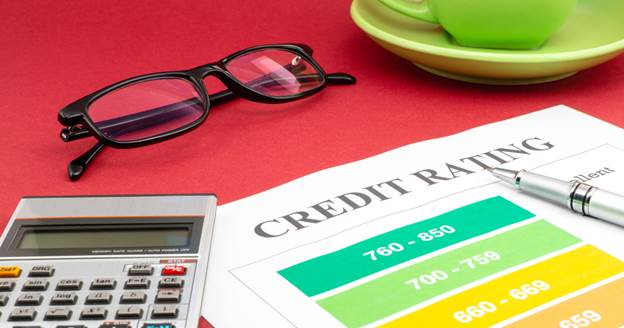
Before applying, it is also helpful to understand the credit score needed for a credit union loan, as your credit history can affect both approval chances and borrowing costs.
Can You Get a Credit Union Loan on Benefits?
Yes, many credit unions may consider benefit income when reviewing a loan application.
Benefits that could be accepted include:
- Disability benefits
- Retirement or pension income
- Veterans benefits
- Survivor benefits
- Certain long-term government assistance programs
However, every institution has its own policies.
A credit union will usually want evidence that your income is regular, reliable, and likely to continue throughout the loan term.
When people ask, “can you get a credit union loan on benefits,” the answer often depends on whether the benefits provide enough income to cover loan repayments comfortably.
Why Credit Unions May Be More Flexible Than Banks
Credit unions operate differently from traditional banks.
They are member-owned financial cooperatives rather than profit-driven corporations.
This structure often allows them to take a broader view of an applicant’s finances.
Recent National Credit Union Administration (NCUA) data shows that federally insured credit unions held $2.43 trillion in assets and $1.72 trillion in loans at the end of 2025, demonstrating the sector’s strength and stability.
Instead of focusing only on employment status, many lenders review:
- Income consistency
- Existing debts
- Credit history
- Account management habits
- Length of membership
This approach can create opportunities for borrowers whose primary income comes from benefits.
Credit Union Loan Eligibility: What Lenders Look For
Meeting credit union loan eligibility requirements involves more than proving income.
Most credit unions evaluate several factors:
Income Stability
Lenders want confidence that payments will continue.
For benefit recipients, this may involve providing:
- Award letters
- Recent statements
- Bank deposit records
Debt-to-Income Ratio
Your debt-to-income (DTI) ratio compares monthly debt payments to monthly income.
A lower DTI shows that you have enough money left after paying existing obligations.
Credit History
A strong credit record can improve approval chances and help secure lower borrowing costs.
Even if your income comes from benefits, lenders may still review:
- Payment history
- Credit utilization
- Existing loans
- Recent inquiries
Membership Requirements

Many credit unions require membership before lending.
Membership may be based on:
- Employer affiliation
- Geographic area
- Family relationships
- Community organizations
Credit Union Loan Requirements You Should Expect
While requirements vary, most lenders ask for similar documents.
Common credit union loan requirements include:
- Proof of identity
- Proof of address
- Benefit income documentation
- Bank account details
- Credit authorization
- Membership qualification documents
Having these documents ready can speed up the application process and reduce delays.
How the Credit Union Loan Approval Process Works
The credit union loan approval process is often straightforward.
Step 1: Become a Member
If you are not already a member, you may need to open an account.
Step 2: Submit an Application
You provide personal details, income information, and the amount you wish to borrow.
Step 3: Verification
The lender reviews:
- Income records
- Credit reports
- Existing debts
- Account history
Step 4: Underwriting
The credit union assesses risk and determines whether the loan is affordable.
Step 5: Decision
Some decisions are made within hours, while others may take several business days.
Understanding the credit union loan approval process can help you prepare realistic expectations before applying.
Types of Loans Available to Benefit Recipients
The loan options available depend on your financial profile and the lender’s policies.
Credit Union Personal Loans
Many borrowers receiving benefits apply for credit union personal loans to cover:
- Emergency expenses
- Home repairs
- Medical bills
- Debt consolidation
These loans are often unsecured, meaning no collateral is required.
Credit Union Auto Loans
If you need transportation, credit union auto loans may be available even when your primary income comes from benefits.
The vehicle itself often serves as collateral, reducing lender risk.
Because of this added security, approval standards can sometimes be more flexible than those of unsecured loans.
How Benefit Income Can Affect Interest Rates
Approval does not always guarantee the lowest rates.
Credit union loan interest rates are typically influenced by:
- Credit score
- Income level
- Loan amount
- Loan term
- Debt-to-income ratio
Borrowers with stronger credit profiles generally qualify for lower rates.
According to recent NCUA data, credit unions continue to maintain healthy loan growth, which supports competitive loan offerings for members.
Loans outstanding increased by 4.6% during 2025.
How to Improve Your Chances of Approval

If you are worried about qualifying, there are several steps you can take.
Build Your Credit Score
Pay bills on time and reduce outstanding balances whenever possible.
Lower Existing Debt
Reducing monthly obligations can improve your debt-to-income ratio.
Apply for a Smaller Loan
A lower loan amount may be easier to approve.
Maintain Stable Banking Records
Consistent deposits and responsible account management can strengthen your application.
For many applicants who ask, “Can you get a credit union loan on benefits?” these practical improvements can make a meaningful difference during underwriting.
Conclusion
Can you get a credit union loan on benefits?
In many cases, yes.
Credit unions often consider benefit income in their lending decisions, provided the income is stable and sufficient to support repayments.
Your chances of approval depend on several factors, including credit history, debt levels, income reliability, and membership status.
Meeting credit union loan eligibility standards before applying can help you present a stronger application.
If you’re considering credit union personal loans for everyday expenses, preparing your finances in advance can improve your approval odds and help you access better credit union loan interest rates.