Finance

Are janitorial services taxable? Learn when sales tax applies, how rules vary by state, and what cleaning businesses should know about compliance.

If you ask ten business owners whether cleaning services are taxed, you may get ten different answers.

Some assume all services are tax-free. Others believe every Invoice should include sales tax. The truth sits somewhere in the middle.

So, are janitorial services taxable? The answer depends largely on where the service is performed.

In the United States, sales tax laws vary by state. Some states charge sales tax on janitorial and cleaning services, while others do not.

A few states even have different rules depending on the type of property being cleaned.

This creates confusion for cleaning companies, property managers, and business owners who hire janitorial providers.

A cleaning invoice that is taxable in one state may be completely tax-exempt in another.

For example, a company providing janitorial services St. George Utah must follow Utah’s tax requirements, which may differ from neighboring states.

That is why understanding local tax laws is just as important as understanding cleaning contracts and pricing.

Before you issue invoices or hire a janitorial company, it helps to know how sales tax rules work and what factors determine whether janitorial services are taxable.

Are Janitorial Services Taxable?

In many states, yes, janitorial services are taxable.

However, there is no single federal rule that applies across the country. Sales tax is generally regulated at the state level.

This means each state decides whether cleaning services are subject to tax.

For example:

  • Some states tax commercial cleaning services.
  • Some states tax both residential and commercial cleaning.
  • Some states exempt janitorial services entirely.
  • Some states apply tax only under certain conditions.

Because of these differences, cleaning companies should verify requirements with their state’s tax authority rather than assuming the rules are the same everywhere.

According to the Sales Tax Institute, states have significant flexibility when determining which services are taxable, leading to wide variations across the country.

Why Are Janitorial Services Taxed in Some States?

Are janitorial services taxable

Historically, sales taxes focused mainly on physical products. Over time, many states expanded taxation to include certain services.

Janitorial services are often considered taxable because they are viewed as a service performed on real property.

State governments may tax these services because:

  • They generate tax revenue.
  • They support public programs and infrastructure.
  • They create consistency between similar service industries.

For example, if a state taxes landscaping, pest control, and maintenance services, it may also choose to tax janitorial work.

What Types of Janitorial Services May Be Taxable?

The exact rules vary, but these services are commonly subject to sales tax in states that tax cleaning services:

Commercial Office Cleaning

This includes:

  • Dusting
  • Vacuuming
  • Trash removal
  • Restroom cleaning
  • Breakroom sanitation

Commercial cleaning is one of the most commonly taxed janitorial services.

Floor Care Services

Some states tax:

  • Floor stripping
  • Waxing
  • Buffing
  • Carpet cleaning

These services are often classified as maintenance rather than general labor.

Specialized Cleaning

Examples include:

  • Post-construction cleanup
  • Industrial cleaning
  • Warehouse cleaning
  • Medical facility cleaning

Whether these services are taxable depends on state regulations.

Are Residential Cleaning Services Taxable?

This is where things become more complicated.

Some states tax residential cleaning the same way they tax commercial cleaning.

Other states exempt residential services entirely.

For example, a house cleaning company may need to collect sales tax in one state but not in another.

Before hiring a cleaning company, it is worth asking:

  • Is sales tax included in the quote?
  • Is the company registered to collect sales tax?
  • Will additional tax be added later?

Getting answers upfront helps avoid surprises when the final Invoice arrives.

States Have Different Rules

One of the biggest mistakes cleaning business owners make is assuming neighboring states have similar requirements.

That is not always true.

A business operating in multiple states may face different obligations in each location.

For example:

SituationTax Treatment
State A taxes cleaning servicesSales tax must be collected
State B exempts cleaning servicesNo sales tax required
State C taxes commercial but not residential cleaningDepends on the customer type

The Tax Foundation notes that states have broad authority to structure their own sales tax systems, which is why service taxation varies significantly across the country.

When Janitorial Services May Not Be Taxable

There are situations where janitorial services may be exempt.

Possible exemptions include:

Government Contracts

Some government agencies qualify for tax exemptions.

Nonprofit Organizations

Certain nonprofit organizations may be exempt from paying sales tax if they meet state requirements.

Specific Service Exemptions

Some states provide exemptions for:

  • Residential services
  • Certain maintenance contracts
  • Specialized cleaning activities

The requirements vary, so documentation is often necessary.

Do Janitorial Companies Need a Sales Tax Permit?

If janitorial services are taxable in a state, the cleaning company generally must register for a sales tax permit.

This allows the business to:

  • Collect sales tax from customers
  • File tax returns
  • Remit collected taxes to the state

Operating without the required permit can lead to:

  • Penalties
  • Interest charges
  • Back taxes

Many states provide registration information through their departments of revenue or taxation.

How Should Sales Tax Appear on a Cleaning Invoice?

A professional janitorial invoice should clearly show:

  • Service charges
  • Applicable sales tax
  • Total amount due

For example:

Office Cleaning Service: $500

Sales Tax (6%): $30

Total Invoice: $530

Separating the tax from the service fee creates transparency and makes accounting easier for both parties.

Common Mistakes Cleaning Businesses Make

Understanding whether janitorial services are taxable is only part of the process. Businesses also need proper procedures.

Common mistakes include:

Not Researching State Requirements

Assuming services are tax-free can create expensive problems later.

Charging Tax Incorrectly

Collecting tax when it is not required can upset customers and create compliance issues.

Failing to Maintain Records

Businesses should keep:

  • Invoices
  • Tax filings
  • Exemption certificates
  • Customer records

Good documentation helps during audits.

Ignoring Changes in Tax Laws

Tax regulations change periodically.

The Internal Revenue Service (IRS) recommends maintaining accurate business records and staying current with tax obligations.

How Business Owners Can Verify Taxability

Are janitorial services taxable

If you hire a janitorial company, don’t assume the Invoice is correct automatically.

Consider:

  1. Asking whether sales tax is included.
  2. Reviewing local tax requirements.
  3. Confirming the company’s tax registration if required.
  4. Requesting an itemized invoice.

A few minutes of verification can prevent disputes later.

Frequently Asked Questions

Are janitorial services taxable in every state?

No. Some states tax janitorial services, while others exempt them. Rules vary widely.

Are commercial cleaning services usually taxable?

In many states, yes. Commercial cleaning is often more likely to be taxed than residential cleaning.

Are residential cleaning services taxable?

It depends on the state. Some states tax residential cleaning, while others do not.

Who is responsible for collecting sales tax?

Typically, the janitorial company is responsible for collecting and remitting sales tax when required by state law.

Can nonprofits avoid paying sales tax on cleaning services?

Possibly. Some nonprofits qualify for exemptions, but eligibility depends on state rules and proper documentation.

Conclusion

So, are janitorial services taxable? In many cases, yes, but not everywhere.

The key factor is location. State tax laws determine whether janitorial services are taxable, exempt, or taxable only under specific circumstances.

Because rules vary from state to state, cleaning companies and customers should verify local requirements before issuing or paying invoices.

If you operate a janitorial business, staying compliant means understanding your state’s tax regulations, obtaining required permits, maintaining accurate records, and regularly reviewing tax rules.

A little attention today can prevent costly tax issues tomorrow.
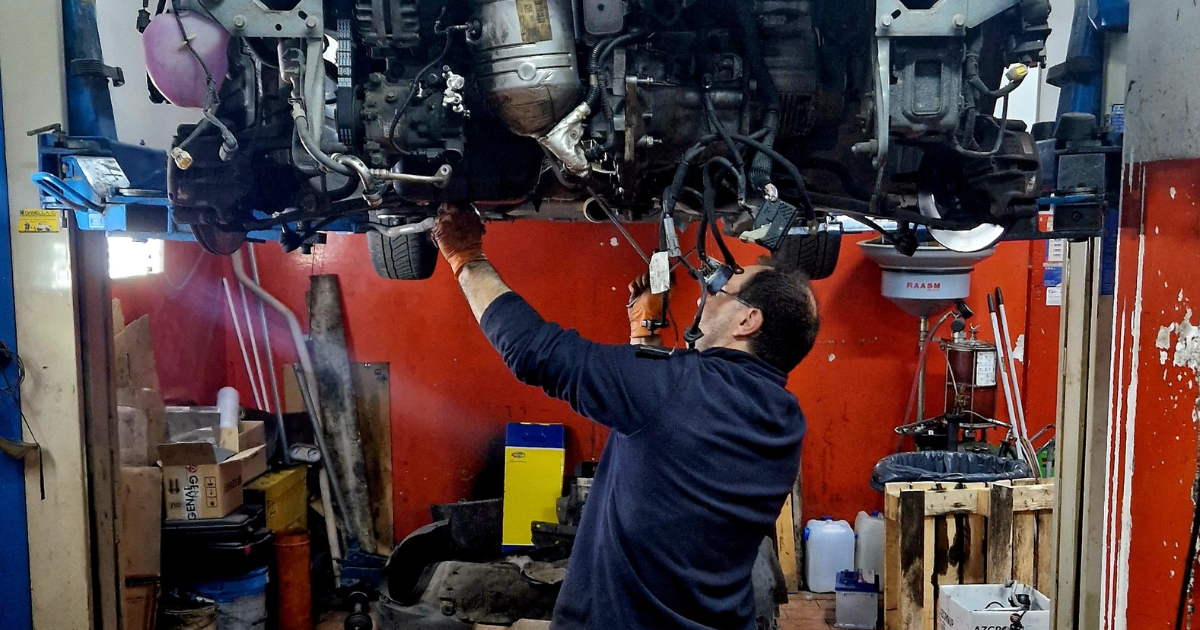
Finance

Can mechanic claim tools taxes in 2026? Learn who qualifies, what tools you can deduct, limits, and how to avoid common IRS mistakes.

If you work with your hands every day, you already know tools aren’t cheap.

One minute you’re buying a socket set, next thing you’re pricing a diagnostic scanner that costs more than your first car.

So it’s normal to ask: can mechanic claim tools taxes?

Before we get into the details, take note of this:

If you’re running or working with a service like Car Repair and Maintenance Service Athens GA, the way taxes apply can change depending on your setup (employee vs self-employed).

I’ve seen mechanics leave serious money on the table just because they didn’t know what counts as a deduction.

Let’s fix that.

Can Mechanic Claim Tools Taxes as an Employee?

This is where many mechanics get tripped up.

The reality today:

  • Most employees cannot deduct tools anymore
  • This changed under the Tax Cuts and Jobs Act (TCJA)

According to the IRS (see the official guidance on miscellaneous deductions), unreimbursed employee expenses, including tools, are currently not deductible on federal returns.

What this means for you:

If you are:

  • A full-time mechanic working for a shop
  • Buying your own tools
  • Not reimbursed by your employer

You likely cannot claim those tools on your federal taxes.

A small exception

Some states still allow deductions on state tax returns. For example:

  • California
  • New York
  • Pennsylvania

So always check your state rules.

Can Mechanic Claim Tools Taxes if Self-Employed?

Now this is where things change — and in a good way.

If you:

  • Own your own shop
  • Work as a freelance mechanic
  • Run a mobile mechanic business

Then yes, you can claim tools taxes.

According to the IRS guide on business expenses, tools are considered ordinary and necessary expenses and are therefore deductible.

What counts as deductible tools?

You can usually write off:

  • Hand tools (wrenches, screwdrivers, pliers)
  • Power tools (impact guns, drills)
  • Diagnostic equipment
  • Toolboxes and storage units
  • Specialty tools for certain repairs

If you use it for work, it likely qualifies.

Can Mechanic Claim Tools Taxes Using Section 179?

This is where smart mechanics save big.

Section 179 explained simply

Section 179 deduction lets you deduct the full cost of tools in the same year you buy them, instead of spreading it over several years.

According to IRS Section 179 guidelines:

  • You can deduct up to $1,220,000 (2024 limit, adjusted yearly)
  • Tools must be used more than 50% for business

Example

Let’s say:

  • You buy a $5,000 diagnostic scanner

Instead of:

  • Writing off $1,000 per year for 5 years

You can:

  • Deduct the full $5,000 this year

That lowers your taxable income fast.

Can Mechanic Claim Tools Taxes with Depreciation?

Can mechanic claim tools taxes

Not every tool is written off in one go.

Some tools must be depreciated.

When depreciation applies

  • Expensive tools
  • Equipment with long-term use
  • Items that last several years

Two common options:

1. Standard depreciation

  • Spread cost over 5–7 years

2. Bonus depreciation

  • Deduct a large percentage upfront

According to IRS depreciation rules, bonus depreciation still allows a high first-year deduction, though it’s gradually reducing each year.

Can Mechanic Claim Tools Taxes if Partially Used for Work?

Yes, but only the business portion.

Example:

  • You buy a tool for $1,000
  • Use it:
    • 70% for work
    • 30% for personal use

You can only deduct $700

This is something the IRS watches closely.

Records You Must Keep (This Matters More Than You Think)

If there’s one mistake I see often, it’s poor record-keeping.

You don’t want to guess numbers at tax time.

Keep these:

  • Receipts for every tool purchase
  • Bank or card statements
  • Mileage logs (if mobile mechanic)
  • Notes on business use percentage

The IRS stresses proper documentation in its recordkeeping guide.

Simple system that works:

  • Take a photo of receipts immediately
  • Store in Google Drive or Dropbox
  • Label by date and tool

It saves you stress later.

Can Mechanic Claim Tools Taxes Through Reimbursement?

If you’re an employee, this is your best option.

Ask your employer about:

  • Tool reimbursement programs
  • Tool allowances
  • Accountable plans

With an accountable plan:

  • You get reimbursed
  • You don’t pay tax on that money

That’s often better than a deduction anyway.

Common Mistakes Mechanics Make (Avoid These)

Let’s keep you out of trouble.

1. Claiming tools as an employee (federal return)

This is the biggest one. Many still try it, but it’s no longer allowed.

2. Mixing personal and business use

If you use tools for side jobs or personal projects:

  • Only claim the business portion

3. Not using Section 179

Some mechanics spread deductions over years when they could:

  • Save more money upfront

4. Losing receipts

No proof = no deduction
Simple as that.

5. Overestimating tool value

Be honest about:

  • Cost
  • Usage
  • Business purpose

The IRS can audit exaggerated claims.

An Example (This Hits Home)

Can mechanic claim tools taxes

A mechanic I worked with bought tools every year but never tracked them properly.

When tax season came:

  • He guessed his expenses
  • Missed over $3,000 in deductions

The next year, we fixed his system:

  • Logged every purchase
  • Used Section 179

His tax bill dropped noticeably.

It wasn’t about working harder. It was just being organized.

Can Mechanic Claim Tools Taxes for a Home Garage Setup?

If you run a business from home, this adds another layer.

You may qualify for:

  • Tool deductions
  • Home office deduction
  • Garage workspace write-offs

According to the IRS home office rules:

  • Space must be used regularly and exclusively for business

That means:

  • Not your shared family garage
  • Not your weekend hobby space

Quick Checklist: Can Mechanic Claim Tools Taxes?

Use this to check your situation fast:

You CAN claim tools if:

  • You are self-employed
  • Tools are used for business
  • You keep proper records

You likely CANNOT if:

  • You are a W-2 employee (federal taxes)
  • Your employer does not reimburse you

Conclusion

So, can mechanic claim tools taxes?

Yes, but it depends on how you work.

  • Employees: usually no (for federal taxes)
  • Self-employed mechanics: yes, and often with strong tax benefits

The key is knowing your setup and keeping clean records. Once you get that right, your tools don’t just help you fix cars. They help you keep more of your money, too.

Finance

Learn how Solana transaction finality works, why it’s fast, and what affects confirmation time so you can understand Solana with ease.

A benchmark test by the University of Sydney’s Red Belly Blockchain research team once showed that Solana’s design can reach up to 710,000 transactions per second in a controlled lab setting.

You don’t need the full science behind it to understand why this matters. It shows how the system is built for speed right from the start.

And speed is a big part of transaction finality. When you send money or interact with an app, you want the action to lock in fast and stay locked.

Finality tells you when you can trust a transaction as permanent. That’s what this guide helps you understand everything you need to know about.

What Is Solana Transaction Finality?

Finality is the point when your transaction cannot be undone. It becomes part of Solana’s history for good.

Solana aims for very fast finality, usually under a second, according to official documentation from Solana Foundation’s technical overviewv.

You can also watch the network’s real-time activity with tools like the Solana fee tracker.

This tool helps you see fees, load, and network activity.

When things are busy, the network might take slightly longer to confirm your action, but finality still stays quick compared to many other chains.

Here are the building blocks that shape finality:

  • Leader Schedule – Validators take turns making blocks.
  • Gossip Protocol – Information spreads fast across nodes.
  • Proof-of-History (PoH) – Solana orders events before consensus, removing delays.

Finality isn’t only about speed; it’s about certainty. Once your transaction reaches this point, you can trust it fully.

How Solana Achieves Fast Finality

solana transaction finality

Solana’s design is the secret behind its speed. Let’s break it down in a simple way.

Proof-of-History (PoH)

PoH gives Solana a built-in clock, so validators don’t argue about time. The co-founder explains the system clearly in his original PoH paper. This time-ordering is what keeps the network quick and clean.

Tower BFT

This is Solana’s version of a voting system. Validators vote on blocks based on PoH timing. The more votes a block gets, the deeper it locks into the chain.

Parallel Processing

Solana can process many transactions at the same time because of Sealevel. You can see how it works in the Sealevel technical report. This is why Solana doesn’t get stuck easily.

Validator Hardware Requirements

Validators run strong machines with stable internet. This helps keep the network fast.

According to official documentation in Solana’s validator requirements, the hardware is more powerful than what older chains need.

All these parts work together to give Solana its high-speed confirmation system.

What Affects Solana’s Finality Time

Even with its fast design, finality time can still change based on real-world conditions. Let’s break down the main things that cause changes.

1. Network Congestion

During very busy periods, such as large NFT mints, the network may slow down.

This happened before when the chain hit heavy traffic periods.

2. Validator Health

If validators fall behind or lose connection, it takes longer for them to vote on blocks, as the Solana validator health dashboard shows in real time.

3. Slot Reorganizations

Sometimes the system creates temporary forks called “reorgs.” They are normal in fast chains.

According to official documentation in Solana’s cluster overview, these forks settle quickly once consensus aligns.

4. Wallet or App Delays

Sometimes your wallet app is slower than the blockchain. That affects what you see, even if finality is already done.

5. Network Upgrades

Validators restart during upgrades, which can temporarily affect block production. Alerts for these events are usually posted on the Solana Foundation’s news page.

These factors don’t break finality; they only influence how long it takes in the moment.

How Solana Compares to Other Blockchains

To better understand Solana, it’s helpful to examine how other blockchains handle finality.

Bitcoin          

Bitcoin finality usually requires about six confirmations, which takes about an hour on average.

According to official documentation from the Bitcoin Developer Guide, this is the accepted safety threshold.

Ethereum (Proof-of-Stake)

Ethereum finality takes around 12.8 minutes because it uses epochs. This is explained clearly on Ethereum.org’s consensus mechanism page.

Avalanche

Avalanche finality is about two seconds. This is based on official documentation in Avalanche’s technical overview.

Solana

Solana aims for sub-second finality under healthy network conditions, supported through its PoH + Tower BFT system.

So when you compare them side by side, Solana stands out for speed. This is why it is common in payments, fast trading apps, and on-chain games.

Why Solana’s Transaction Finality Matters for You

solana transaction finality

Finality isn’t just a technical term. It affects how you use the chain every day.

1. Fast Trading

If you trade on-chain, you know timing is everything. Slow confirmation can cost you a price change. Solana helps you act quickly.

2. Safety from Reversals

Once final, a transaction cannot be undone. You can send money, buy something, or interact with an app knowing it’s locked in.

3. Better NFT and Gaming Flow

Games and NFTs need fast responses. Slow finality ruins the experience. Solana keeps things smooth.

4. Reliable Payments

Nobody wants to wait minutes for a payment to confirm. Solana’s near-instant flow makes daily use easy.

5. Developer Confidence

Builders want predictable finality so they can make apps that users trust. Solana gives them that stability.

This is why understanding finality helps you get more value from the network.

Conclusion

Solana’s transaction finality is one of the reasons it stands out in the crypto space.

With its Proof-of-History design, Tower BFT voting, and robust validator setup, Solana delivers near-instant confirmation with strong security.

And even though network conditions can slow things at times, the chain continues to improve through updates and better performance tools.

When you understand how finality works on Solana, you can use the network with more confidence and make smarter choices with your money, apps, and projects.

Finance

Get the roadmap to crypto trading in simple steps. This guide explains how to get started, protect your money, and build skills with the roadmap to crypto trading.

A 2024 study by The Bank for International Settlements found that more than 52 percent of new crypto traders lose money because they start trading without a structured plan.

That number shocked me the first time I came across it. You probably know someone who rushed in, bought a coin on hype, and later wondered what went wrong.

Trust me, most of those losses come from skipping the basics, not from a lack of talent.

That’s why having a clear roadmap to crypto trading matters.

In this guide, you’ll get a simple, step-by-step path to grow without getting lost in noise or confusion.

Let’s break everything down into five simple sections.

1. Understand How Crypto Trading Works

Before you place a trade, you should understand how prices move, how orders work, and why crypto reacts fast to news.

Crypto trading is built on supply, demand, and liquidity. When liquidity is low, prices move fast.

You can see this in CoinMarketCap reports, which show that market depth drops when big news hits.

When depth shrinks, even small trades can push prices up or down quickly.

This is why you should spend time learning how the market behaves. You also want tools that help you track your coins and monitor your performance over time.

You can use cryptocurrency management tools to check your balances, watch price changes, and track your profit or loss.

You save time and reduce the stress of managing your portfolio manually.

Here are the basics you want to understand early:

  • Spot trading: buying and selling the actual coin.
  • Market orders vs limit orders: one fills instantly, the other waits for your price.
  • Volatility: Crypto can move fast in minutes.
  • Fees: exchanges charge fees on every trade.

The International Monetary Fund reported that crypto reacts strongly to US monetary policy news.

That means even if you’re in another country, global news still affects your trades.

Knowing this early gives you a better understanding of why the market behaves the way it does.

2. Build a Safe Setup Before You Start Trading

roadmap to crypto trading

Your trading setup is your safety foundation. Most new traders rush through this part, and it usually comes back to hurt them.

Start by choosing a regulated exchange. You can check a platform’s registration status on government or regulatory websites.

For example, Coinbase is registered with US regulators, and you can confirm that from their official government filings.

Once you have a verified and safe exchange, secure your account properly. Crypto hacks are still a serious issue.

Chainalysis reported that crypto theft in 2023 crossed 1.7 billion dollars, even though overall crypto crime dropped.

A large part of these losses affected users without strong security.

Here is what you should set up:

  • Two factor authentication with an authenticator app
  • Strong passwords you don’t reuse
  • A cold wallet for larger amounts
  • Seed phrase backups on paper, not on your phone or email

Once your setup is secure, you reduce the fear of losing your account. That makes it easier to focus on learning and improving your trading skills.

3. Learn Risk Management First Before Trying to Make Money

This is the one skill that separates long term traders from people who quit after a few losses.

A CFA Institute report showed that professionals spend more time planning risk than planning profits.

That should tell you something important.

Crypto is unpredictable. You won’t win every trade. No trader does. But you can control how much you lose.

And that is what keeps you in the game long enough to learn.

Here are simple rules that protect your money:

  • Never risk more than 1 to 2 percent per trade.
  • Use stop loss every time. A stop loss protects you when the market moves fast.
  • Avoid high leverage. Leverage makes losses grow faster.
  • Trade only what you can afford to lose.

I once ignored a stop loss because I thought the price would “come back.” It didn’t.

That one mistake taught me more than any YouTube tutorial ever could. Save yourself from that experience and stick to your risk rules.

4. Build a Simple System to Read and Trade the Market

You don’t need to learn every indicator. You just need one simple system you understand and trust.

Most beginners do well with methods like:

  • Support and resistance
  • Moving averages
  • Trend lines
  • Simple price action

The key is to choose one system and stick to it long enough to see what works. Constantly switching systems makes you confused and stressed.

According to Binance Research, trend-following strategies outperformed impulsive trades, especially during high-volatility periods. That means staying consistent usually beats guessing.

Your trading system should clearly tell you:

  1. When to enter
  2. When to exit
  3. Where your stop loss goes
  4. Where your target goes

If your system cannot answer these four, it’s not ready.

A system helps you stay calm because you’re not making random decisions. You’re following a plan.

5. Track Your Trades and Build Consistency

roadmap to crypto trading

Trading is a skill you build over time. The real growth happens when you track your actions and learn from them.

A Harvard Business Review study found that people who record their decisions improve their accuracy by avoiding repeatable mistakes.

This is exactly what happens in trading.

Tracking helps you see:

  • Patterns in your losses
  • What time of day you trade well
  • Which coins you trade best
  • What mistakes you repeat
  • What setups give you the best results

When you track your trades, you get honest with yourself. You stop guessing and start improving.

You should also stay updated with reliable market data sources. These include:

These sources help you understand how global news affects the crypto market. Over time, you start to see patterns in how the market reacts.

Conclusion

Your roadmap to crypto trading should give you structure and confidence. You don’t need complex strategies. You just need a plan you can follow step by step.

Learn how the market works. Protect your account with a safe setup. Follow strong risk rules. Use a simple trading system. Track your progress.

When you follow this path, you grow steadily instead of getting lost in the noise.

Finance

See how a solana priority fee tracker helps you check fee levels, avoid delays, and get faster confirmation times when sending SOL.

If you’ve used Solana long enough, you’ve probably had a moment where a transaction takes longer than you expected.

Maybe you were swapping a token, minting an NFT, or sending SOL during a busy period. You hit “Send,” and instead of a quick confirmation, everything seems to slow down.

I’ve felt that too. One time I tried to mint an NFT while half the crypto world was doing the same thing. I didn’t add a priority fee, and my transaction sat there like a bus stuck in Lagos traffic.

That’s the day I learned how important it is to check fee levels before sending anything.

That’s where a solana priority fee tracker comes in.

It helps you see what the network is doing at that moment, so you don’t waste time or lose money to delays.

This post breaks down how priority fees work, why they matter, and how the right tracking tools help you stay ahead.

What Is a Priority Fee on Solana?

Every Solana transaction pays two things:

  • Base fee
  • Priority fee (optional)

The base fee is tiny, usually a fraction of a cent. You pay this no matter what.

The priority fee is extra. You add it only when the network is busy. Think of it as saying, “Please process my transaction earlier.”

Validators review incoming transactions. When there’s congestion, they pick transactions with higher priority fees first.

So in simple terms:

Low traffic = you don’t need a priority fee

Medium traffic = a small priority fee gets you done faster

Heavy traffic = you definitely need it

Without it, your transaction might end up waiting.

Why Priority Fees Matter to You

The priority fee helps you avoid:

  • Failed swaps
  • Stuck transactions
  • Delays during network spikes
  • Missing out on trade prices
  • Failed NFT mints

Even though Solana is fast, some days attract huge demand. During these moments, every second counts.

A priority fee speeds things up when the network is under pressure.

solana priority fee tracker

What a Solana Priority Fee Tracker Does

A solana priority fee tracker shows you:

  • Current network congestion levels
  • Recommended priority fee
  • Estimated confirmation time
  • How much others are paying
  • Whether fees are rising or falling

The goal is simple:

Help you decide before sending a transaction whether you need a priority fee or not.

This saves you money and time.

It also helps you avoid sending multiple transactions because the first one got stuck.

Where You Can Track Priority Fees

There are a few trusted tools you can use. These platforms show real-time data, so you know exactly what to expect.

1. Solscan Fee Board

Solscan provides:

  • Base fee
  • Priority fee ranges
  • Network congestion level
  • Validator activity
  • Time-based fee trends

This is one of the fastest ways to see if the network is busy.

2. Solana Beach

Solana Beach gives you:

  • Slot processing data
  • Throughput stats
  • Cluster performance
  • Validator load

You can use that info to predict busy periods.

3. Phantom Wallet’s Built-In Fee Estimator

If you use Phantom, the wallet shows:

  • Base fee
  • Suggested priority fee
  • Estimated total cost
  • Option to set custom fees

This is helpful when you want to adjust the fee to match the network’s needs.

4. DeFi Platforms With Fee Tools

Apps like Jupiter, Meteora, and Orca display the fee required for each swap. They know when a transaction is likely to compete against a busy pool.

These platforms usually show:

  • “Low fee recommended”
  • “Add priority fee for faster confirmation”
  • “Network is busy” alerts

That extra visibility keeps you ahead.

How to Know When You Need a Priority Fee

Most of the time, Solana is fast enough that you don’t need a priority fee at all. But here’s when you should consider it.

1. NFT Minting Events

NFT mints are some of the busiest moments on Solana.

Everyone tries to mint at the same time, and fees go up.

If you don’t add a priority fee, your mint may fail.

2. Token Launches or Meme Coin Waves

When a new token is trending and people are swapping like crazy, congestion hits fast.

A small priority fee helps your swap go through before the price moves.

3. High-Volume DEX Activity

Days with big trading volume on platforms like Jupiter or Orca often require priority fees for quick execution.

4. Network Upgrades or Validator Issues

Sometimes validators restart, or the cluster experiences temporary performance issues.

A priority fee helps your transaction get picked up faster.

5. You’re Making a Time-Sensitive Trade

Maybe you saw an opportunity and want execution right now.

A priority fee makes sure your transaction doesn’t end up behind thousands of others.

How Much Priority Fee Should You Pay?

This depends on the tracker’s recommendations.

Here’s a simple breakdown:

Low Traffic

Recommended priority fee: 0 – 0.000005 SOL

Impact: Fast confirmations without extra cost.

Moderate Traffic

Recommended priority fee: 0.00001 – 0.00005 SOL

Impact: Smooth confirmation even when apps are busy.

Heavy Traffic

Recommended priority fee: 0.0001 – 0.002 SOL

Impact: Almost instant confirmation during rush hours.

Even at the “high” end, Solana fees are still cheap compared to other chains.

For example, you can compare Solana with Ethereum’s gas tracker here.

Once you see ETH gas numbers, you’ll appreciate Solana even more.

solana priority fee tracker

Why You Need a Fee Tracker Before Important Actions

Using a tracker helps you make smarter decisions.

Here’s how it helps you directly:

1. Saves You Money

You avoid paying high priority fees when the network isn’t busy.

2. Saves You Time

You don’t send a transaction only to wait forever.

3. Prevents Failed Transactions

Many people lose money because the transaction fails during a swap.

A tracker reduces that risk.

4. Helps You Plan Trades

If you see high congestion, you can wait until the network cools down.

5. Keeps You Calm During Chaotic Moments

A tracker tells you what’s happening instead of leaving you confused.

Common Mistakes People Make With Priority Fees

Even experienced users slip sometimes.

Here are mistakes you should avoid:

1. Ignoring Fee Indicators

If your wallet tells you to add a priority fee, don’t skip it.

2. Overpaying Out of Fear

Sometimes users pay way more than needed.

A tracker stops that.

3. Sending Multiple Duplicate Transactions

This only wastes more fees and clogs the network.

4. Not Checking the Network First

Always check the tracker before major swaps or mints.

Some users rely on a Solana fee tracker to understand fees in real time, making sure they only pay what’s truly needed.

Final Thoughts

A solana priority fee tracker gives you the clarity you need to move confidently on the Solana network.

It shows you when fees are low, when to speed up your transaction, and when the network is too busy for time-sensitive moves.

Understanding priority fees helps you:

  • Avoid delays
  • Reduce failed transactions
  • Save money
  • Trade smarter
  • Use Solana with confidence

The more you check fee levels before sending a transaction, the smoother your experience becomes.