Can Hospitals Do Mold Testing for Exposure?

Can hospitals do mold testing for exposure? Learn what hospitals check, test limits, and when you need a home mold inspection or specialist help.
You walk into a hospital feeling off – headaches, cough, weird fatigue. You suspect mold.
But you still want to be sure: can hospitals do mold testing?
Here’s where it gets a bit tricky.
Hospitals can test you for signs linked to mold exposure.
But they usually don’t test your home or building for mold itself. That part is handled by environmental pros, not doctors.
If you’ve ever searched for mold inspection services, you’ve already seen the other side of this.
Medical testing and property testing are two different lanes.
And once you see how each one works, the whole picture becomes much clearer.
Key Takeaways
- Hospitals test your health, not your home
- Doctors can detect mold-related illness, not mold presence in buildings
- Environmental inspectors handle mold testing in properties
- You often need both medical and environmental checks for a full answer
- Symptoms alone are not enough – testing matters
Can Hospitals Do Mold Testing for Exposure?
Yes, but only in a medical sense.
When you ask, “can hospitals do mold testing,” what you’re really asking is:
Can they confirm if mold is affecting your body?
And the answer is yes, to a degree.
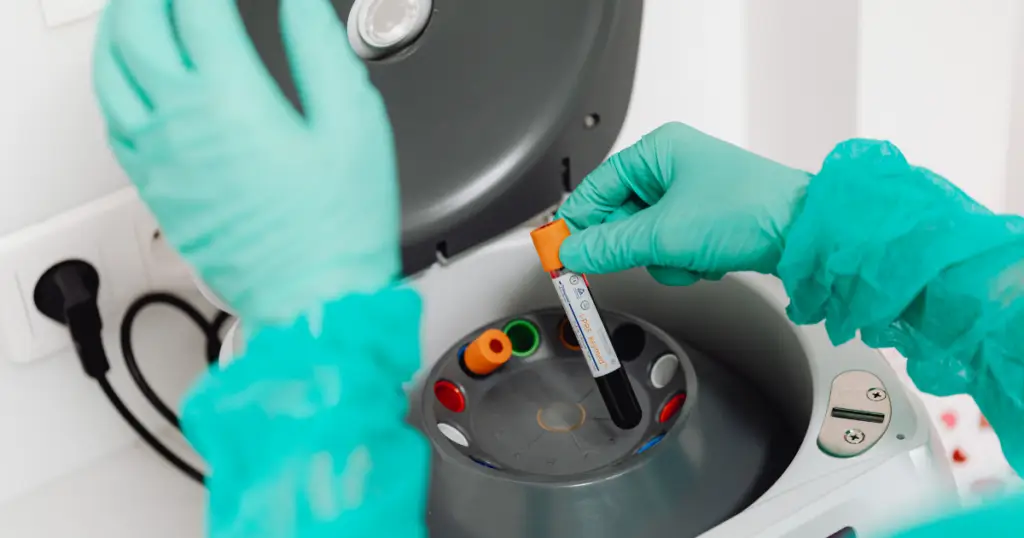
Doctors can run tests like:
- Blood tests to check immune response to mold
- Allergy testing for mold sensitivity
- Respiratory tests if you’re having breathing issues
- Urine tests in some cases for mycotoxins (less common)
According to the Centers for Disease Control and Prevention, mold exposure often shows up through symptoms like:
- Nasal stuffiness
- Throat irritation
- Cough or wheezing
- Skin irritation
But here’s the catch.
These tests don’t tell you where the mold is coming from. They only show how your body is reacting.
What Hospitals Do Not Test For
This is where many people get confused.
Hospitals do not:
- Inspect your house for mold
- Test air quality in your home
- Identify mold growth behind walls
- Confirm mold levels in your environment
That’s why people often leave the hospital with answers like:
“You may have a mold allergy.”
But no clue where the mold actually is.
And honestly, I’ve seen this happen a lot. Someone feels sick, gets tested, gets mild results, then goes back home to the same hidden mold problem.
Why Medical Mold Testing Has Limits
Even though hospitals can help, there are some limits you should know.
1. Symptoms can look like other illnesses
Mold exposure symptoms often overlap with:
- Cold or flu
- Allergies
- Asthma
- Sinus infections
So doctors need to rule out other causes first.
2. No single “perfect” mold test
There isn’t one test that clearly proves mold exposure in every case.
According to the World Health Organization, indoor mold exposure is linked to respiratory issues, but diagnosis still depends on clinical evaluation plus environmental evidence.
3. Mycotoxin tests are debated
Some labs offer urine mycotoxin tests, but:
- They’re not always standardized
- Results can be hard to interpret
- Not all doctors rely on them
So if you’re asking “can hospitals do mold testing,” the deeper answer is:
They can support a diagnosis, but not fully confirm the source.
When Should You Go to a Hospital for Mold Concerns?
You should consider medical help if you have:
- Ongoing coughing or wheezing
- Breathing difficulty
- Severe fatigue
- Chronic sinus problems
- Skin rashes that won’t go away
Especially if symptoms improve when you leave a certain place.
That pattern matters more than people think.
When You Need Environmental Mold Testing Instead
Now let’s talk about the other half of the equation.
If you suspect mold in your home, hospital tests won’t solve it.
You need:
- Air sampling
- Surface testing
- Moisture detection
- Lab analysis of mold types
This is where searching for mold inspection near me actually makes sense.
Professionals can:
- Find hidden mold behind walls
- Check HVAC systems
- Identify moisture sources
- Tell you how serious the problem is
And in some cases, like mold testing Rancho Cucamonga, specialists also provide detailed reports you can use for remediation or even legal claims.
Why You Often Need Both Types of Testing
Think of it like this:
- Hospital = What is happening in your body
- Inspector = What is happening in your environment
One without the other leaves gaps.
Here’s a simple breakdown:
| Situation | What You Need |
| You feel sick but don’t know why | Medical testing |
| You see or smell mold | Environmental testing |
| Symptoms improve when you leave home | Both |
| Ongoing health issues with no diagnosis | Start with doctor, then inspect home |
From experience, the people who get clear answers are the ones who connect both sides.
Can Hospitals Do Mold Testing for Legal or Property Issues?
No, they can’t.
If you’re dealing with:
- Landlord disputes
- Insurance claims
- Property damage
- Workplace exposure
Hospitals won’t provide the documentation you need.
You’ll need:
- Certified mold inspection reports
- Lab-confirmed environmental data
- Professional remediation assessments
That’s what holds weight in legal or housing cases.
Signs You Might Be Dealing With Mold at Home
Even before testing, your home can give clues.
Watch for:
- Musty smell that won’t go away
- Water stains on walls or ceilings
- Peeling paint
- Past leaks or flooding
- Condensation on windows
The Environmental Protection Agency notes that moisture control is key to mold prevention, and that visible growth should be addressed promptly.
A Simple Action Plan You Can Follow
If you’re still wondering, can hospitals do mold testing? Here’s a practical way to handle it:
Step 1: Track your symptoms
Write down:
- When symptoms start
- Where you are when they happen
- If they improve outside your home
Step 2: Visit a doctor
Ask about:
- Allergy testing
- Respiratory checks
- Mold-related concerns
Step 3: Inspect your environment
If signs point to your home:
- Book a mold inspection
- Get air and surface samples tested
Step 4: Fix the root problem
Testing without fixing mold won’t help long term.
You’ll need:
- Moisture control
- Proper cleanup or remediation
- Ventilation improvements
Conclusion
So, can hospitals do mold testing? Yes, but only on the health side of the issue.
They can help you understand how your body is reacting, but they won’t find the mold hiding in your walls, ceiling, or air.
To get real answers, you need to connect the dots between medical testing and environmental inspection. That’s what gives you clarity, not guesswork.