Lorem Ipsum has been the industry’s standard dummy text ever since the 1500s, when an unknown printer took a galley of type and scrambled it to make a type specimen book. It has survived not only five centuries, but also the leap into electronic typesetting, remaining essentially unchanged

Technology

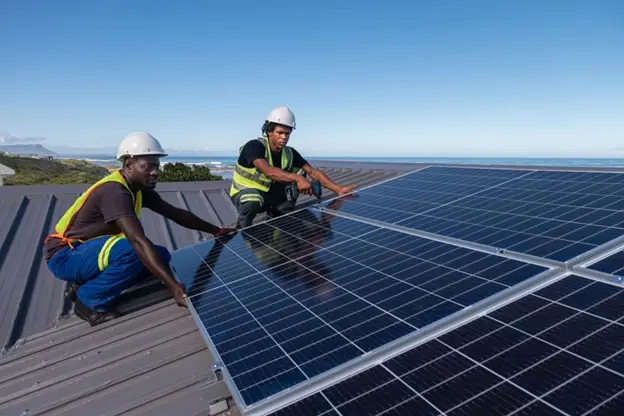
Interested in knowing how much does solar add to appraisal? Read on to know how solar panels affect home value, appraisals, resale prices, and buyer demand!

About 7 in 10 homebuyers now say energy efficiency matters when buying a house, according to recent housing market reports.

At the same time, electricity prices keep rising across the U.S., making solar more attractive than it was just a few years ago.

That shift has changed the way appraisers and buyers look at solar-powered homes.

Many homeowners installing solar today are not only thinking about lower utility bills, but also long-term property value.

Companies like propel solar have helped more homeowners compare solar options before making that investment decision.

If you have been wondering how much does solar add to appraisal, the answer depends on several factors, including ownership, system size, local energy costs, and how the appraiser values the system.

In many markets, solar can add real value to a property, but not every installation increases an appraisal the same way.

Why Can Solar Panels Raise Home Value?

Solar panels are often treated like other major home upgrades.

Buyers see them as a way to reduce monthly costs over time.

Lower electric bills can make a home more attractive, especially in areas with high energy rates.

A 2026 market review from Opendoor found that homes with solar panels typically sell for 3% to 4% more than similar homes without solar.

In some strong solar markets, the increase can be even higher.

Another widely referenced study from Lawrence Berkeley National Laboratory found that solar systems added around $3 to $4 per watt to home value.

That means a typical 6-kW system could add roughly $18,000 to $24,000 in value, depending on the market.

This is one reason why many homeowners searching how much does solar add to appraisal are surprised to learn that solar may recover a large portion of installation costs during resale.

Appraisers Look at More Than Just Panels

An appraiser does not simply see solar panels and automatically increase the value.

They usually examine:

  • Whether the system is owned or leased
  • Age of the solar panels
  • Warranty coverage
  • Local electricity costs
  • Average utility savings
  • Condition of the roof
  • Permits and installation quality
  • Comparable homes with solar nearby

If proper documentation is missing, the appraiser may struggle to assign full value.

That is why homeowners should always keep:

  • Installation contracts
  • Warranty paperwork
  • Energy production reports
  • Utility savings records
  • Permit approvals

These details help support the final appraisal.

Owned Solar vs Leased Solar

This is one of the biggest factors affecting appraisal value.

Owned Solar Systems

Owned systems usually increase home value the most because the buyer receives the system without taking over payments or contracts.

Recent studies show that homes with solar can sell for 4% to 7% more than comparable homes without solar.

Buyers also tend to feel more confident purchasing a fully owned system because they immediately benefit from lower energy costs.

When people search how much does solar add to appraisal, this is usually the type of solar setup that yields the strongest results.

Leased Solar Systems

Leased systems are different.

With leased solar, the homeowner does not actually own the equipment.

The buyer may need to assume the lease agreement, which can complicate a home sale.

Some buyers hesitate because they do not want:

  • Another monthly payment
  • Contract transfer paperwork
  • Long lease commitments

Several housing studies show leased systems often add little or no appraisal value compared to owned systems.

In some cases, they may even slow down the sales process.

Location Matters More Than Many People Think

Solar value changes depending on where the home is located.

Homes in sunny areas with high electricity costs often see stronger appraisal increases.

Buyers in those regions understand the savings potential better.

For example:

  • California
  • Arizona
  • Nevada
  • Florida
  • Texas

These markets usually show stronger solar premiums.

A 2025 SolarInsure housing analysis found some California solar homes sold for 5% to 10% more than nearby non-solar homes.

In states where electricity is cheaper, the added appraisal value may be smaller.

This explains why solar appraisal does not have one fixed dollar amount nationwide.

System Size and Energy Savings Matter
how much does solar add to appraisal

Bigger systems do not always mean bigger appraisal gains.

Appraisers often focus on whether the system matches the home’s energy use.

A properly sized system that significantly reduces electric bills usually performs better during appraisal than an oversized system producing unnecessary energy.

Homes with battery storage may also attract higher buyer interest because backup power is becoming more important during outages and severe weather.

Buyers Care About Monthly Savings

Many buyers now compare homes based on long-term ownership costs.

A house with lower monthly electric bills may feel more affordable even if the purchase price is slightly higher.

According to Zillow-related housing data, solar homes can also sell faster than non-solar homes in many markets.

That buyer demand helps support stronger appraisals.

Vital Reasons Solar May Not Add Much Value

Not every solar installation increases appraisal value.

Here are situations where value may be limited:

Poor Installation Quality

Bad wiring, roof damage, or unlicensed installation work can hurt buyer confidence.

Old Systems

Older panels with lower efficiency may no longer attract strong premiums.

Roof Problems

If the roof needs to be replaced soon, buyers may see solar removal costs as an additional expense.

Missing Documents

Without proof of ownership and savings, appraisers may undervalue the system.

Few Comparable Solar Homes Nearby

Appraisers rely heavily on comparable sales.

In areas where solar adoption is still low, assigning extra value becomes harder.

This is another reason why the solar addition to an appraisal can vary widely between neighborhoods.

How Homeowners Can Maximize Solar Appraisal Value

For the best appraisal outcome, focus on preparation before listing the home.

1. Keep All Solar Records

Organized paperwork helps prove system quality and savings.

2. Pay Off Solar Loans if Possible

Owned systems generally create stronger buyer confidence.

3. Maintain the Roof

A healthy roof improves the value of the entire solar setup.

4. Show Energy Savings

Utility bill reductions help buyers clearly understand the financial benefit.

5. Work With Experienced Solar Advisors

Some homeowners work with solar advisors before installation to choose systems that balance efficiency, financing, and resale value properly.

Financing structure matters too.

Some buyers prefer systems purchased through options like concert finance solar because predictable financing can simplify ownership.

Expert Insight on Solar and Appraisals
how much does solar add to appraisal

The Appraisal Institute has issued guidance on valuing solar homes because solar has become a larger part of residential real estate.

Many appraisers now use specialized solar valuation methods instead of treating solar as a simple cosmetic upgrade.

Energy efficiency is increasingly becoming part of mainstream property valuation rather than a niche feature.

That trend has grown stronger as utility costs continue rising nationwide.

FAQ

These are commonly asked questions and their valid answers.

Does solar always increase appraisal value?

No.

Owned systems in strong solar markets usually perform best.

Leased systems or poorly installed systems may add little value.

How much value can solar add to a home?

Many studies estimate the increase at 3% to 7%, depending on the market, system quality, and ownership type.

Do appraisers include solar panels?

Yes, many appraisers now include owned solar systems during valuation when proper documentation is available.

Does battery storage increase value, too?

In some markets, yes.

Buyers increasingly value backup power and energy independence.

Conclusion

Solar has become more than just an energy upgrade.

For many homeowners, it is now part of long-term property value planning.

Recent market data shows that owned solar systems can increase resale value, attract buyers faster, and improve appraisal outcomes when installed correctly.

Still, the final number depends on several moving parts.

Ownership structure, location, roof condition, energy savings, and local buyer demand all play major roles.

If you are researching how much does solar add to appraisal, focus less on one exact number and more on the quality of the system and how well it fits your market.

A well-maintained, properly documented solar setup often gives homeowners the strongest return both in monthly savings and future resale value.
Technology

Can solar panels get wet? Learn how rain, snow, and cleaning affect performance, safety, and lifespan, plus tips to protect your solar system.

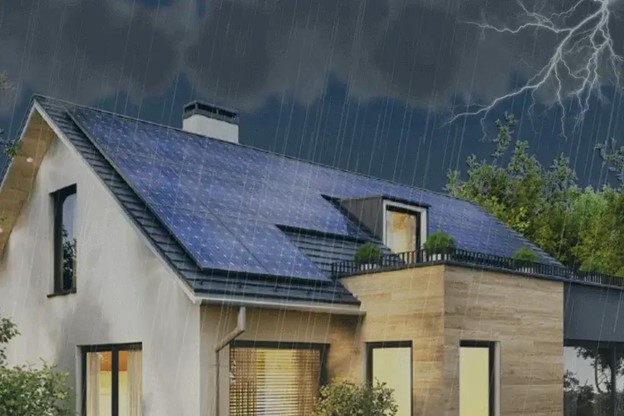
You’ve probably looked up at your roof during a heavy rain and wondered, can solar panels get wet without damage?

It’s a fair question. After all, electricity and water don’t mix in most situations.

The thing is that solar panels are built for the outdoors. They sit on rooftops for decades, facing rain, dust, snow, and heat every single day.

That’s why installers and even a good solar company Ontario plan systems with weather in mind from day one.

Still, there’s more to it than just “they’re fine in the rain.”

You should know how water interacts with your panels, what’s safe, and what actually helps performance.

Key Takeaways

  • Yes, solar panels can get wet – they’re designed for it
  • Rain can actually help clean your panels and improve output
  • Proper installation keeps water away from wiring and sensitive parts
  • Heavy storms rarely damage panels, but poor mounting can cause issues
  • Regular checks and safe cleaning help your system last longer

Can Solar Panels Get Wet Without Damage?

Yes, they can. In fact, they’re made to.

Most solar panels are sealed with tempered glass and strong frames. This keeps water from getting inside the sensitive parts.

Panels are also tested to strict standards, such as IEC 61215, which assesses how they withstand rain, humidity, and temperature changes.

According to the International Electrotechnical Commission, panels must survive years of outdoor exposure before they are approved.

What protects them?

  • Tempered glass surface – resists impact and water
  • Sealed edges – stop moisture from entering
  • Waterproof junction box – protects wiring
  • Corrosion-resistant frame – prevents rust over time

So when you ask, can solar panels get wet, the answer is simple. Not only can they, but they’re expected to.

Does Rain Affect Solar Panel Performance?

Here’s something most people don’t expect. Rain can actually help your panels.

When dust and dirt build up, your panels can lose efficiency.

A study shared by the National Renewable Energy Laboratory shows that dirty panels can lose up to 25% of their output in some areas.

Rain helps by washing off:

  • Dust
  • Bird droppings
  • Pollen
  • Air pollution residue

After a good rainfall, your panels often perform better because more sunlight can reach the cells.

But there’s a small catch

On rainy days, your panels will produce less electricity. That’s not because they’re wet. It’s because there’s less sunlight.

Can Solar Panels Get Wet During Heavy Storms?

Can solar panels get wet

This is where people get nervous. Light rain is one thing. But what about storms?

Solar panels are built to handle:

  • Heavy rain
  • Strong winds
  • Hail (within tested limits)
  • Snow buildup

Most panels can withstand wind speeds of up to 140 mph (225 km/h), depending on installation. That’s strong enough for most storms.

But here’s the real issue. Damage during storms usually comes from:

  • Poor installation
  • Weak mounting systems
  • Loose wiring

Not the rain itself.

So if you’re still wondering whether solar panels can get wet during storms, the answer is yes. The bigger concern is how well they were installed.

What About Snow and Ice?

If you live in colder areas like parts of Canada, snow is part of the deal.

Good news:

  • Panels are angled, so snow often slides off
  • Dark surfaces absorb heat and help melt snow
  • Systems are tested for heavy snow loads

According to Natural Resources Canada, snow usually doesn’t cause long-term issues unless it stays for extended periods.

Quick tip

Avoid trying to scrape ice off panels. You can damage the glass. Let nature handle it.

Can Solar Panels Get Wet During Cleaning?

Yes, and cleaning is actually part of proper maintenance.

But this is where people sometimes go wrong.

Safe cleaning tips:

  • Use clean water and a soft brush
  • Clean early morning or late evening
  • Avoid high-pressure washers
  • Don’t use harsh chemicals

I’ve seen someone use a pressure washer once. It looked satisfying, but it’s risky. You can damage seals and reduce lifespan.

If you’re not comfortable, hire a professional. Many companies offering solar panels Ontario services include cleaning as part of maintenance.

How Waterproof Are Solar Panels Really?

Solar panels are not just “water-resistant.” They are designed to handle long-term exposure to moisture.

Most systems meet an IP67 or IP68 rating, which means:

  • Protected from dust
  • Can handle water exposure without damage

The wiring and inverter, however, are different.

Important distinction:

  • Panels – waterproof and weatherproof
  • Inverter and connections – need protection and proper placement

That’s why installers place inverters in sheltered areas.

Signs Water Might Be Causing a Problem

Even though panels are built for water, problems can happen. Usually, it’s due to installation issues.

Watch for:

  • Sudden drop in energy output
  • Visible cracks in panels
  • Rust around mounting areas
  • Loose cables

If you notice any of these, get your system checked.

A trusted solar company Toronto or installer can inspect and fix issues early before they get worse.

Does Water Ever Damage Solar Panels?

Can solar panels get wet

It’s rare, but possible.

Here’s when it can happen:

  • Cracked glass allows water inside
  • Poor sealing during manufacturing or installation
  • Flooding affecting electrical components

According to research published by the International Energy Agency, most solar panel failures are linked to installation and electrical faults, not weather exposure.

So again, the problem isn’t that solar panels get wet. It’s how well the system is built and maintained.

How to Protect Your Solar Panels from Water Issues

You don’t need to overthink this, but a few smart steps go a long way.

Do this:

  • Hire certified installers
  • Schedule inspections every 1–2 years
  • Keep panels clean but don’t overdo it
  • Check mounts after major storms

Avoid this:

  • Walking on panels
  • Using harsh cleaning tools
  • Ignoring small damage

A properly installed system can last 25–30 years, even with constant exposure to rain.

So, Can Solar Panels Get Wet and Still Last?

Yes, they can. And they do.

Solar panels are built to sit outside for decades. Rain, snow, and cleaning are all part of their normal life.

If anything, water helps more than it hurts. It keeps panels clean and working better.

The key thing you should focus on is quality installation and basic care. That’s what really makes the difference.

Conclusion

So, can solar panels get wet? Absolutely. They’re designed for it from the ground up.

Rain won’t damage your system. In many cases, it improves performance by washing away dirt.

Problems only show up when installation is poor or maintenance is ignored.

If you’re planning to install solar panels or already have them, keep it simple.

Choose experienced installers, check your system once in a while, and let nature do most of the cleaning.

That’s how you get the most out of your investment without stress.

Technology

What are diamond blades made of? Learn the materials, bonding process, and design that allow these cutting tools to slice through concrete, stone, and tile.

If you’ve ever watched a contractor cut through concrete or stone, you might assume the blade itself is solid diamond.

That would make sense… but it’s not how these tools work.

But, what are diamond blades made of?

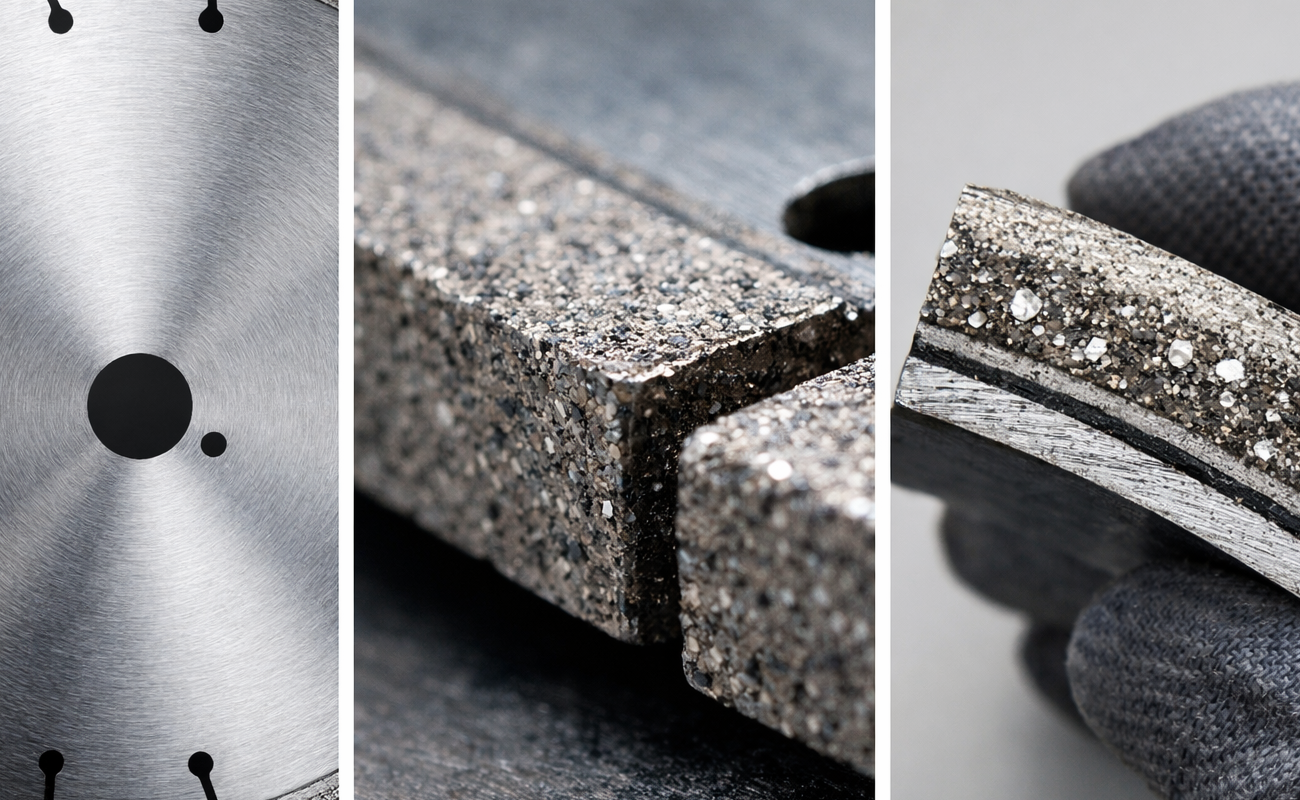
They are actually made from a mix of industrial diamonds, metal powders, and a strong steel core.

These materials work together so the blade can cut through extremely hard surfaces, such as concrete, asphalt, granite, and tile.

If you’re researching diamond saw blades for a project or for your business, understanding what goes into them helps you choose the right blade and use it correctly.

The truth is simple: the strength of a diamond blade does not come from diamonds alone. It comes from how the diamonds are held, supported, and exposed during cutting.

Let’s take a closer look at the materials that make these blades work.

The Three Main Parts of a Diamond Blade

Most diamond blades are built with three main components.

Each part has a specific job.

  1. Steel core
  2. Diamond segments
  3. Metal bond

Together, they create a blade that can grind through extremely hard materials without breaking.

1. Steel Core (The Blade’s Backbone)

At the center of every diamond blade is a steel core.

This is the round metal disc that holds everything together.

The core is usually made from high-strength heat-treated steel. It needs to be strong because it spins at very high speeds on saws and grinders.

The steel core provides:

  • Structural support
  • Blade stability
  • Safe rotation at high RPM

Some cores also include slots or vents. These help reduce heat and vibration while cutting.

You may notice shapes like:

  • Keyhole slots
  • U-shaped slots
  • Laser-cut expansion slots

These allow the blade to expand slightly when it heats up, preventing warping.

According to guidance from the U.S. Occupational Safety and Health Administration (OSHA), cutting tools operating at high speeds must maintain structural integrity and heat resistance to prevent blade failure.

2. Diamond Segments (Where the Cutting Happens)

The part that actually cuts material is called the diamond segment.

These are the small blocks attached around the edge of the blade.

Contrary to what many people think, the diamonds used in diamond blades are not jewelry-grade diamonds. Instead, they are industrial synthetic diamonds.

Synthetic diamonds are created in labs using extreme heat and pressure.

According to the Gemological Institute of America, lab-created diamonds have the same crystal structure as natural diamonds and are widely used in industrial cutting tools.

Industrial diamonds are perfect for cutting because they are:

  • Extremely hard
  • Durable under pressure
  • Resistant to heat
  • More affordable than natural diamonds

Each segment contains hundreds or thousands of tiny diamond crystals mixed with metal powders.

As the blade spins, these diamonds grind against the material being cut.

3. Metal Bond (The Diamond Holder)

The diamonds inside the segments need something to hold them in place.

That job belongs to the metal bond.

The metal bond is a mix of metal powders that surround and secure the diamonds during manufacturing.

Common metals used include:

  • Cobalt
  • Iron
  • Bronze
  • Tungsten
  • Nickel

The metal bond determines how fast diamonds are exposed as the blade wears.

This process is known as controlled wear.

Here’s how it works:

  1. Diamonds grind against the material being cut.
  2. Over time, the metal bond slowly wears away.
  3. As it wears, new diamonds become exposed.
  4. The blade continues cutting effectively.

This constant exposure to fresh diamonds keeps the blade sharp.

Why Synthetic Diamonds Are Used

what are diamond blades made of

Natural diamonds may sound stronger, but they are not practical for cutting tools.

Synthetic diamonds are used because they offer better control during manufacturing.

Manufacturers can control:

  • Diamond size
  • Diamond strength
  • Diamond shape
  • Diamond concentration

This allows the blade to perform consistently.

According to research published by the International Journal of Refractory Metals and Hard Materials, synthetic diamond particles provide predictable cutting performance in industrial tools.

How Diamond Segments Are Attached to the Blade

The diamond segments must be attached securely to the steel core.

Two main methods are used.

1. Laser Welding

Laser welding is the most common method for professional blades.

A high-powered laser fuses the segment directly to the steel core.

Benefits include:

  • Extremely strong bond
  • Higher heat resistance
  • Safer operation
  • Longer blade life

Laser-welded blades are commonly used for:

  • Concrete cutting
  • Asphalt cutting
  • Road work
  • Construction projects

2. Sintering

Sintering is another manufacturing method.

This process uses heat and pressure to fuse the metal bond and diamonds together.

In some blades, the sintered segments are then attached to the steel core through brazing or welding.

Sintered blades are often used for:

  • Tile cutting
  • Masonry work
  • General construction

Types of Diamond Blade Edges

The edge design also plays a role in how the blade cuts.

Different shapes are made for different materials.

1. Segmented Blades

Segmented blades have visible gaps between segments.

These gaps help:

  • Improve airflow
  • Reduce heat
  • Remove debris

They are commonly used for cutting:

  • Concrete
  • Brick
  • Asphalt
  • Stone

Segmented blades are fast but produce rougher cuts.

2. Continuous Rim Blades

Continuous rim blades have a smooth cutting edge.

There are no gaps between segments.

This design allows for clean and precise cuts.

They are commonly used for:

  • Tile
  • Marble
  • Granite
  • Porcelain

The trade-off is slower cutting speed.

3. Turbo Blades

Turbo blades combine features of both designs.

They have small serrated edges that increase cutting speed while still producing fairly clean cuts.

These blades work well for:

  • Granite
  • Concrete
  • Brick
  • Stone

Why Bond Hardness Matters

The hardness of the metal bond must match the material being cut.

This is something many people overlook.

Here’s why it matters.

1. Soft Bond Blades

Soft bond blades wear faster.

That might sound bad, but it’s actually necessary when cutting very hard materials.

Examples include:

  • Granite
  • Porcelain tile
  • Hard stone

The faster wear exposes new diamonds quickly.

2. Hard Bond Blades

Hard bond blades wear more slowly.

They are used for softer materials like:

  • Asphalt
  • Green concrete
  • Sandstone

If the bond were soft, the blade would wear out too quickly.

Choosing the correct bond ensures the blade lasts longer.

Why Diamond Blades Don’t Stay Sharp Forever

what are diamond blades made of

Many people expect diamond blades to stay sharp forever.

But that’s not how they work.

Diamond blades cut through abrasion, not slicing like a knife.

Over time:

  • Diamonds become dull
  • Metal bond wears away
  • Segments slowly shrink

Eventually, the blade needs replacement.

However, the controlled wear process ensures the blade continues to expose fresh diamonds, maintaining cutting performance for a long time.

Materials Diamond Blades Are Designed to Cut

Because of their construction, diamond blades can cut through extremely hard materials.

Common applications include:

  • Concrete
  • Reinforced concrete
  • Asphalt
  • Brick
  • Granite
  • Marble
  • Porcelain tile
  • Masonry
  • Stone blocks

According to Construction & Demolition Recycling Magazine, diamond cutting tools are widely used across the construction and demolition industries because they offer greater precision and durability than traditional blades.

How Manufacturing Quality Affects Blade Performance

Two blades may look identical but perform very differently.

The reason usually comes down to manufacturing quality.

Important factors include:

  • Diamond concentration in the segments
  • Diamond quality and size
  • Metal bond formula
  • Segment welding strength
  • Steel core balance

Higher-quality blades use carefully engineered diamond distribution, which improves cutting speed and durability.

Professional contractors often rely on premium blades because cheaper blades wear out faster and may overheat.

Conclusion

Diamond blades are not made from solid diamonds. Instead, they are built from a combination of engineered materials designed to work together under extreme cutting conditions.

A typical diamond blade includes:

  • A strong steel core that provides structure and stability
  • Diamond segments filled with synthetic industrial diamonds
  • A metal bond matrix that slowly releases new diamonds during cutting

This design allows the blade to cut through hard materials like concrete, stone, and tile while maintaining performance over time.

Understanding what diamond blades are made of helps you choose the right blade, extend its lifespan, and achieve better cutting results.

When you know how these tools work, it becomes much easier to match the blade to the job and get consistent, reliable performance.