How Much Catering Course Cost in 2026?

Wondering how much catering course fees are? See real price ranges, what affects the cost, and how to choose the right training for your budget.
If you’ve been asking yourself, how much catering course fees really are, you’re not alone.
Maybe you love cooking. Maybe people keep telling you to “start a food business.”
Or maybe you just want proper training so you can charge what you’re worth.
Before you enroll in any catering program, you need clear numbers. Not guesses.
And if you’re already exploring professional catering services or training options, you probably want to understand what you’re paying for and why prices vary so much.
Let’s talk about it honestly.
How Much Catering Course Fees Cost on Average
The cost of a catering course depends on:
- Your country
- The type of certification
- The length of the program
- The school’s reputation
- Whether it’s online or in-person
Here’s a simple breakdown of common price ranges:
1. Short Catering Courses (1–3 months)
- Cost: $100 – $800
- Focus: Basic cooking skills, hygiene, menu planning
- Good for beginners testing the waters
These are often offered by local training centers or online platforms.
2. Professional Catering Diploma (6–12 months)
- Cost: $1,000 – $6,000
- Focus: Food production, event catering, cost control, kitchen management
- Includes practical kitchen training
Many recognized culinary schools fall in this category.
For example, programs at institutions like Le Cordon Bleu can cost significantly more, depending on location and certification level.
3. Culinary Arts Degree (1–3 years)
- Cost: $10,000 – $40,000+
- Offered by colleges or universities
- Includes business training and hospitality management
For instance, the Culinary Institute of America lists degree programs that can cost tens of thousands of dollars, depending on the program length and residency status.
That’s a serious investment. And not everyone needs that level.
What Affects Catering Course Fees?
When you see two schools charging very different prices, there’s usually a reason.
Here’s what makes the difference:
1. Accreditation and Reputation
A well-known school charges more because:
- Employers recognize the certificate
- You get stronger industry connections
- The training standards are higher
According to the National Restaurant Association, certified training improves job opportunities in the food industry. That’s why recognized programs often cost more.
2. Practical Kitchen Access
Cooking is hands-on.
Programs with:
- Real commercial kitchens
- Industrial equipment
- Live event training
…will cost more than simple classroom-only courses.
3. Ingredients and Materials
Some programs include:
- Ingredients for practice
- Chef uniforms
- Knife kits
- Textbooks
Others charge these separately.
Always ask what’s included.
4. Location
Courses in large cities cost more because:
- Rent is higher
- Operational costs are higher
- Demand is stronger
If you’re in a major city, expect higher tuition.
Online Catering Courses: Are They Cheaper?

Yes, usually.
Online catering courses often range between:
- $50 – $500
Platforms like Udemy or Coursera offer affordable food and hospitality programs.
But here’s the catch:
You won’t get hands-on kitchen supervision.
Online training works best if:
- You already cook at home
- You want business knowledge
- You need flexible learning
If you want to run large events, practical training matters.
Hidden Costs Most People Don’t Consider
This is where many students get surprised.
Beyond tuition, you may also pay for:
- Registration fees
- Examination fees
- Certification processing
- Kitchen tools
- Transportation
- Uniforms
Some schools advertise low tuition but add fees later. Always request a full breakdown.
Is an Expensive Catering Course Worth It?
Let me be honest with you.
A high price does not automatically mean high quality.
Before paying thousands, ask yourself:
- Do you want to run your own catering business?
- Do you plan to work in hotels or restaurants?
- Are you learning for passion or career?
If you plan to build a catering company, you need:
- Food safety certification
- Cost control knowledge
- Menu pricing skills
- Event logistics understanding
The World Health Organization emphasizes proper food safety training to reduce foodborne illnesses. This alone makes certified training important if you serve the public.
Catering Course Cost by Region (General Estimate)
Here’s a rough guide:
| Region | Average Cost |
| United States | $1,000 – $40,000 |
| United Kingdom | £500 – £15,000 |
| Canada | CAD 2,000 – CAD 30,000 |
| Nigeria | ₦100,000 – ₦1,500,000 |
| Online Global | $50 – $500 |
Prices vary widely depending on certification level.
How to Choose the Right Catering Course for You
Instead of asking only “how much catering course cost,” ask better questions.
1. What Skills Will You Learn?
Look for:
- Menu planning
- Portion control
- Food costing
- Event coordination
- Food safety certification
2. Do They Offer Real Event Experience?
Some programs allow you to:
- Cater live weddings
- Handle corporate events
- Work in commercial kitchens
That experience is priceless.
3. Who Are the Instructors?
Check if instructors:
- Have real catering businesses
- Have industry awards
- Have worked in hotels or event management
Experience matters more than fancy marketing.
4. Do Past Students Succeed?
Ask for:
- Testimonials
- Graduate success stories
- Business owners who trained there
Results tell the truth.
Can You Start Catering Without a Course?
Yes. Many successful caterers are self-taught.
But here’s what formal training gives you:
- Structured learning
- Safety compliance knowledge
- Confidence to charge premium prices
- Industry credibility
According to the U.S. Bureau of Labor Statistics, food service managers often benefit from formal education or training, especially when managing large operations.
If you want to scale, training helps.
Ways to Reduce Catering Course Costs
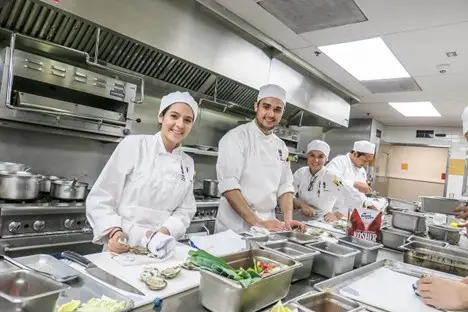
If budget is tight, here are smart options:
- Start with a short certificate program
- Take an online business course first
- Apply for scholarships
- Look for installment payment plans
- Train under an experienced caterer as an apprentice
Sometimes working under a professional for six months teaches more than a classroom.
How Much Should You Budget Realistically?
If you’re serious about catering as a business, plan for:
- Course fees
- Kitchen equipment
- Licensing
- Marketing
- Initial ingredient costs
Training is just the beginning.
A realistic starter budget for a small catering business can range between $2,000 – $10,000, depending on your location and scale.
Is Certification Required to Start a Catering Business?
In many countries, you don’t need a degree.
But you usually need:
- Food handler’s permit
- Business registration
- Health inspection approval
Food safety is not optional. It protects you and your clients.
Conclusion
So, how much catering course fees cost?
It can range from as low as $50 for online basics to over $40,000 for a full culinary degree.
The right amount for you depends on your goals, your budget, and how serious you are about turning cooking into income.
Before paying any school, check:
- What you will learn
- What is included in the fees
- Who teaches the course
- What past students achieved
When you treat your training as an investment instead of an expense, you make smarter choices.
And smarter choices help you build a catering career that lasts.