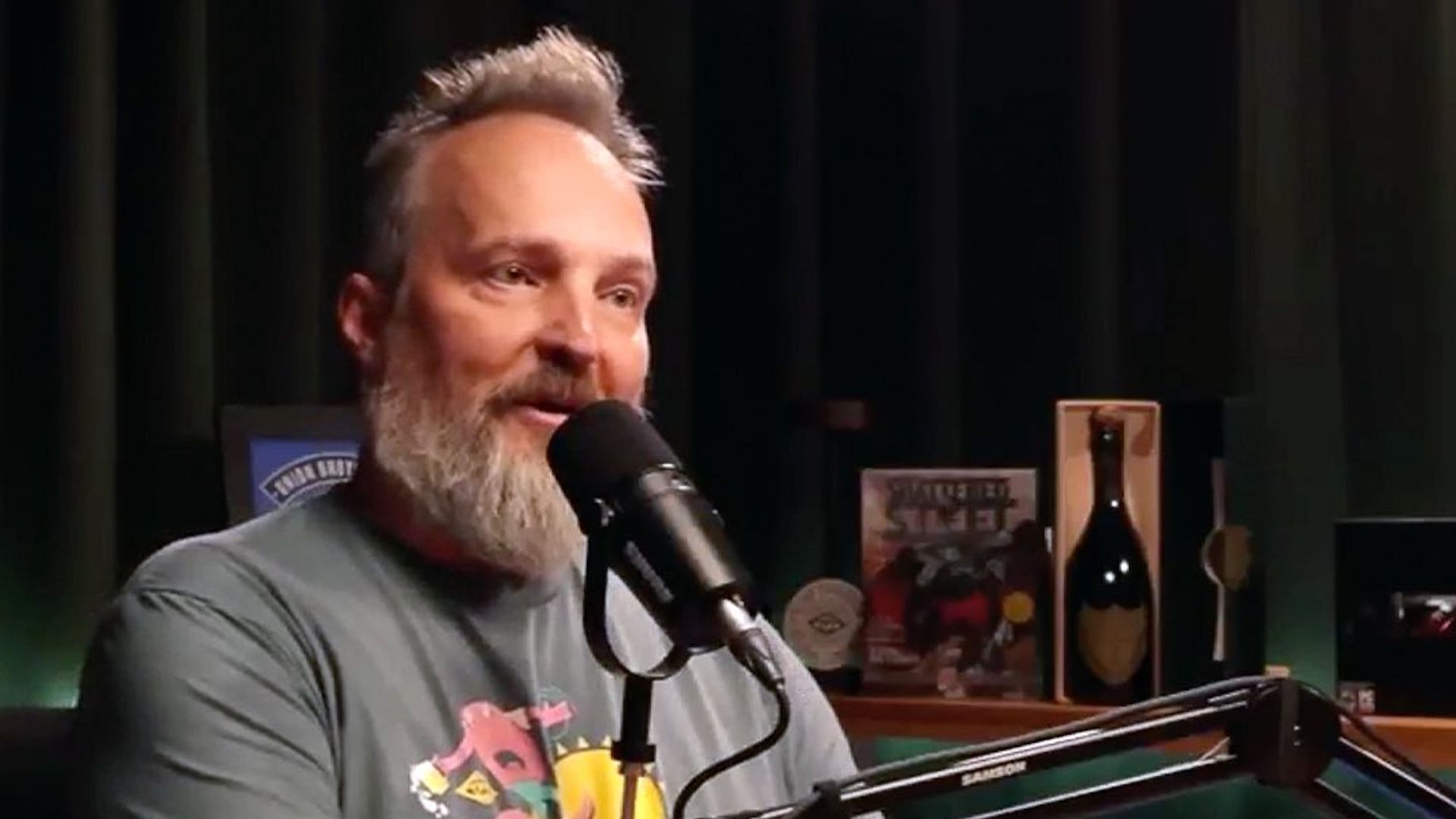
Nearly fifteen years after stepping away from the video game industry, BioWare co-founder Greg Zeschuk has returned to the spotlight following the closure of his former studio by Electronic Arts. Reflecting on the realities of modern game development and corporate management, Zeschuk pointed to a fundamental disconnect at the top of major publishing companies: the people making executive decisions rarely have a background in actually creating games.
"The other harsh reality of almost all these companies, the people that go down the business track never really come from the development track," Zeschuk observed. "Because none of these people have ever made a game, like, never really sat and made one, like, from start to finish, even a small thing, they just don't know how it works."
This critique strikes at a long-standing tension in the entertainment sector. Studios are often founded on bold creative risks and unique storytelling visions, yet they frequently end up acquired by larger conglomerates whose primary goal is minimizing risk to ensure predictable financial returns. However, critics argue that this spreadsheet-driven approach often backfires.
Observers have noted the irony in how risk-averse strategies frequently attempt to chase established trends, running a massive risk of missing the bandwagon entirely. By the time a corporate publisher forces a studio to follow a market leader, the space is often overcrowded, leaving little room for success even for high-quality entrants.
At the same time, industry veterans point out that leadership challenges run in multiple directions. While corporate interference and a lack of creative understanding can suffocate innovation, poor internal management and unchecked scope creep can equally derail ambitious projects over multi-year cycles. Finding a balance requires leadership that genuinely understands and respects the creative process without losing sight of practical execution.
Despite the ongoing turbulence across the industry, Zeschuk remains firmly detached from the corporate grind, expressing contentment with watching from the sidelines as a consumer rather than enduring the grueling crucible of modern AAA production.

