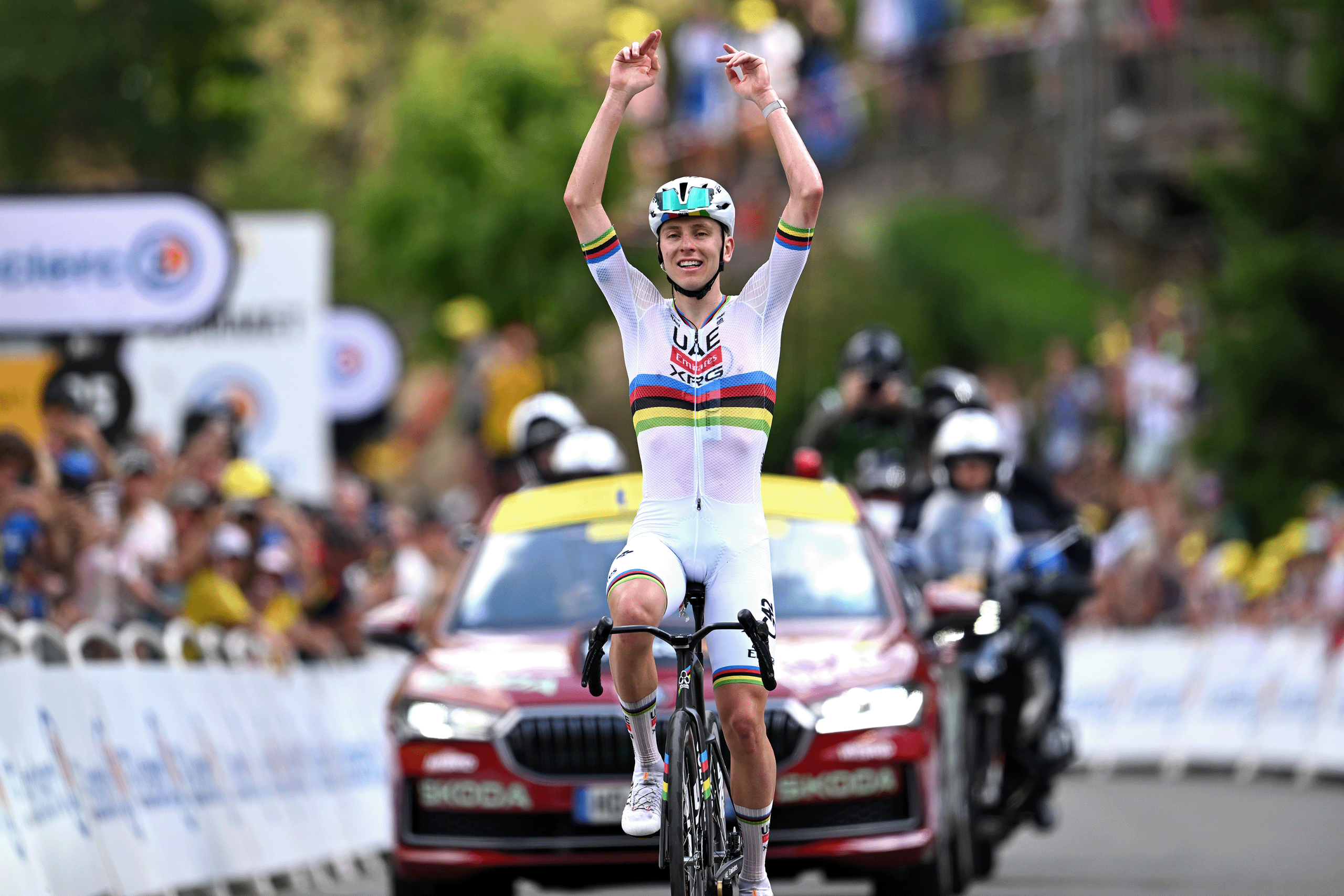
The Indestructible Mindset of Modern Cycling Greats
There is a peculiar kind of silence that falls over the cycling world when a dominant champion goes down. When Tadej Pogačar suffered that brutal crash at the Vuelta a España back in August, fracturing his collarbone and neck, a collective intake of breath echoed across the sport. For weeks, he vanished from the media radar, leaving fans and pundits to wonder how a body subjected to such violent impact could ever bounce back. But watching his recent video appearance ahead of the 2031 UCI World Championships in Trentino, one thing immediately stood out to me: the man simply refuses to be broken, physically or mentally.
The Anatomy of a Champion's Recovery
When Pogačar dialled into the Trentino presentation and casually noted that he is "getting better every day," what many people don't realize is the immense psychological toll hidden behind those few casual words. In my opinion, the physical healing of a broken bone is only half the battle; the real war is fought in the quiet, agonizing weeks of isolation away from the bike. From my perspective, elite athletes live in a completely different psychological universe than the rest of us. They don't view a major trauma as a full stop in their career narrative; they treat it as an irritating punctuation mark, a temporary formatting error in an otherwise legendary script.
- The Psychological Reset: Forced downtime gives champions an unusual vantage point to re-evaluate their relationship with the sport.
- The Physical Resilience: Modern sports science can mend bones, but it takes a rare kind of mental stubbornness to willingly return to a peloton going fifty miles an hour downhill.
What makes this particularly fascinating is how cycling culture treats these catastrophic injuries. We have somehow normalized the sight of riders shattering their collarbones and bouncing back as if they just tripped over a curb. If you take a step back and think about it, it is utterly absurd. Yet, it is precisely this resilience that defines an era. Pogačar isn't just recovering from orthopedic trauma; he is actively rebuilding his aura of invincibility, one painful rehabilitation session at a time.
Beyond the Pain: What This Means for the Future
This recent update raises a deeper question about the longevity and psychological sustainability of modern dominance in professional cycling. When you push your body to the absolute bleeding edge year after year, crashes are no longer a matter of "if" but "when." A detail that I find especially interesting is how riders manage the transition from being untouchable gods of the road to mortal athletes fighting their own biology.
Personally, I think these setbacks are actually what forge true greatness. It is easy to look majestic when everything goes right and you are soloing to victory across cobblestones and mountain passes. What this really suggests is that a champion's true character is revealed not when they are lifting a trophy in Paris or Italy, but when they are staring at a ceiling in August with a broken neck, plotting their eventual return.
The Bigger Picture of Athletic Mortality
Ultimately, Pogačar's journey back from the brink serves as a metaphor for the broader human obsession with endurance and reinvention. We love sports because they hold up a mirror to our own fragile existence, showing us how to fall down hard and still find a reason to clip back into the pedals. As we look ahead to the 2031 World Championships, I am convinced that this latest chapter of adversity will only add a deeper, more compelling layer to his legacy. Greatness isn't born from an unbroken career; it is hammered out on the anvil of recovery.