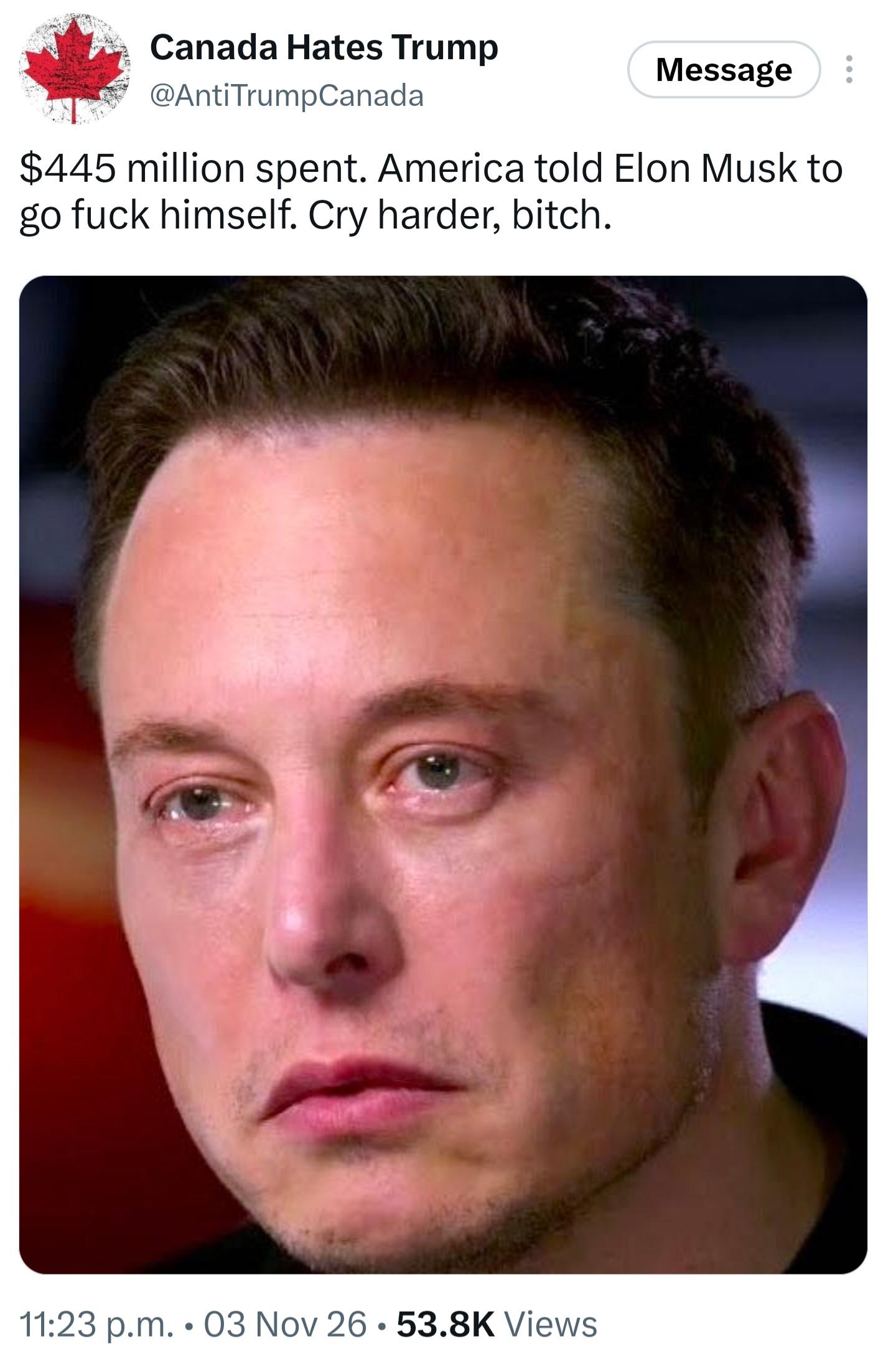
Election nights frequently yield high drama, sharp political commentary, and immediate reflection on the influence of campaign spending. Following recent election results, widespread attention has turned toward key political figures, major financial donors, and the tangible impact of high-dollar political endorsements.
The Role of Wealth in Political Campaigns
The sheer volume of capital injected into modern electoral races continues to be a central topic of public discourse. Questions surrounding campaign finance, public accountability, and the influence of mega-donors have intensified following the outcome of high-stakes races across several states.
While massive political contributions are intended to swing races in favor of specific candidates or policies, recent results have demonstrated that heavy financial backing does not guarantee victory. Observers and voters alike have increasingly weighed in on whether existing tax structures and campaign finance laws adequately address the concentration of political influence among ultra-wealthy individuals.
Reactions to these financial investments highlight a growing skepticism regarding the efficacy of multi-million-dollar campaign efforts. As one commenter observed:
"I guess money can’t buy everything"
Others focused on the systemic questions raised by such immense capital expenditures during electoral cycles:
"All of the good he could have done with that money. TAX THE RICH!!!"
Public Scrutiny and Calls for Accountability
Beyond the election results themselves, discussions have turned toward legislative and regulatory oversight. Calls for investigations into government efficiency initiatives, campaign funding mechanisms, and political action committees (PACs) have gained traction among critics seeking greater transparency.
The debate over corporate influence and public policy remains particularly contentious, with critics demanding stricter boundaries between private enterprise and state governance. Responses to these developments range from calls for legal scrutiny to frustration over the ongoing role of prominent business leaders in electoral politics:
"Can he please now go away and never get involved with politics again?"
As legislative sessions resume, policymakers and political strategists continue to analyze voter behavior, evaluating whether voters are sending a message against political intervention by high-profile corporate figures.