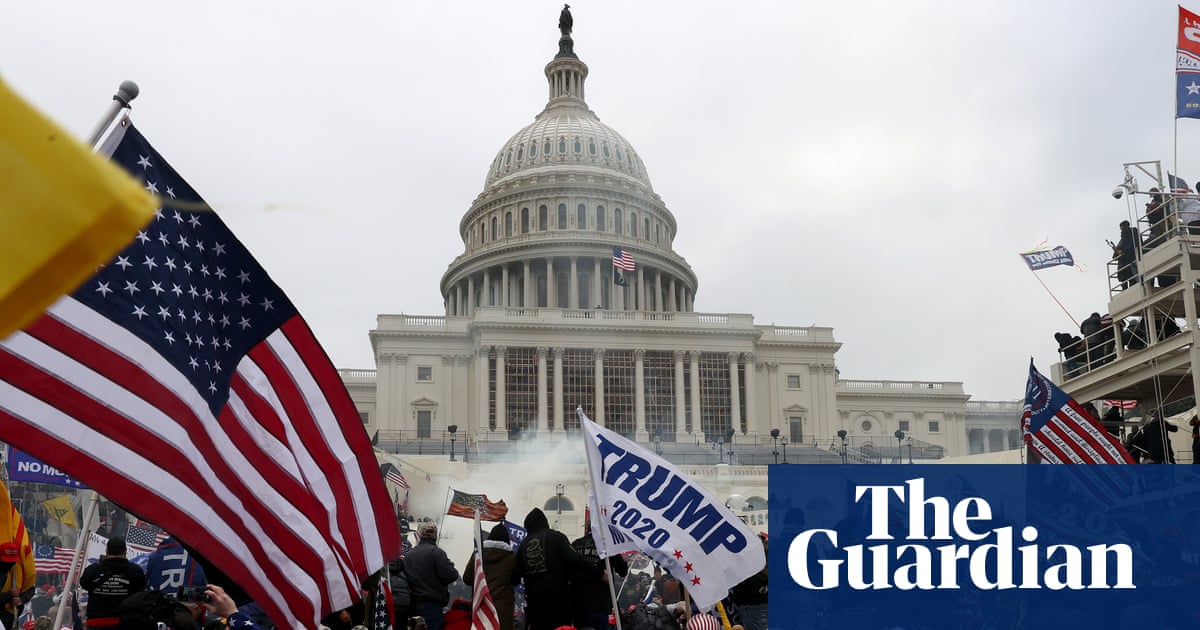
A man who received a presidential pardon for his involvement in the January 6, 2021, attack on the U.S. Capitol is once again facing legal trouble. Cleveland Meredith, from North Carolina, has been charged with making threats to kill federal judges who presided over cases stemming from the violent insurrection. This development raises questions about the consequences of pardoning individuals involved in such high-profile crimes.
A History of Threats and Violence
Meredith was initially sentenced to 28 months in 2021 after pleading guilty to threatening to shoot then-House Speaker Nancy Pelosi. Despite his history of violent rhetoric, he was among nearly 1,600 individuals pardoned by former President Donald Trump in 2025. However, Meredith’s actions post-pardon suggest a pattern of dangerous behavior.
In April 2026, Meredith allegedly posted on Facebook, “ALL J6 Federal JUDGES will be EXECUTED!” This was followed by additional messages in October, including, “Make damn sure you’re on the right team going into the midterms/… firing squads will commence 11/04/26.” Federal prosecutors in Georgia, where the messages originated, described these posts as “true threats” and part of a broader campaign of harassment.
The Aftermath of Pardons
Meredith’s case is not an isolated incident. Several individuals pardoned for their roles in the January 6 riot have since faced new charges, sparking criticism of the pardons as enabling further criminal behavior. As one observer noted, “It's almost like letting criminals off for their crimes just emboldens them.”
Prosecutors argue that Meredith’s actions demonstrate a disregard for the law and a willingness to continue making threats despite previous convictions. His history includes a 2025 referral to the FBI for threatening an unnamed individual, though he denied the intent behind his words at the time.
The Broader Implications
The recurrence of criminal behavior among pardoned January 6 participants has led to calls for stricter accountability. Some suggest that individuals who reoffend after receiving a pardon should face harsher penalties. “It seems like when you have gotten a presidential pardon and somehow you end up getting in trouble again they should just throw the book at you,” one commenter remarked.
Meredith’s case also highlights the challenges of addressing online threats in an increasingly polarized political climate. His social media posts, which included calls for violence and references to “firing squads,” underscore the potential real-world consequences of such rhetoric.
As Meredith awaits trial, his story serves as a stark reminder of the complexities surrounding presidential pardons and the ongoing impact of the January 6 insurrection. Whether his actions represent an isolated case or a broader trend, they raise important questions about justice, accountability, and the limits of executive clemency.

