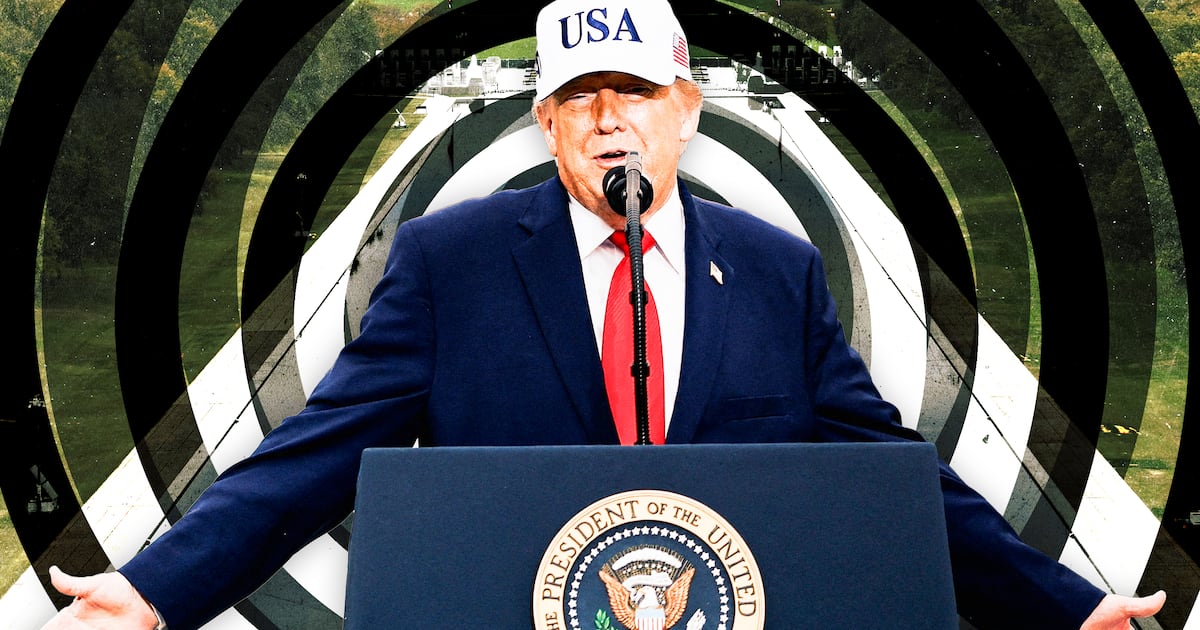
On the eve of midterm elections that could alter control of Congress, political figures converged on Washington to deliver final closing pitches to voters. Against a backdrop of tight races and public debate over national spending priorities, campaign events have turned into flashpoints for discussions surrounding infrastructure management, economic policy, and governance.
The Lincoln Memorial Project and Its Political Fallout
Returning to the National Mall, the administration marked the completion of long-running renovations at a prominent Washington landmark. Originally projected to take weeks and cost a modest sum, the project faced months of delays, escalating expenses, and disputes over contracting procedures. What was intended as a showcase of civic improvement instead became a focal point for critics questioning government oversight and the allocation of public funds.
During the reopening remarks, discussions quickly turned from architectural details to broader political stakes. Observers within political circles noted that holding a high-profile closing event at a site associated with administrative friction carried inherent risks, particularly as polls indicated tightening margins and potential shifts in congressional power.
Economic Pressures and Campaign Rhetoric
As the campaigns entered their final hours, economic concerns remained central to the national conversation. Voters across the country have expressed frustration with rising living costs and ongoing international tensions. In response, final campaign stops featured wide-ranging policy proposals, including potential financial relief measures for citizens, alongside sharp exchanges regarding candidate qualifications and legislative priorities.
Economic analysts and political strategists have debated the feasibility and broader implications of these proposals, noting potential impacts on the national debt and fiscal policy. Meanwhile, supporters and critics alike continue to parse every statement as parties make their final push to mobilize voters before polling stations open.
Public Reaction and Voter Sentiment
Reactions to the final stretch of campaigning reflect a deeply divided electorate. Many observers pointed out the unusual nature of focusing extensive campaign time on municipal beautification projects when voters are primarily preoccupied with inflation, cost-of-living pressures, and congressional balance.
As one observer remarked, focusing significant attention on a project marred by administrative missteps on the eve of an election is an unexpected strategy. Another noted the stark contrast between the administration's focus on monuments and the immediate economic anxieties felt by households nationwide.
With turnout expected to be high and control of both legislative chambers hanging in the balance, the coming hours will determine whether these final closing arguments resonate with voters or serve as a cautionary tale for political strategists.

